South Korea Demands Apology from North Over Landmine Blasts

South Korea’s military has demanded a formal apology from North Korea following a series of landmine blasts that wounded three of its soldiers along the Demilitarised Zone (DMZ).
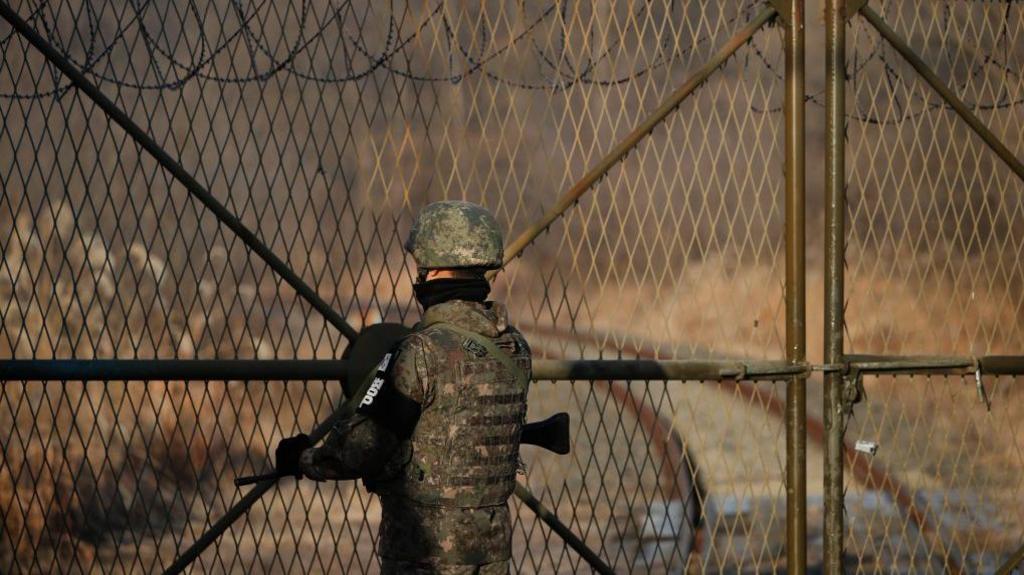
The explosions occurred on September 21 on the South side of the DMZ, a 4‑kilometre buffer zone established by the 1953 Korean War armistice. Defence Minister Kang Shin‑chul said the blasts were a clear violation of the armistice and called for North Korea to “stop fortifying its border” and to issue an apology.
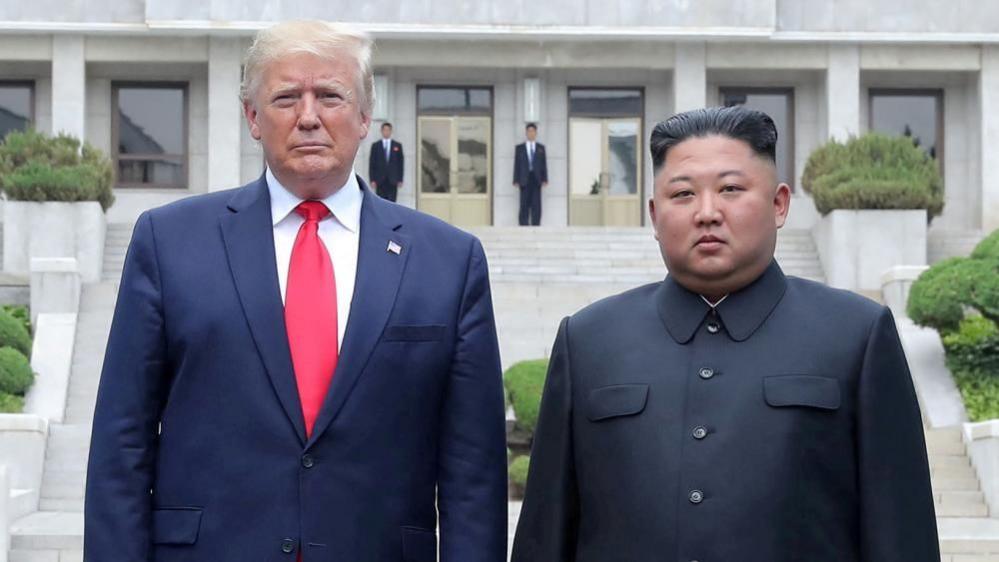
North Korea, however, rejected any responsibility. Kim Yo Jong, the sister and designated deputy to Kim Jong‑Un, criticised Seoul’s claims as a “groundless farce” and accused the South of “political provocation”. She warned that the South must prepare for the “price of its own making.”
The incident echoes the 2015 landmine attack that maimed two South Korean soldiers, an event that sharpened distrust between the two sides. Christopher Green of the Crisis Group noted that North Korea has “been wilfully attempting to harden the border” in recent years, further eroding low‑level communication.
Tensions have intensified after the latest blasts, with South Korea calling for UN involvement. The United Nations Command said it would pursue violations of the armistice through established mechanisms, reaffirming its commitment to “preserving stability and preventing escalation” on the peninsula.
The two governments have exchanged starkly divergent narratives. Seoul cites forensic evidence linking the mines to Pyongyang, while Pyongyang accuses the South of “shifting responsibility” to increase friction.
This latest clash underscores the fragile state of inter‑Korean relations and the enduring risk of accidental escalation. Analysts warn that a misunderstanding could quickly trigger a larger conflict in a region already fraught with geopolitical tensions.
As the UN monitors the situation, both regimes face mounting international pressure to de‑escalate the situation and uphold the 1953 armistice. The next steps will be watched closely by governments around the world, wary of any shift that could destabilise East Asia.