Somalia Calls Out WhatsApp Username Change as Threat to Fight Terror
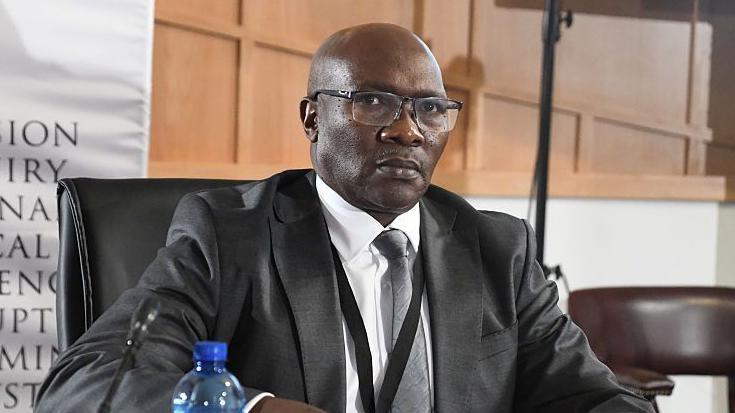
Somalia’s Communications and Technology Minister Ahmed Osman has warned that WhatsApp’s plan to introduce usernames in place of phone numbers could pose a security risk, making it harder for the government to track and counter criminal activity in a country still battling Islamist militants.
The rollout, which is expected to reach the platform’s three‑billion global users over the coming months, would allow users to remove or change their usernames at any time. While WhatsApp asserts that a phone number is still required to access the app, the feature could undermine the country’s phone‑number‑based regulatory system.
Somalia has been hit by a brutal insurgency led by the al‑Shabab group for more than twenty years. A 2024 report by the Somali intelligence agency said it had shut down 20 WhatsApp groups suspected of being operated by al‑Shabab for extortion and intimidation, and it disabled data services for about 2,500 phone numbers linked to the militants.
“Unverified and untraceable usernames” could increase the risk of financial fraud and expose citizens to scams, the minister said, pointing to the country’s heavy reliance on mobile money transactions for everyday commerce.
In a related development, India – home to more than 850 million WhatsApp users – also cautioned that the feature could drive online fraud, impersonation and other crimes, and called for a pause until the consultation met the government’s satisfaction.
WhatsApp has responded that the usernames feature provides built‑in safeguards against scams, but Somalia demands tangible evidence that hiding phone numbers will not erode digital traceability and that specific safeguards against financial fraud are in place.
The dispute highlights a broader debate on the balance between privacy and security on global social‑messaging platforms.