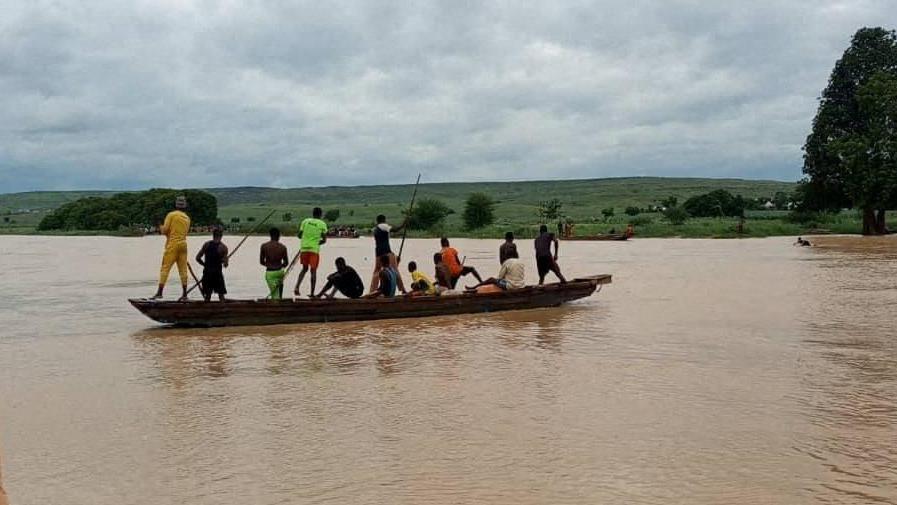
Sokoto River Tragedy: 46 Killed in Overcrowded Boat Capsize
A wooden boat carrying more than seventy passengers, mostly children, capsized on the Niger River in Sokoto state, killing at least 46 people and leaving fifteen others missing.
Police spokesperson Ahmad Rufai told reporters that bodies were found near Gorau in the Gorony area and that rescue teams are still combing the remote shoreline for survivors.
“The area is difficult to reach, so security agencies and emergency services have been dispatched,” Rufai said, noting that 16 people were recovered safely while 15 remain unaccounted for.
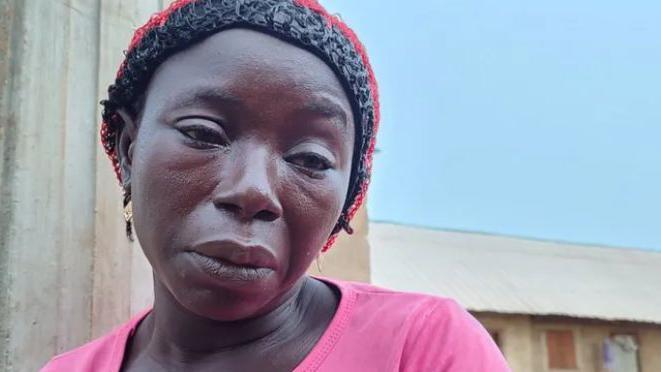
An eyewitness reported that most of those aboard were farm labourers travelling to rice fields, describing the scene as “a grief‑locked community mosque where bodies, wrapped in mats and traditional cloth, lay awaiting burial.”
Nema spokesperson Ezekiel Manzo added, “Gorau is a very remote place; the rescue team has moved to that location.”
Boat accidents, driven by overcrowding, poor maintenance and lax safety oversight, remain common in Nigeria. In January, a similar capsize in Jigawa state claimed at least 26 lives. Last month, a boat failed in Sokoto, killing 15, and in December 2024, 54 bodies were recovered after a vessel that might have carried more than 200 passengers overturned on the River Niger.
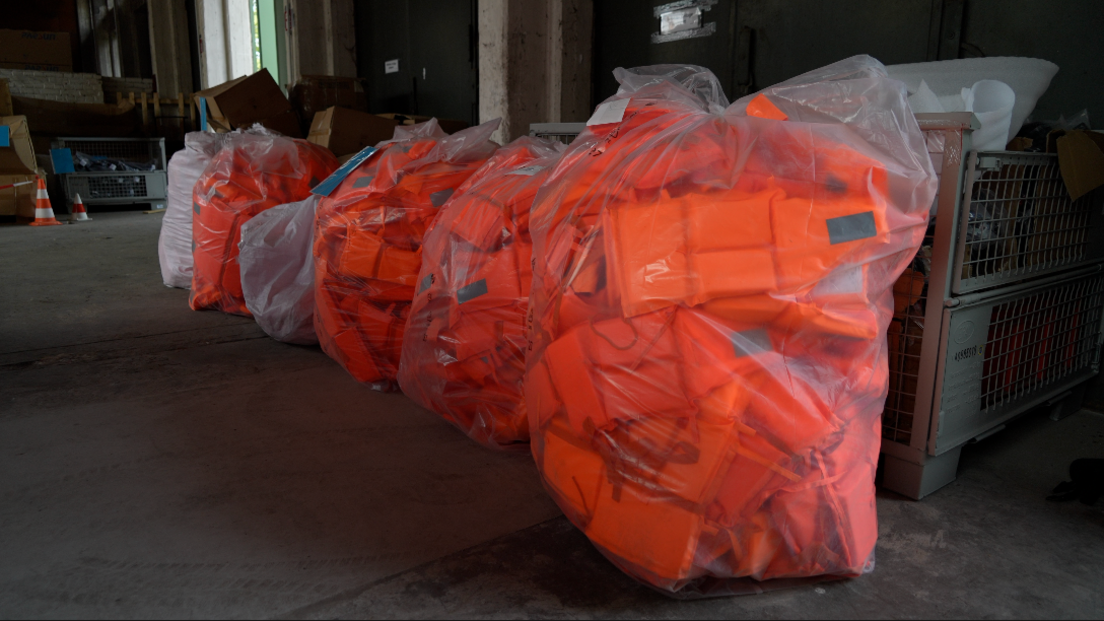
Authorities have urged stricter enforcement of safety rules, including safer vessels, mandatory life‑jackets, dredging waterways, deployment of water guards at jetties and trained, licensed operators. Yet many of these measures remain only partially implemented.
For millions of Nigerians, especially those in rural communities, rivers remain a vital transport artery. Poor roads and limited bridge infrastructure leave many villages dependent on boats, making maritime safety a critical public health issue.
By Makuochi Okafor & Ruth Comerford, West Africa Correspondent