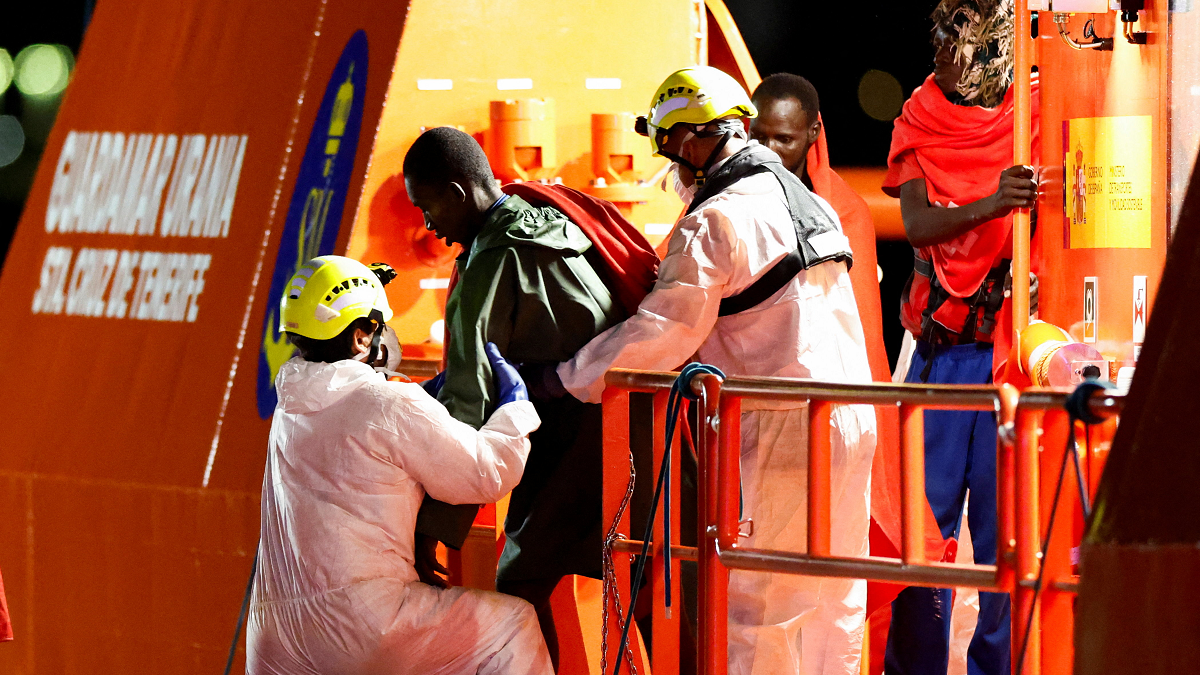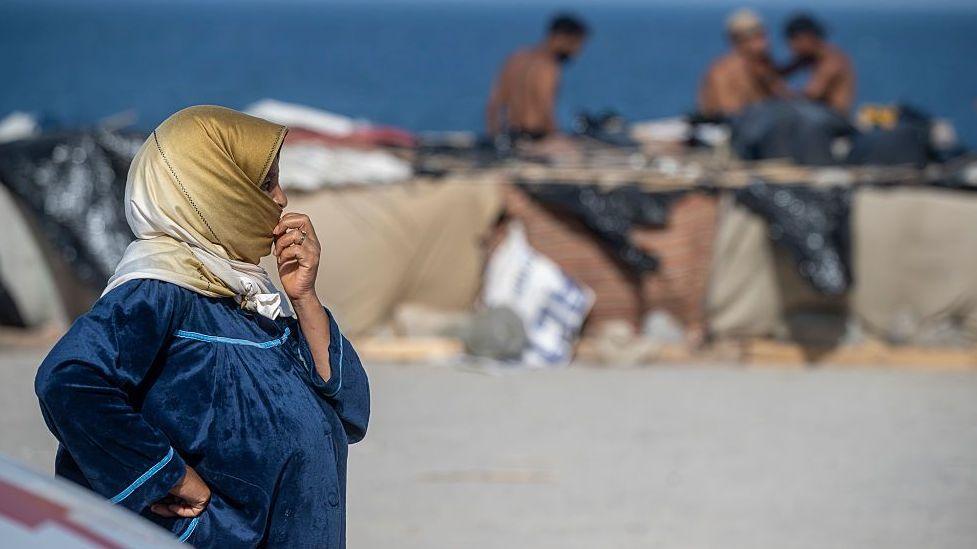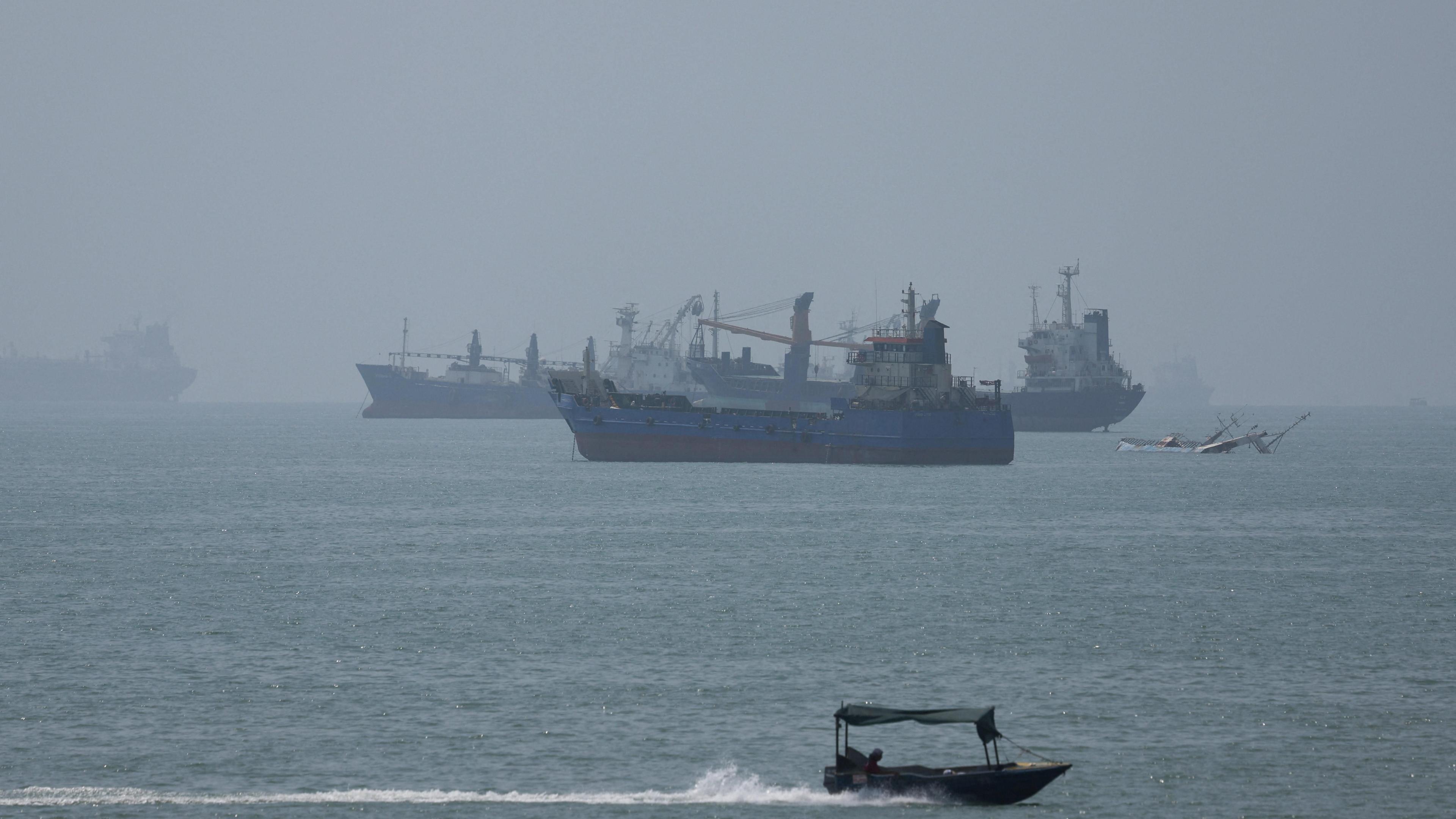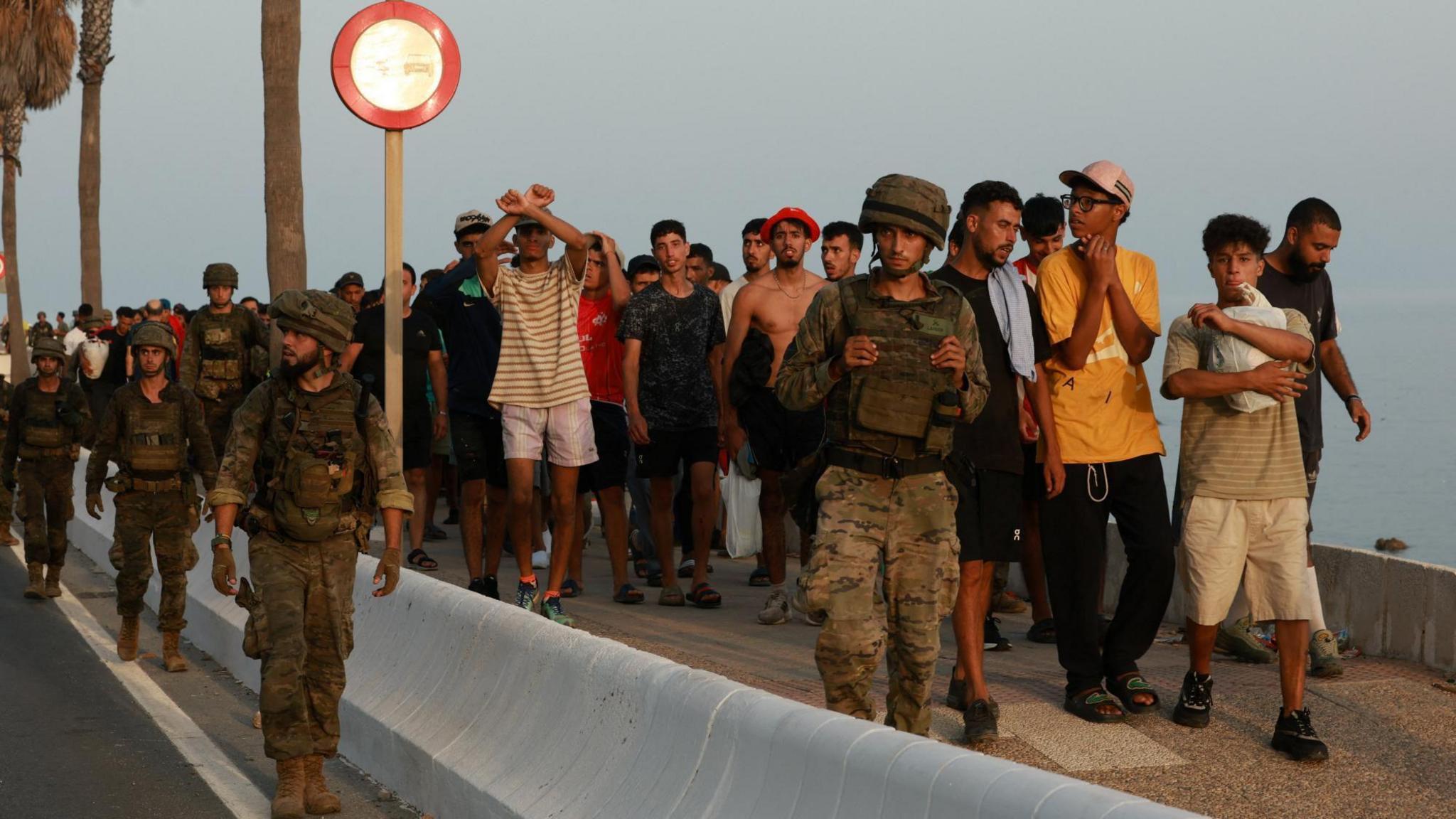
Hundreds of migrants swam into the Spanish exclave of Ceuta on Thursday, most of whom have been escorted back to Morocco by Spanish soldiers and police following a sudden surge of arrivals. The episode has left at least 67 people dead, with bodies found floating in the sea alongside abandoned rubber rings and flippers.
The incident has exposed European divisions over migration and has been amplified by viral social‑media posts promising an easy path into Europe, sparking a political storm across the continent.
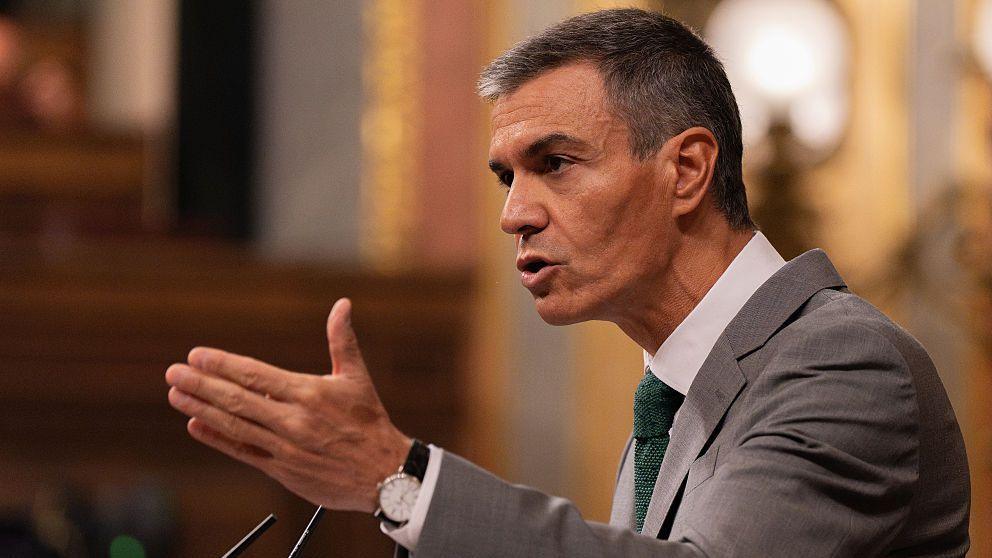
Spanish Prime Minister Pedro Sanchez has publicly criticized other European leaders for attacking Spain over the crisis, particularly the Italian right‑wing party Fratelli d’Italia. Meloni, in response, suspended Italy’s Schengen agreement with Spain citing security concerns.
Spain maintains that the crisis was contained and that migrants were not entering the Schengen zone. Sanchez referenced a recent Supreme Court ruling that migrants entering by sea cannot be immediately turned away, claiming smugglers misrepresented the situation.
Despite the influx, most migrants were locals from Morocco and did not seek work permits, as the route to Ceuta is well known. Social‑media accounts showing youths in wetsuits, flippers, and footage of the beach undertook trips that were promoted by online promises of entry, but many were met with no support, leading to reversal to Morocco.
The event has propelled calls in the EU for tightening border controls. Spain extends a sea‑based barrier to deter future swimmers, outfitted with orange buoys and patrolled by ships.
The incident has called into question the potential role of political actors in stoking migration flows, with concerns that right‑wing politicians may be exploiting the event. While no definitive accusations have been made, the episode underscores ongoing tensions between EU nations regarding migration policy.