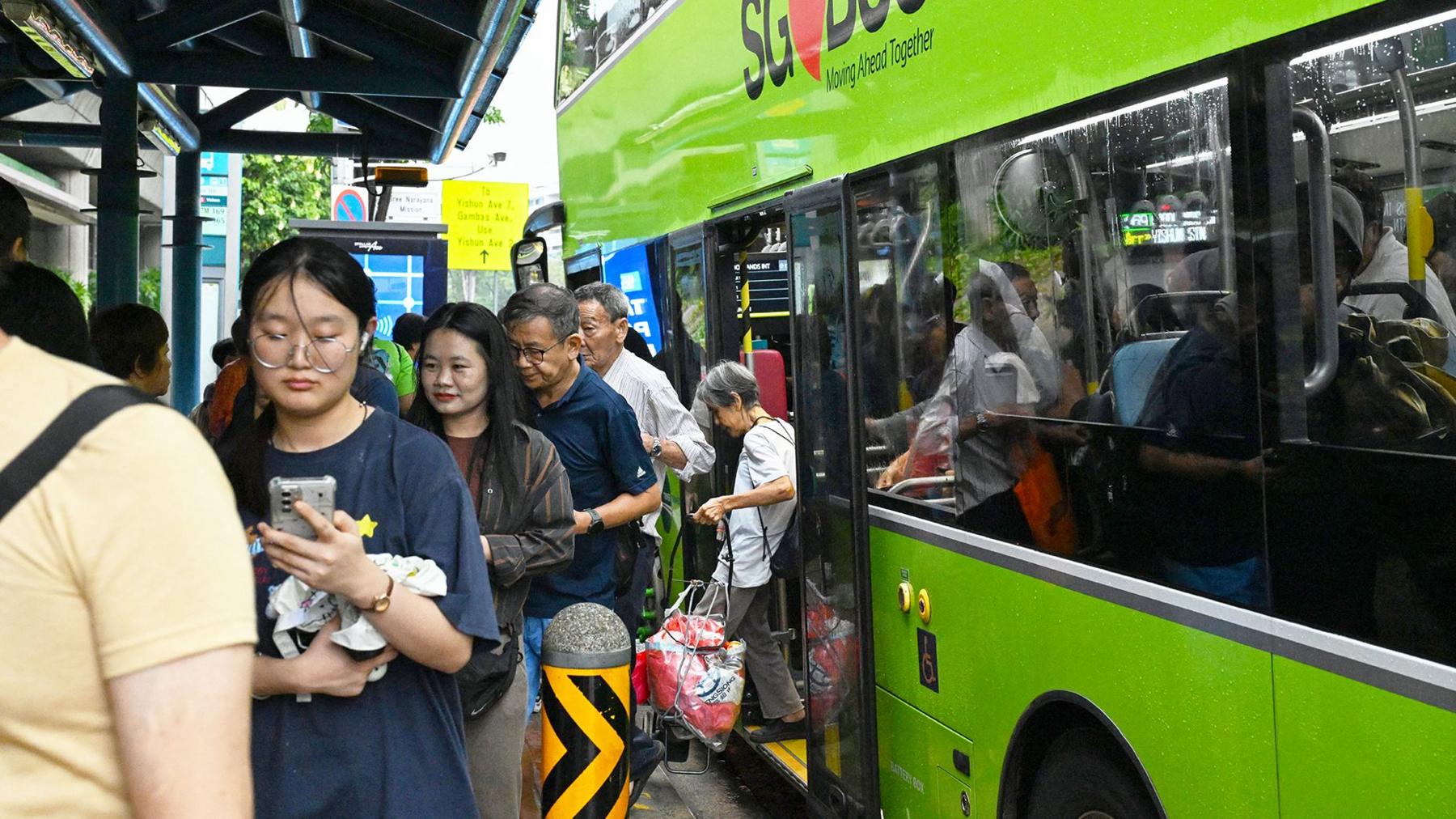
Singapore’s Land Transport Authority (LTA) set out new guidelines yesterday, tightening rules on bus behaviour to strengthen a clean and respectful commuting culture. Minor infractions—such as playing loud music, eating, drinking or littering—carry a penalty of up to $500 (≈ $391 or £293). Minor offences that involve using a scooter or generally disturbing the kiosk floor will also be fined.
For more serious cases that cause obstruction, danger or that involve the soiling of a bus, bus-terminal or any public facility, commuters can face a fine reaching $5,000 (≈ $3,892 or £2,933). These penalties come with an immediate notice issued by authorised bus staff, including ticket inspectors and interchange personnel.
Unlike the MRT, where fines were typically enforced against commuters who ate or drank, bus regulations have historically been enforced by drivers. The new legislation formalises the process, ensuring that accused passengers receive a written notice instead of discretionary calls to alight.
While bus captains retain authority to direct passengers to cease disruptive behaviour, they cannot legally enforce fines. They can, however, ask them to leave the bus or, in extreme cases, describe a danger resulting in police involvement.
Singapore is following a global pattern. Across Europe and the UK, similar rules have been introduced; e.g. Poland’s Kraków imposes a €52 penalty for audible disturbances while the UK penalises loud sound‑producing equipment on public transport.
The policy was tailored to adapt to an increasingly busy and cosmopolitan public transit network, seeking to protect passengers from the impact of disruptive behaviours while maintaining a smooth flow of commuters.
"Public transport is a shared space, and every commuter has a part to play in ensuring a gracious and pleasant commute," according to an LTA spokesperson. The new fines aim to reinforce that ethos and set a standard for future behaviour of passengers on Singapore’s buses and other transit modes.