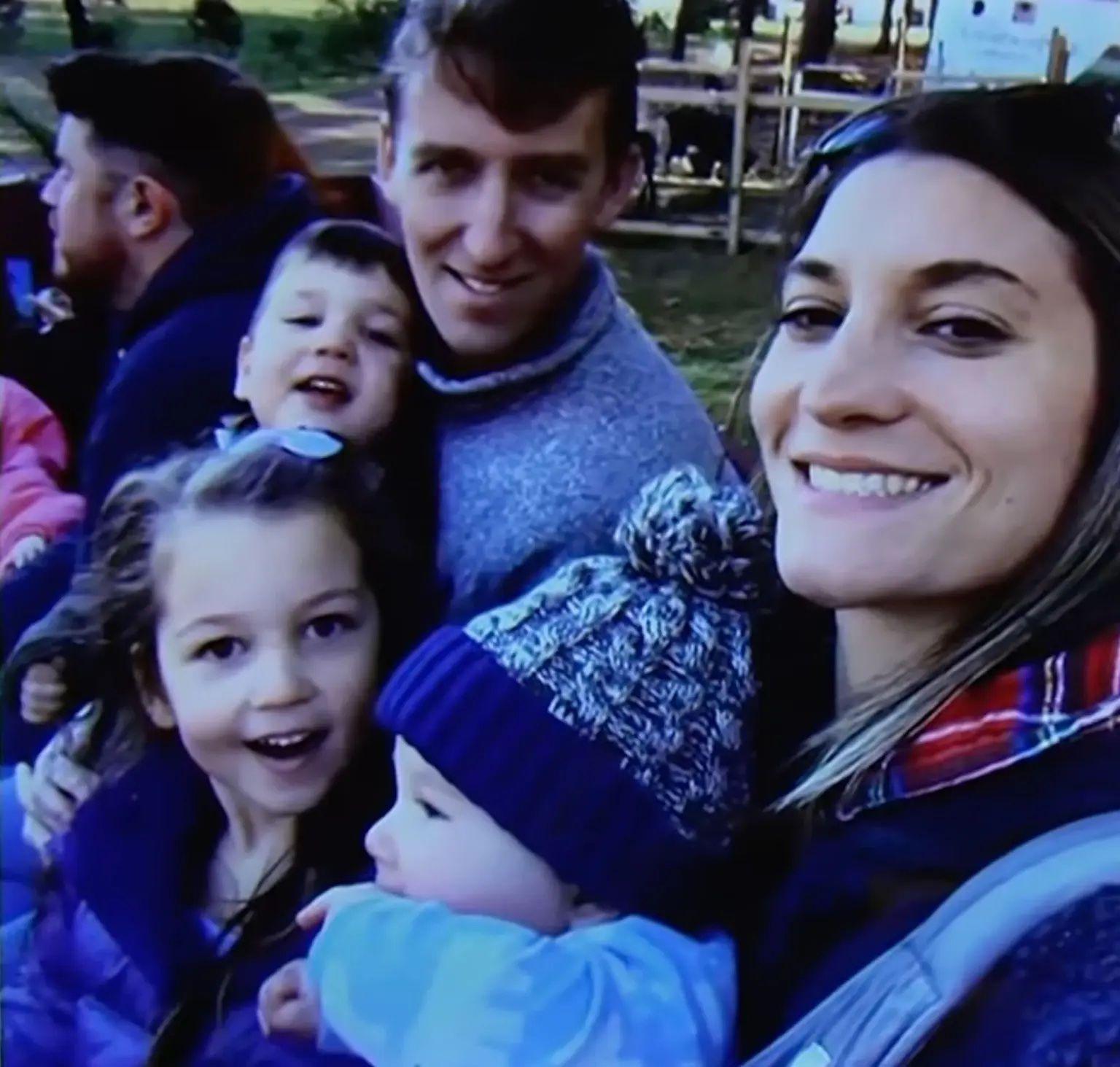
When David and Ally first saw Marcus on a video call, they swore it was love at first sight. The toddler, born in Indonesia, soon became the centre of a dream they thought would finally bring them a family anchor after years of hope and heartbreak.
The couple’s adoption journey—an expensive process that involved hiring a private agency and paying tens of thousands of dollars for legal paperwork—ended when Marcus arrived in Singapore. They described the moment as "nervous, scared, but happy," and the government’s immigration officials approved his citizenship with a promise of a smooth transition into a Singaporean life.
Trafficking Allegations Surface
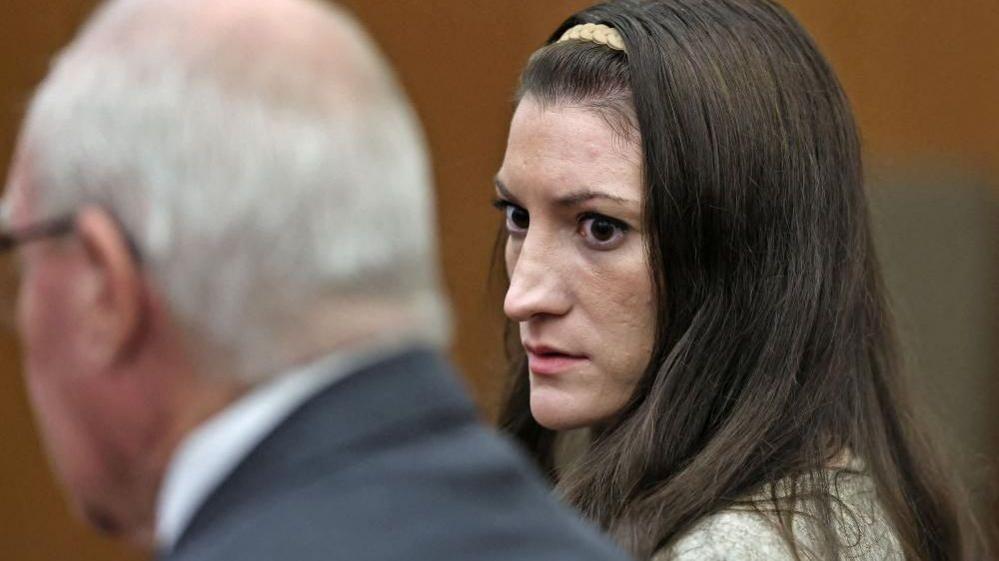
Months later, a sudden suspension of Marcus’s citizenship application sent the family into a state of panic. Singaporean immigration authorities warned that the baby could have been trafficked from Indonesia, signalling a potential legal crisis. This claim ties Marcus to a larger court case in West Java, where 19 people, including a woman named Lie Siu Luan, faced charges of illegally purchasing babies and forging adoption documents to export them to Singapore.
Under Indonesian law, trafficking is defined by the act of paying for and transporting a person for exploitation. Prosecutors allege that the ring bypassed the country’s strict transnational adoption protocols, forging documents and even claiming fictitious mothers for the babies.
Royal Stance and Overlooked Checks
Singapore’s Ministry of Home Affairs and the Ministry of Social and Family Development withheld detailed comments, describing a collaborative effort with Indonesian counterparts. The authorities praised the role of adoptive parents who followed every legal step, but criticised agencies for insufficient verification of the children’s origins. Meanwhile, the Indonesian Commission for Child Protection has called for stronger safeguards such as “baby boxes” to keep unwanted children safe until parents can provide proper care.
Family’s Fight to Keep Marcus
David and Ally, who stayed in Singapore year after year for the baby’s care, say they had no knowledge of any trafficking. They highlight the thorough checks the government performed and the lack of evidence of foul play from the adopter’s side. The couple vows to pursue every legal avenue to keep Marcus, even if that means re‑adopting him from Indonesia.
The Broader Crisis
Reports indicate that the number of trafficked children rising from 27 to 70 between 2021 and 2024 is only a fraction of the true count. Interventions are hampered by poverty, cultural attitudes towards child–exportation and a lax enforcement environment. Activists argue that the root cause is the lack of safe, legal avenues for parents to surrender unwanted babies.
What Happens Next?
The timeline for a decision on Marcus’s fate, and that of other similar babies, hinges on the West Java trial. Indonesian authorities promise to prioritize the child’s best interests, but the process could see these children returned to their biological families, despite years of care in Singapore.
Both governments remain silent on the specific trajectory for the babies, leaving the families and the public in an unsettling limbo. The case, while extreme, underscores a growing problem in the region’s transnational child‑adoption market.