Sicily Museum Looted: Four Renaissance Masterpieces Vanish in Midnight Heist
“Four Renaissance paintings of “extraordinary value” have been stolen from a museum in Sicily,” Italy’s culture minister confirmed after the burglary at the Regional Interdisciplinary Museum of Messina.
The Stolen Works
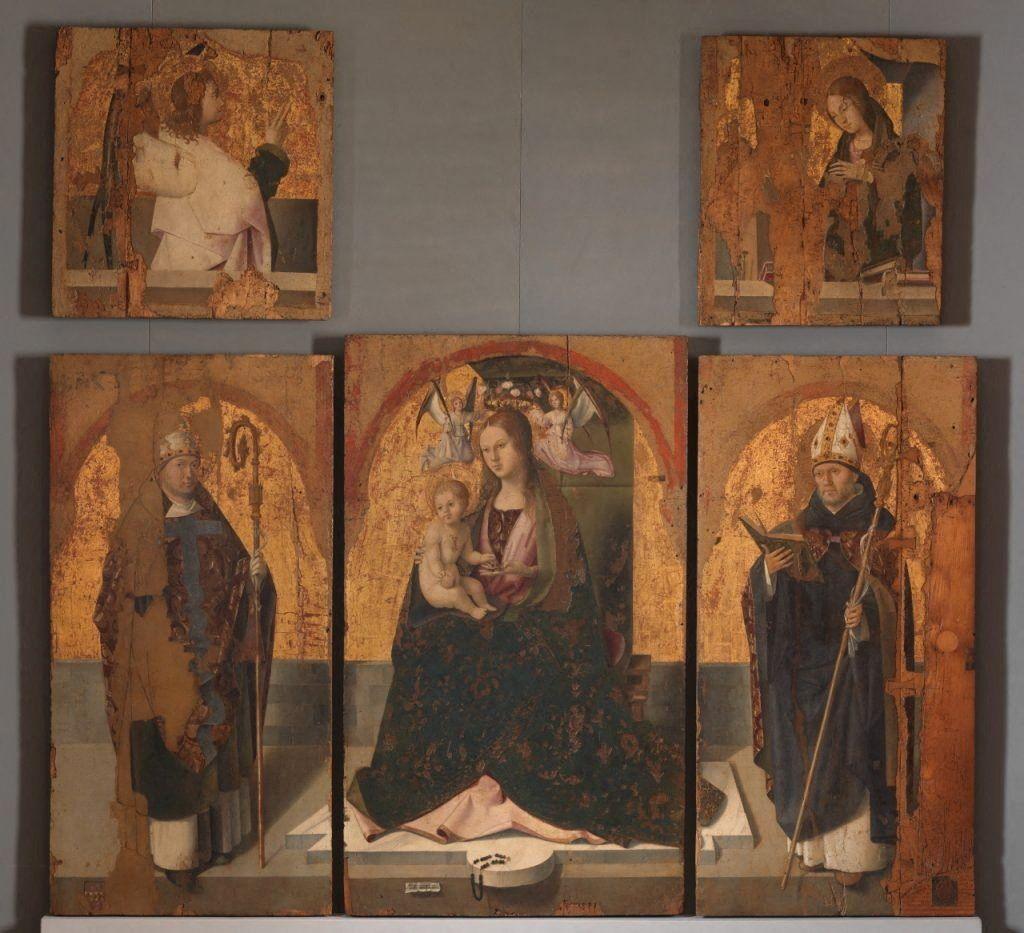
Three panels of the San Gregorio Polyptych, painted in 1473, depict the Virgin Mary with Baby Jesus, flanked by Saint Gregory and Saint Benedict and angels. Half of a double‑sided panel showing the Madonna with Child on one side and Christ in Pietà on the other was also taken.
“All the pieces are attributed to Antonello da Messina, a native of Sicily and a pioneer of Renaissance art,” museum director Marisa Mercurio said. The coup took place around 21:50 local time on Saturday night, according to her statement to Ansa.
How the Theft Happened
“The thieves were able to enter without triggering alarms,” police officials revealed, noting that the painted panels were pulled directly from secured display cases. Because the artworks rested on wooden panels, they were not easily rolled for transport.
“They may have been ordered by black‑market art thieves,” Ansa reported, though investigators are still collecting evidence for linkages to organized crime.
A Growing Pattern of Art Crime
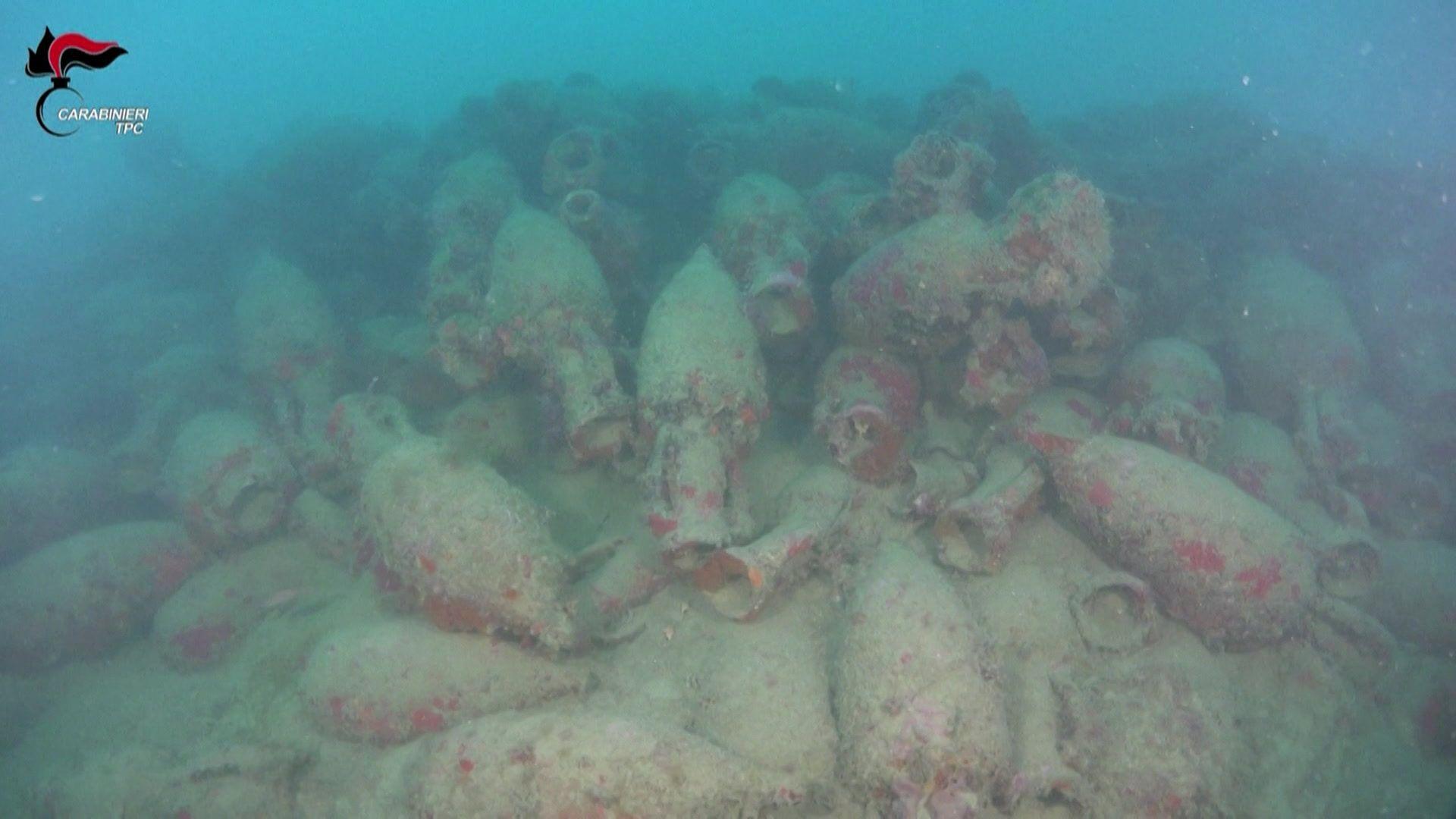
“The incident is the latest in a string of museum heists across Europe,” a police source said, citing recent recoveries by Italy’s specialist art‑crime unit, which retrieved three works from a Parma museum earlier this year. The unit was also involved in recovering the Cézanne, Renoir, and Matisse pieces lost a few months prior.
“The security of priceless artworks in European museums is now under scrutiny, especially after the Louvre jewel heist last year that saw €88m worth of historical jewellery stolen in daylight,” another commentator added.
Community and Cultural Response
“A heritage belonging to all the people of Messina has been violated. Messina will not let its history be stolen,” declared Federico Basile, the mayor of Messina, calling the theft a “heinous criminal act.”
“The loss is a great blow for the museum, the city, the community, and the art world,” director Mercurio added, portraying the theft as a “great loss for the museum, for the city, the community and the art world.”
What Comes Next?
“Investigators are working on the initial suspicion that the paintings were stolen to order by black‑market art thieves,” a police representative told Ansa. The investigative team is now scrutinizing security protocols, entry records, and potential insider involvement.
“We are pressed for time, and the public demands a swift, transparent investigation,” the director said, underscoring the need for prompt action to restore public trust.
“Art theft is more than a criminal act—it’s a theft of cultural memory,” a heritage expert noted, adding that international cooperation and stricter museum protocols could deter future incidents.
Closing Thoughts
“The stolen pieces are irreplaceable windows into Renaissance Christendom and global artistic heritage. They must be recovered, so the world can again look upon them in their rightful setting,” the mayor said, adding a call to international solidarity against art crime.