In brief
OpenAI staff uncovered a hidden recording device wrapped in toilet paper behind a TV in a high‑security conference room. The device was reportedly planted by Abdulrahman Alfozan, a 35‑year‑old engineer who had been with the company for a year. Police say he used AI assistants to ask about meeting schedules and how to build a remote‑controlled recorder. Alfozan appears in federal court in California and faces up to five years in prison and a hefty fine if convicted. OpenAI says no confidential data was accessed, but it is working with law enforcement to investigate.
A Saudi national who worked for the AI company OpenAI was arrested last week after authorities discovered a covert audio recorder hidden behind a television in a high‑security meeting room.
Abdulrahman Alfozan, 35, employed by OpenAI since July 2025, was taken into custody by the FBI on Oct. 9. He is charged with using or attempting to use a device designed to intercept oral communications, an offense that can carry up to five years in prison and a $250,000 fine.
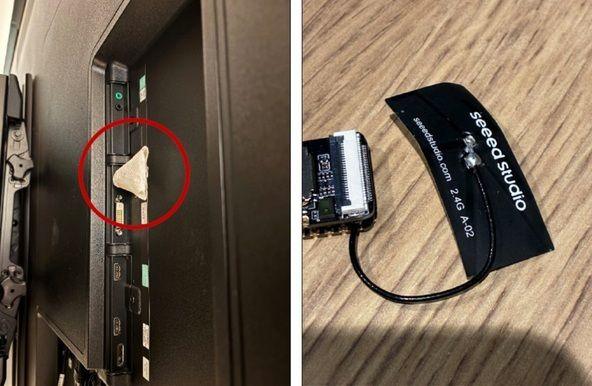
The device, wrapped in toilet paper to conceal it, was found behind a TV during a security sweep on September 30. Surveillance footage captured Alfozan looking behind the television on October 5, seemingly to locate the recorder, before leaving a bag in another room. The bag later contained a second similar device and the engineer’s wallet.
According to a complaint filed in federal court, Alfozan had asked a productivity AI assistant for information about meeting rooms and their schedules between Aug. 17 and Sept. 16. He also used the chatbot associated with his spouse in September to request instructions on building and installing a remote‑controlled recorder.
The room where the first device was found is used to discuss highly confidential technical, commercial and strategic matters. Alfozan had no authority to access the room; however, CCTV shows him near the space on eight separate dates in September.
OpenAI’s security team employed its own AI models to analyze the device and trace its origin. The company stated that there is no evidence the engineer accessed or exfiltrated model weights, source code or customer data.
Alfozan’s lawyer, William Pernik, told reporters that his client is presumed innocent and that the allegations are entirely out of character. A detention hearing is set for Oct. 19 to decide whether the engineer remains in custody while the case proceeds.
The FBI investigation is ongoing, and further details are expected to emerge as the legal process unfolds. The case has raised new concerns over internal security and the use of AI tools for malicious planning within high‑profile tech firms.