Ryanair Emergency: Passenger Nearly Sucked Out of Window Mid‑Flight
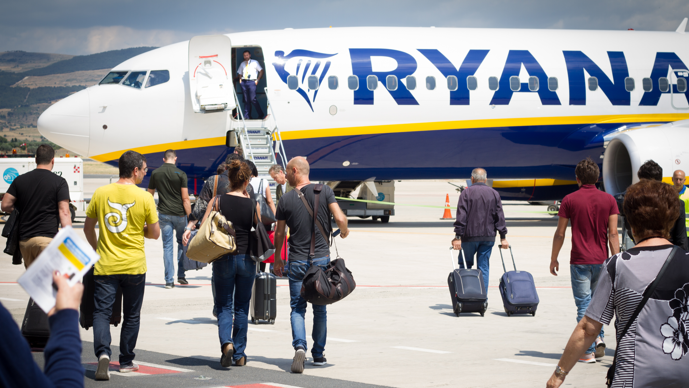
On a Friday morning, a Ryanair aircraft departing from Thessaloniki for Memmingen was forced to turn back just ten minutes into flight after a protruding seat‑belt‑boxed window burst outward.
Flight‑data recordings show the jet, roughly eighteen years old, plummeted from about 9,000 feet (2,700 meters) following a sudden engine‑related blow‑back. Passengers reported an “explosion” and the rapid loss of cabin pressure, a moment that shook “the entire cabin.”
One 61‑year‑old Serbian male was separated from his seat, his head and shoulders hanging from the open window while crew and fellow passengers grabbed him to prevent a more fatal outcome. He received treatment at a local Greek hospital for friction burns and abrasion injuries.
Ryanair confirmed that the jet returned shortly after take‑off, landed safely, and the remaining passengers cleared the airport. The airline said a replacement aircraft was arranged to ferry the stranded crew and travelers to Memmingen a few hours later.
Greek authorities and the Hellenic Air and Rail Safety Investigation Authority have opened an investigation. Fraport Greece, the operator of Thessaloniki Airport, stated it was fully cooperating with investigators and that emergency protocols were executed immediately on the ground.
Industry experts stress that seat‑belt usage remains critical even when the “fasten seat belt” sign is turned off. Retired pilot Chris Brady warned: “The safety of an unbelted passenger can never be assumed, especially when a window or a structural element fails.”
The incident follows a 2018 Southwest Airlines flight in the United States where a passenger partially died after a damaged engine blew out a window. Aviation authorities worldwide are reviewing design tolerances for inter‑window faces and the impact of neutron‑rich engine debris.
Passengers who experienced the event are encouraged to share their stories with the airline and regulatory bodies. Monitoring and transparency are vital to prevent future tragedies in the skies.