In brief
A recent report from the World Meteorological Organization has concluded that the last ten years are the hottest ever recorded, with 2024 being the most extreme year. The report emphasizes ongoing climate change and its disastrous effects on global weather patterns.
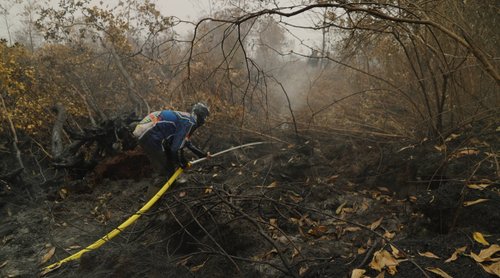
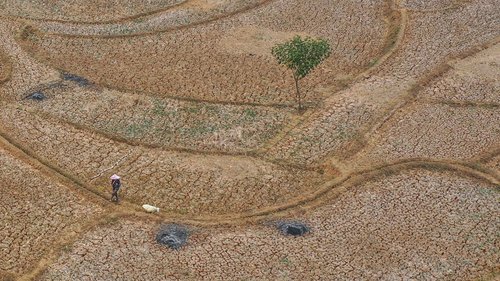
In a groundbreaking report released by the World Meteorological Organization (WMO), it has been confirmed that 2024 has surpassed all previous years in temperature, marking a troubling milestone in the context of climate change. The last decade has now been officially recognized as the hottest ten-year span in nearly 200 years of recorded weather history.Chris Hewitt, director of the WMO's climate services division, emphasized the unprecedented nature of this record. "That’s never happened before," he remarked, asserting the significance of having the ten hottest years all confined within the same decade. According to the WMO, 2024 is noted as the warmest year thus far, exceeding temperatures recorded in 2023 by a substantial margin. This year's average temperature was approximately 1.55 degrees Celsius above the baseline established during the preindustrial era, specifically between 1850 and 1900.The findings encapsulated in the annual report reveal not just alarming temperature increases but also underline the extreme weather phenomena fueled by these changes. Climate-related disasters including floods, droughts, and wildfires have become rampant, leading to the displacement of numerous communities worldwide.The report points to a continuous increase in greenhouse gas emissions attributed to fossil fuel usage. Alarmingly, the concentration of carbon dioxide in 2024 reached levels that haven't been observed in over two million years, further illustrating the severity of the current climate crisis. This increasing energy in the atmosphere and oceans is a critical factor contributing to the rising incidence of extreme weather events globally.As the world grapples with these climatic changes, the WMO's findings reinforce the urgent need for collective action to mitigate the impacts of global warming.