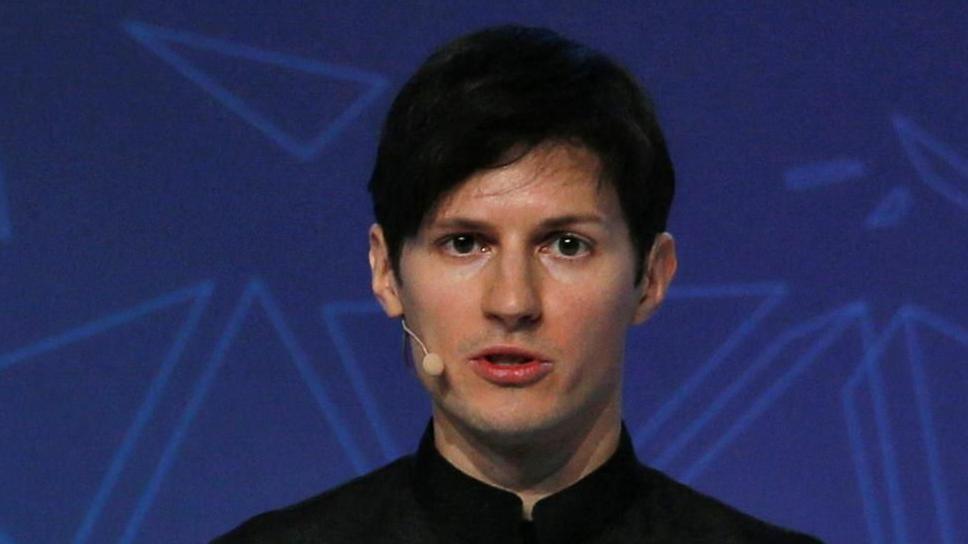
Russia’s Federal Security Service (FSB) has charged Pavel Durov, the visionary behind the messaging app Telegram, with facilitating terrorism.
The indictment alleges that Telegram has been used as a tool for recruiting and coordinating sabotage and terror acts against the Russian state, particularly by Ukrainian intelligence agencies.
According to the FSB, the platform failed to remove channels, chats, and bots that promoted extremist content, allowing organised acts of sabotage to be planned and executed from within Russia.
An international arrest warrant has been issued for Durov, who currently resides abroad. The warrant is a measure taken by Russian authorities, but whether foreign states will comply remains uncertain.
In public reaction, Telegram’s official X (formerly Twitter) account shared an image of Durov holding up his middle finger, a gesture that has become part of his anti‑authoritarian persona.
Despite facing growing scrutiny, Durov’s platform remains widely used in Russia, where numerous activists rely on the app’s encrypted chats to evade surveillance. Meanwhile, the platform enjoys a large following in Ukraine, reflecting its cross‑border appeal.
Durov’s life story is a mix of entrepreneurial triumph and heightened political risk: born in Russia, he founded VKontakte (the “Russian Facebook”) before leaving Russia in 2014 to avoid state pressure to shut down dissenting communities. With French and United Arab Emirates citizenships, he has been living outside Russia for years.
Telegram’s global user count stands at approximately 950 million. Since its launch, the app has consistently positioned itself as a “privacy‑first” platform, contrasting with many mainstream social media services that profit from personal data mining.
However, the messaging giant has faced criticism over content moderation. While Durov and Telegram’s team deny shortcomings, the app’s automated filters and reporting mechanisms are often scrutinised by users and regulators.
In 2024, French authorities investigated Durov for allegedly failing to moderate criminal content on Telegram. Although he was released after several months in custody, the probe continued, highlighting ongoing concerns about the platform’s role as a potential conduit for wrongdoing.