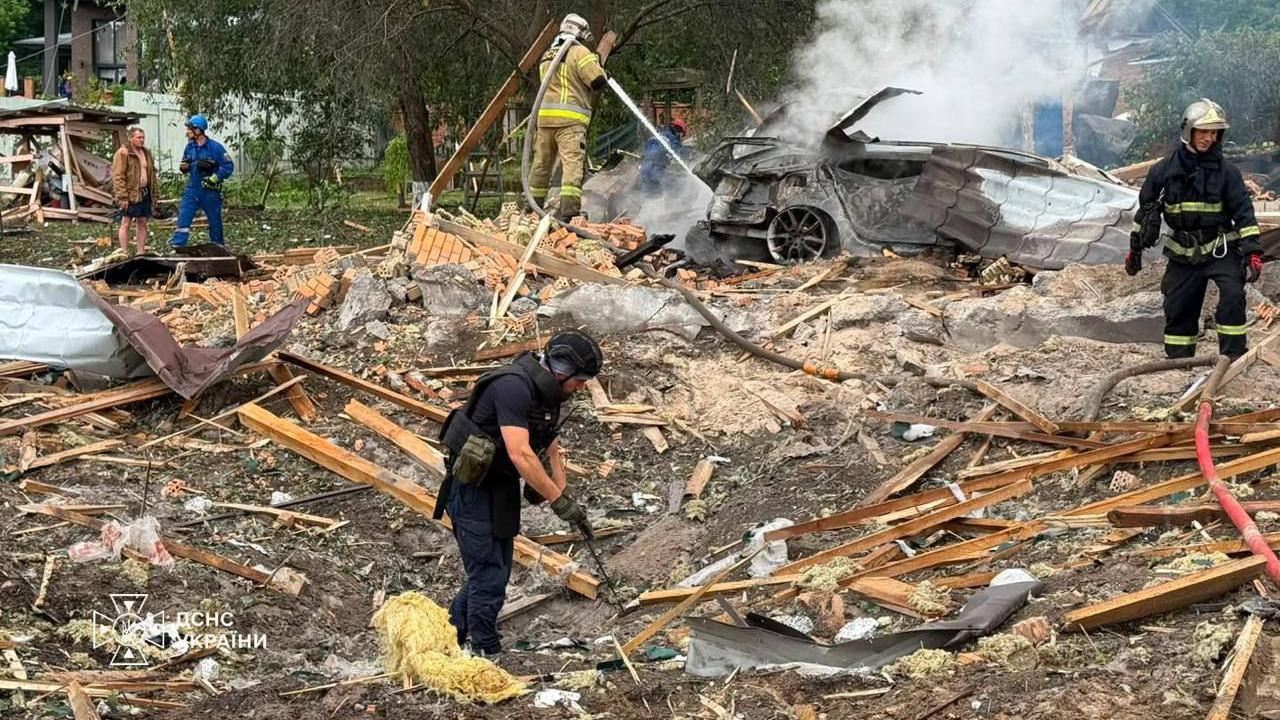
Russia’s daily dispatch of jet‑powered Geran drones marks a new chapter in the aerial conflict over Ukraine, according to an analysis by BBC Verify. The data shows that Moscow’s upgraded drones were fired at a steady pace through August, surpassing the older, slower models in five of that month’s nightly attacks.
Ukraine’s military NATO‑partner data reported 350 Geran missions in June, rising to 1,600 in July and 2,800 by August. When divers in the air defence sector speak of speed, they quote the 300 mph burst enabled by turbojet engines – a rate that smashes the interception speed of most Kyiv fighters.
"The feature of these jets is that they are much faster than previous generations, making Ukraine’s entities that operates increasingly difficult," noted Dr Marina Miron, an expert on military technology at King’s College London.
With the new speed, the drones have become, in Washington eyes, a "poor man’s cruise missile," John Hardie of the Foundation for Defense of Democracies told analysts. The shift has sharpened Ukraine’s urgency: Maj‑Gen Vadym Skibitskyi urged for interceptor missiles that can match jet‑drone velocity.
Ukraine’s defence minister, Yevhenii Khmara, has therefore ordered rapid construction of a new anti‑drone missile line, with production plans to deliver thousands of systems as soon as possible.
Meanwhile, satellite imagery points to an expanding launch base in Russia’s Oryol region. The Tsymbulova facility now houses multiple launch rails specific to jet‑propelled drones, a move not highlighted in Ukrainian air‑force logs until September 2024. Analysts say the base sits roughly 175 km from the border, a critical launch point to support Moscow’s evolving day‑long strike strategy.

Military strategists now worry that the push toward combined drone‑missile attacks could cripple existing Soviet‑era air‑defence systems. According to Michael Bohnert of RAND, the integration “raises the complexity of operations” and reduces interception rates as Ukraine faces a global shortage in high‑speed air‑defence radar.
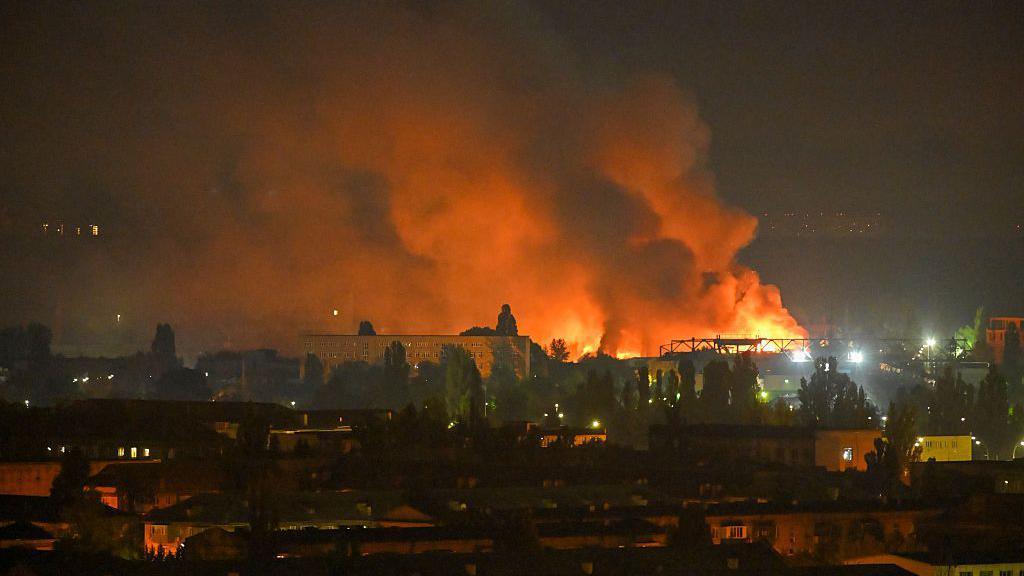
As the war drags on, the daily soundtrack of metal over the city has become a grim reminder of the technology arms race at the heart of the conflict. Kyiv’s future air‑defence capacity will likely depend on the success of its new missile trials and the ability to track and neutralise the fast Za‑me forms that Russia now proudly deploys from its new launch sites.