In brief
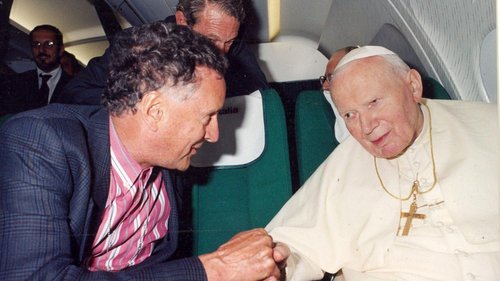
Pope Francis, who died at 88, navigated varying expectations from liberal and conservative factions within the Church but ultimately prioritized dialogue over sweeping reforms.
In Vatican City, reflections continue on Pope Francis’s unconventional papacy, which has left a complicated legacy of hopes unfulfilled and gradual progress. When he gathered bishops in 2019 to address the potential for married priests in remote South America, many anticipated a significant shift in Catholic doctrine. However, despite the bishops' recommendations and his own inclination for bottom-up reform, Francis decided against altering the celibate priesthood, a practice that has endured for a millennium.This moment epitomized the pressures Francis faced, representing the soaring hopes of his followers alongside the reality of a conservative institution. Many liberal Catholics nurtured dreams of radical changes, including the ordination of women and an acceptance of same-sex unions, while some conservatives feared he may jeopardize traditional church teachings. Ultimately, Francis never significantly altered doctrine, preferring to engage in dialogue rather than entrenchment in divisive battles.As the Church reflects on his tenure, many will ponder what lies ahead. With the passing of a pope who embraced discussion and debate, questions arise about his successors and the potential for further evolution within the Church as it grapples with contemporary social issues.