In brief
In the wake of the M23 militia's takeover of Goma, local citizens are grappling with scarcity of essential resources amidst widespread chaos.
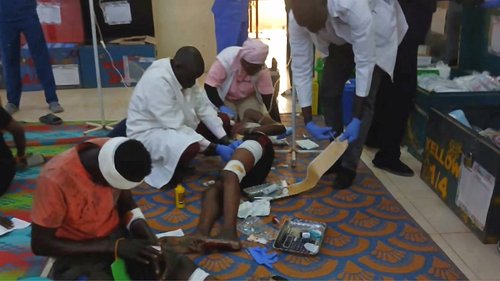
After a week of relentless combat, the city of Goma, with its population of two million, has succumbed to forces supported by Rwanda, marking a severe escalation in the ongoing conflict in the eastern Democratic Republic of Congo. This takeover has left hospitals overwhelmed with casualties and caused widespread panic among residents, many of whom are now venturing out from hiding to seek food and water.The situation is dire; the Congolese military, whose primary duty was to protect these citizens, has been defeated. On a recent Thursday, videos revealed M23 fighters loading captured soldiers into trucks with a mix of fury and bewilderment. Clad in the uniforms they were captured in, these soldiers expressed their anger not at the M23 combatants, but at their leader, President Felix Tshisekedi. They voiced accusations of betrayal, claiming their commanders abandoned them in the chaos of the assault.Eyewitness accounts from the battlefield highlight a growing sense of frustration among the Congolese soldiers. Many were left to fend for themselves, alongside local militia groups known as the Wazalendo, after their leaders and government officials fled under the cover of darkness. As tension mounts, anger towards the Congolese administration is palpable; threats against Tshisekedi were articulated openly by the captured soldiers, illustrating the potential for further unrest and retaliation.The humanitarian implications of this takeover are profound, with Goma’s infrastructure collapsing rapidly under the strain of violence and instability. As vital supplies dwindle, international observers and human rights organizations are calling for urgent action to prevent a full-blown humanitarian disaster in the region. The precarious situation in Goma serves as a stark reminder of the complexities and dangers present in the heart of Africa, where political failure and armed conflict collide with the needs and rights of everyday citizens.