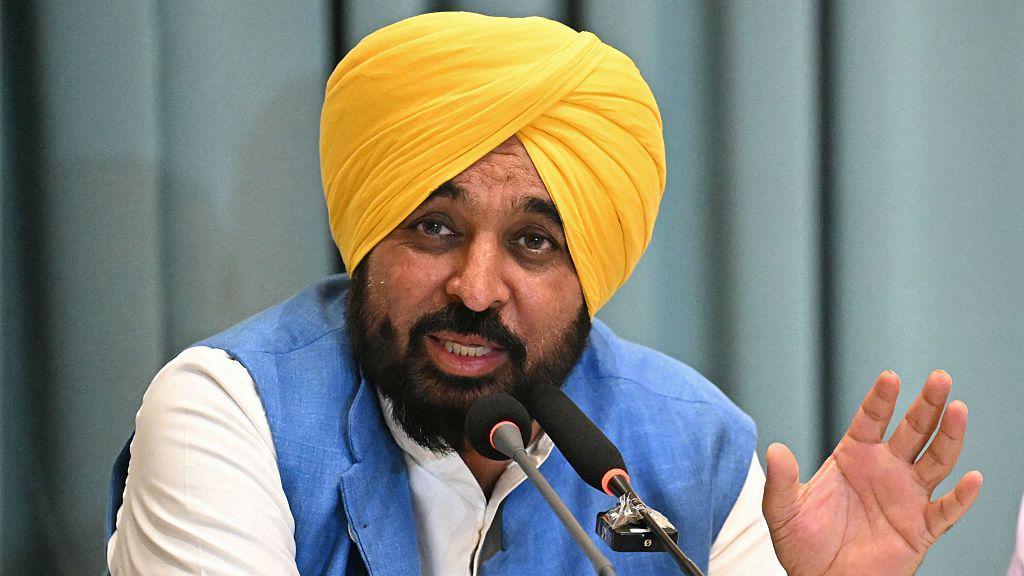
Punjab’s new anti‑sacrilege law has become a flashpoint for religious and political tensions across the Sikh majority state.
The bill, passed by the Aam Aadmi Party (AAP) legislature in April, criminalizes deliberate desecration, damage, theft, burning, or insulting speech against the Guru Granth Sahib – the holy scripture and living Guru of Sikhism. The offence is now cognisable and non‑bailable, carrying up to twenty years in prison and fines of up to one million rupees.
Beyond harsher punishment, the legislation introduces new rules for registering, custodial duties, and “unique identification numbers” for physical copies of the scripture. These administrative provisions are at the heart of the uproar. The Akal Takht – the supreme Sikh spiritual authority – has objected that they encroach on matters that should be decided by religious institutions.
Before the bill was introduced, the AAP government reopened investigations into a series of 2015 sacrilege incidents that had led to protests and two deaths. “Justice for the victims” was the government’s rhetoric during the 2022 Punjab assembly elections, after which it re‑examined the old 2008 law and amended it to include tougher penalties.
The Akal Takht’s objection began on 8 May when it summoned Punjab Assembly speaker Kultar Singh Sandhwan. The Takht demanded the state had omitted consultation, summoning Sikh ministers from across parties to explain their votes. When the speaker defended the law, the Takht called the delay “serious negligence” and urged an amendment within a month.
The controversy has also become a political tool. All three main opposition parties – the Congress, the Shiromani Akali Dal, and the Bharatiya Janata Party – have accused the AAP government of rushing the law through Parliament. The debate comes as Punjab heads toward next year’s state elections, adding pressure on Chief Minister Bhagwant Mann, who is facing another controversy over a viral video that critics say shows him desecrating Sikh images.
Mann has maintained the bill will not be withdrawn, but has signaled that the government is open to considering the Akal Takht’s suggestions before finalizing the law.