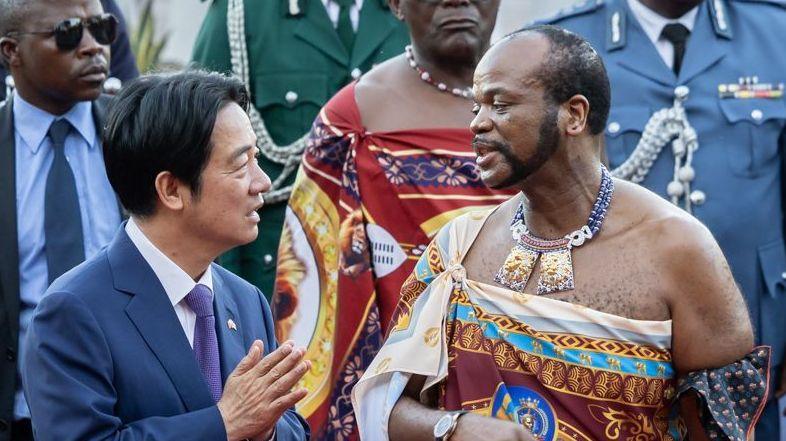
During the nightly hours of Aug. 5, President William Lai was whisked away in a helicopter from the presidential palace as part of Taiwan’s Han Kuang 2026 military exercises. The operation was carried out at 1:13 a.m., a time chosen to mimic the shock of a sudden attack.
Why the Midnight Escalation?
The drill is designed to challenge Taiwan’s emergency preparedness. By evacuating the chief executive hostage‑briefly, the exercise forces security forces, intelligence agencies and civilian authorities to coordinate in real time—essentially treating a surprise assault as if it were an actual Chinese invasion. The timing also ensures the scenario’s realism; in a real conflict the first contacts might come at night when combatants are off guard.
Context of the Exercise
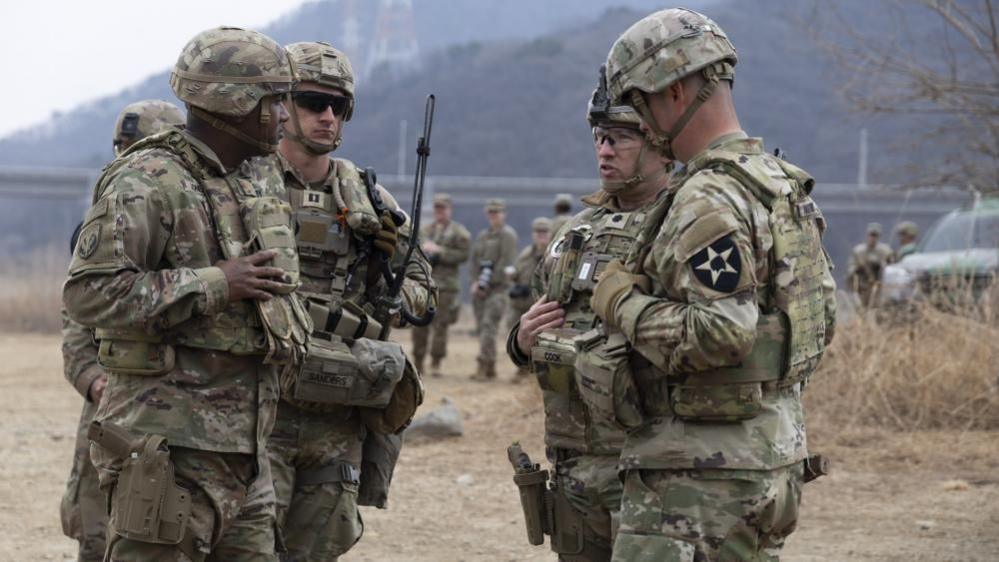
Han Kuang, which runs each summer, involves thousands of troops, naval vessels and aircraft. The 2026 iteration emphasized rapid deployment, supply chain resilience and the political decision‑making chain that would be used if hostilities erupted. Taiwan’s leadership publicly stated that the exercise is “a deterrent signal to Beijing” and a reminder that the Republic of China is prepared for war.
Expert Insight
Dr. Mei‑Lung Chen, a senior analyst at the Institute for Strategic Studies, notes: “The midnight evacuation tests not only the logistics but also the leaders’ nerves. If you can move the head of state on a secret schedule and keep the flights running, you’ve addressed some of the crucial latent threats.”
Despite the spectacle, officials affirm that the exercise is purely preventive. No hostilities are underway, and the evacuation was strictly a training exercise aimed at strengthening Taiwan’s national resilience.