In brief
The Information Ministry rolled out the Foreign Media Facilitation Guidelines 2026, requiring foreign journalists – including Pakistani nationals – to obtain a No Objection Certificate before reporting outside Islamabad, Karachi and Lahore. Critics say the move effectively limits coverage of ongoing protests in Pakistan‑administered Kashmir and could further weaken Pakistan’s already precarious free‑press ranking. Prominent journalists and media bodies have condemned the vague language that could lead to arbitrary accreditation revocations, calling the guidelines an executive order without legal backing.
On Sunday, Islamabad’s Information Ministry announced new rules that require any foreign journalist – including Pakistani nationals – to obtain a No Objection Certificate (NOC) before reporting outside the three major cities of Islamabad, Karachi and Lahore. The guidelines, dubbed the Foreign Media Facilitation Guidelines 2026, aim to “verify media, facilitate access and coordinate reporting requirements,” officials said, but critics say they effectively choke off international coverage of conflict‐hot zones, notably the Pakistan‑administered Kashmir (PAK).
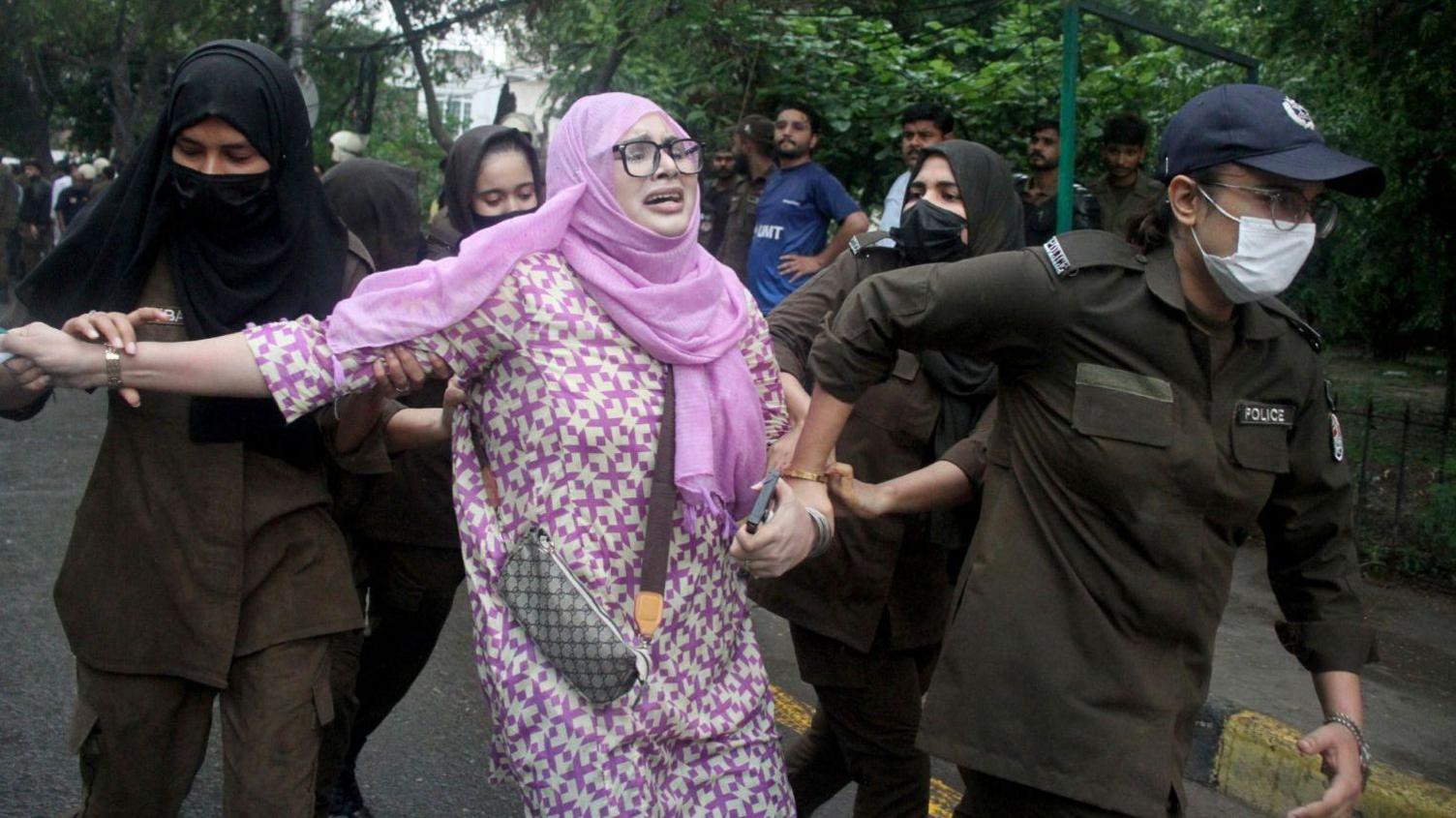
The new rules come amid violent protests in PAK, which have seen dozens killed and have prompted calls for journalists to stay off the ground. Foreign outlets covering the unrest, such as the BBC and Al Jazeera, have reportedly been asked to leave the region or have faced abrupt site blocks.
“These guidelines are tantamount to choking international media in an increasingly shrinking space,” warned political commentator Mustafa Nawaz Khokhar.
The guidelines also allow the ministry to revoke accreditation for journalists who, it says, act against the ideology, sovereignty, security or public order of Pakistan. Critics argue this wording is vague and can be used to silence dissent.
A senior editor from Dawn newspaper, Zaffar Abbas, called the move “ridiculous restrictions … undermining freedom of movement and the press.” He notes that over four decades of working in Pakistan “has never seen the imposition of such restrictions.”
According to Supreme Court lawyer Salhuddin Ahmed, the directives are issued as an executive order and lack statutory backing, raising legal questions about their enforceability. Meanwhile, a coalition of international journalists and the Federal Union of Journalists is organising a meeting with the information minister to voice concerns.
The restrictions come at a time when Pakistan’s ranking on the World Press Freedom Index has deteriorated to 153rd out of 180, signalling growing pressure on media. The new NOC regime may further erode the ability of foreign reporters to cover breaking news from this politically volatile region.