In brief
As hundreds of thousands gather in Rome for a year-long Catholic Jubilee, a stark contrast exists in Bethlehem, where residents confront ongoing war and deprivation during the Christmas season.
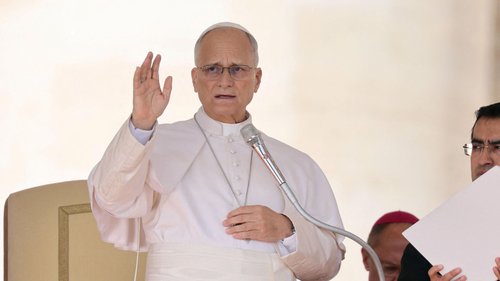
This Christmas Eve, the atmosphere couldn't be more different between Rome and Bethlehem, two cities of immense significance in Christianity. While Rome eagerly anticipates the arrival of hundreds of thousands of pilgrims for a major Jubilee event, Bethlehem braces for the emotional weight of its historical struggles.In Rome, the city is buzzing with activity, investing billions into preparations for the Jubilee, a rare celebration where Catholics believe they can have their sins absolved. Landmarks are being renovated, and construction workers hustle to create an inviting atmosphere for the influx of believers expected to arrive from around the globe.Contrastingly, Bethlehem—a city often considered the birthplace of Jesus—will see a modest number of visitors, possibly only a few hundred. The stark reality for its 34,000 residents is a life entrenched in the consequences of a long-standing conflict, where struggles for a living wage are an everyday occurrence. The city is surrounded by a towering gray concrete wall, a symbol of the Israeli-Palestinian tensions that have persisted for generations. Security checkpoints warn Israeli citizens against entering, further isolating the community.Amid the jubilation in Rome lies a deep sorrow for those in Bethlehem, where signs of religious and cultural significance are overshadowed by the shadows of war. As pilgrims in Rome pass through the Holy Doors to receive indulgences, the echoes of joy and hope resonate in contrast to the struggles faced by those who remain in a city yearning for peace and prosperity.While both places are tied deeply to the Christian faith, this season stands as a poignant reminder of the disparities in faith experiences—one marked by progress and celebration and the other marred by hardship and yearning.