
In brief
Germany's decision comes amid heightened concerns over espionage and attacks connected to the ongoing conflict in Ukraine, amid allegations of Russian efforts to undermine Western security.
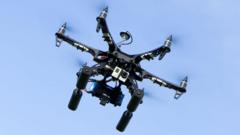
Germany's cabinet has taken significant steps in response to drone threats near military sites, allowing the armed forces to engage with potentially malicious drones directly. Interior Minister Nancy Faeser outlined the growing challenges posed by the rise in drone sightings, particularly since the beginning of the conflict in Ukraine. She noted, "especially since [Russian President Vladimir] Putin's war of aggression against Ukraine, we have seen that drones are being used more and more frequently." These developments come amid suspicions that Russia has been conducting covert operations aimed at destabilizing Western nations that support Ukraine.Poland's Prime Minister Donald Tusk fueled these concerns on Wednesday, asserting that Russia planned acts of air terror against both Poland and international airlines. This followed reports confirming that US President Joe Biden had explicitly warned Putin of these alleged plans. In a related context, Polish prosecutors disclosed that recent parcel fires targeting courier companies were likely test runs for more serious sabotage aimed at disrupting flights to North America.As part of NATO's response to such threats, a new mission has been announced to enhance the surveillance of maritime activities in the Baltic Sea, particularly in light of damaging incidents involving undersea cables last year. Recent weeks have witnessed numerous drone sightings near military bases in Germany, prompting the military to rethink its engagement rules. While current regulations permit only warning shots and assistance to police, the proposed changes would enable soldiers to shoot down drones if deemed necessary to safeguard lives or critical infrastructure.In November, a series of targeted parcel fires across Europe were linked to potential sabotage efforts by Russian operatives, intensifying fears of broader attacks orchestrated by the Russian military intelligence agency, the GRU. Though Russia consistently denies involvement in sabotage, Western officials continue to attribute various incidents to its agencies, including attacks on transportation networks in several EU countries this year.

