
In brief
A comprehensive investigation reveals the tumultuous working conditions and supply chain dynamics behind Shein's cut-price clothing, and the implications for both workers and the fashion industry.
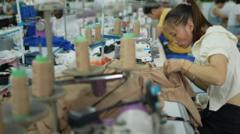
The rhythmic hum of sewing machines fills the air in Guangzhou's Panyu district, dubbed the "Shein village," as workers tirelessly produce clothing for the world’s largest fast fashion retailer. Outside the open windows of numerous factories, employees toil from dawn until late at night, stitching together t-shirts, shorts, and dresses destined for over 150 countries. This clandestine hustle is emblematic of Shein's explosive growth since its humble beginnings.Workers in the area, many of whom have migrated from rural provinces, recount long hours—up to 75 per week—often pushing beyond legal limits enacted by Chinese labor laws. Interviews conducted by the BBC with factory employees reveal that many only receive one day off per month, a situation they reluctantly accept for the chance to earn wages in a city where opportunities are scarce.Shein, originally a little-known Chinese brand, has recently soared to an estimated value of £36 billion ($60 billion) and is eyeing a potential listing on the London Stock Exchange. However, this success is marred by growing concerns over its labor practices and allegations of forced labor, particularly following the revelation of child labor instances in their factories last year.While the company has committed to ethical practices in its supply chain, factory owners and workers tell a different story. While factories churn out clothing at remarkable speeds to meet consumer demand and Shein’s aggressive pricing strategy—dresses for as low as £10—wages are often insufficient to cover the escalating cost of living. Many workers report their earnings—typically calculated per garment—falling short of what is necessary for a sustainable living.From alleys bustling with labor alongside numerous job postings and clothing samples, to factories with late-night shifts that sometimes extend until midnight, the realities of life for these workers are sobering. Reports from advocacy organizations corroborate the existence of grueling work conditions and excessive hours, raising urgent ethical questions about Shein’s practices as they prepare for their public offering.The intricate links between local factories, Shein's demand-driven production methods, and the overall state of labor rights in China form a complex narrative. As Shein continues to thrive, it faces increasing scrutiny not just from consumers but also from governments and rights groups wary of its labor relations and the environmental impact of fast fashion.Experts urge the need for greater transparency in Shein's supply chains, particularly as it sources materials from sensitive regions like Xinjiang, which has been accused of using forced labor. As the public remains conscientious of these practices, Shein's response to scrutiny will likely play a critical role in its future sustainability and reputation.However, sentiments within the workforce reflect a mixed reality; some view their association with Shein as an opportunity for advancement and pride in their contributions to the global marketplace, despite acknowledging the harsh working conditions. As they return to their jobs, the workers contend with a delicate balance between the demand for their labor and the right to fair treatment.

