
In brief
The UN report exposes Iran's systematic use of technology to enforce dress code regulations, presenting a chilling view of state-sponsored vigilantism as women face dire consequences for non-compliance.
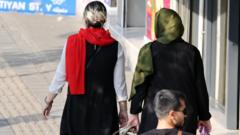
Iran is ramping up its efforts to enforce strict dress codes for women, employing a mix of advanced surveillance technologies and community-driven reporting systems, as detailed in a recent report from the United Nations. Investigators outlined how Iranian authorities have adopted a strategy branded as "state-sponsored vigilantism," which encourages citizens to utilize specialized mobile applications to report women who are perceived to be in violation of the mandatory hijab laws.The report highlights the deployment of drones and enhanced security camera networks, particularly in major urban areas like Tehran, to monitor compliance with hijab regulations. The consequences for women who flout these laws can be severe, ranging from arrest and physical abuse to potential sexual violence while in custody.The scrutiny surrounding women's rights in Iran intensified after the tragic death of Mahsa Amini in custody in 2022, sparking widespread protests against the theocratic regime. Witness accounts suggested that Amini, a 22-year-old Kurdish woman, suffered severe beatings at the hands of the morality police, although the government denied any wrongdoing and attributed her death to “sudden heart failure.” Nevertheless, protests continue to rage two-and-a-half years later, fueled by a legacy of systemic discrimination against women.The UN's Independent International Fact-Finding Mission condemned the pervasive culture of discrimination and violence that women in Iran face daily, particularly in relation to the strict enforcement of the hijab. The report noted a specific incident at Amirkabir University, where facial recognition software was implemented to identify women not adhering to dress codes.In addition to physical surveillance, the Iranian police introduced the "Nazer" app, which allows users—including vetted members of the public and law enforcement—to report violations. The app can capture detailed information including vehicle license plates and specific locations, swiftly alerting authorities to potential violations. Those flagged may receive a warning text, and repeat offenders risk having their vehicles impounded.Additionally, the report shed light on numerous human rights abuses within the Iranian judicial system, which has shown a lack of independence. Investigators interviewed nearly 300 victims and witnesses, uncovering cases of torture, intimidation of families, and extrajudicial killings labeled as suicides. The investigation revealed horrifying accounts of sexual violence against detained women.The comprehensive findings will be presented to the Human Rights Council on March 18, further highlighting the dire situation for women and victims of state-sponsored abuse in Iran, as their struggle for rights continues amidst a backdrop of severe repression.
