
In brief
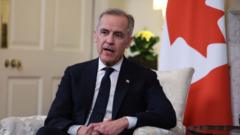
As newly appointed Prime Minister Mark Carney prepares to announce a snap election for April 28, the country grapples with escalating trade tensions with the US. With a background as a two-time central banker, Carney is expected to position himself as a strong candidate against President Trump, following the resignation of former PM Justin Trudeau. As the Liberal Party gears up for a five-week campaign, recent trade disputes and tariffs may significantly influence voter sentiment, indicating a tightening race against Conservative leader Pierre Poilievre.
Newly sworn in Prime Minister Mark Carney is reportedly poised to announce a national election for April 28, following the resignation of former Prime Minister Justin Trudeau. Multiple sources indicate that Carney, 60, aims to dissolve Parliament imminently, spurring a five-week campaign against trade tensions with the United States. The ongoing trade war poses a significant challenge, especially as President Trump threatens to impose tariffs on Canadian goods, bringing the discussions around US-Canada relations to the forefront of the election narrative. Carney, who has positioned himself as the candidate prepared to confront Trump, has pledged to continue Canada's reciprocal tariffs if the US maintains its current trade policy. With new polling suggesting a narrowing gap between the Liberals and the Conservatives, the upcoming election is likely to be influenced by the recent economic turmoil attributed to US trade actions. Voters will also see the Bloc Quebecois and the New Democrats (NDP) competing for seats as the political landscape shifts in response to economic challenges and international relations.

