
In brief
Oman's foreign ministry said talks with Iran over a new route through the Strait of Hormuz are positive, while Tehran maintains the deal would not immediately open the strait. The blockade has kept a fifth of global oil traffic out of the Gulf since February 2026, following US and Israeli strikes. Iranian officials list several pre‑conditions, including US compensation for “violations” of a cease‑fire MoU. Regional tensions flare with reports of missile strikes on tanker vessels and attacks on shipping lanes. The situation remains fluid, with the opening of the strait hanging on diplomatic breakthroughs.
Negotiations in Progress, Still Barriers Remain
Oman reports positive talks with Iran about opening a new route through the Strait of Hormuz. The discussions are described as finalising, yet a precise timetable for any reopening is still unconfirmed.
Oman cautions against attacks on shipping that could jeopardise the effort to resume maritime traffic. Iran’s foreign minister Abbas Araghchi remarked that any full reopening is conditioned on a number of other political and economic criteria.
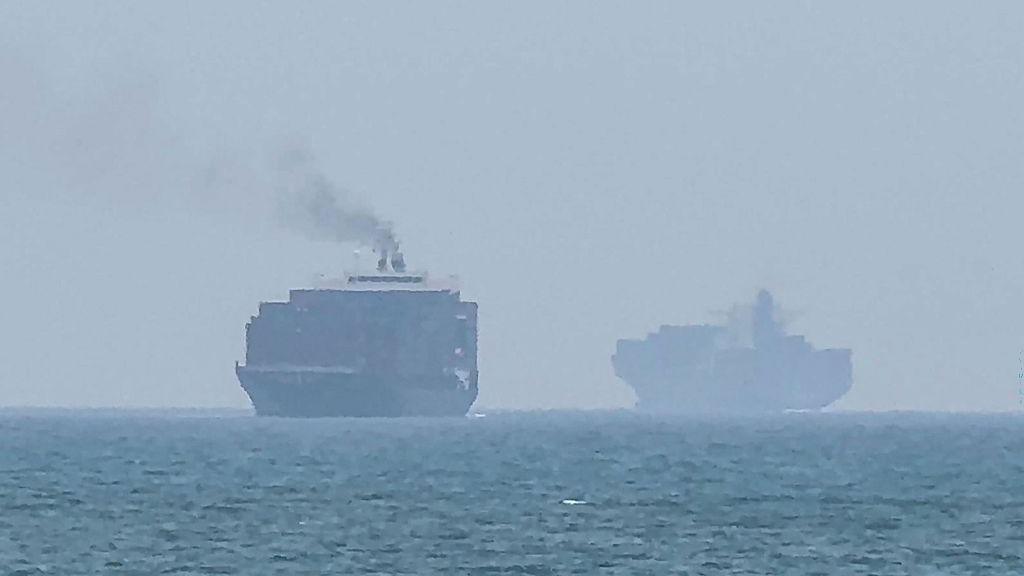
The strait, a vital artery through which roughly 20% of the world’s oil flows, has effectively been blockaded since February 2026 after US and Israeli forces began striking Iranian vessels. Tehran explains that the blockade is a defensive reaction to a series of US attacks.
Negotiation Conditions include Iran receiving compensation from the United States for what Tehran describes as breaches of a cease‑fire memorandum signed earlier this year. The memorandum, intended to cease hostilities and advance war‑ending talks, collapsed after tit‑for‑tat strikes resumed shortly after its signing.
Iran’s security chief Mohammad Baqer Zolqadr insisted the strait would remain closed until the US corrects its behaviour. His demands encompass: halting threats against Iran, lifting the naval blockade of Iranian ports, and releasing frozen Iranian assets.
Concurrent tensions extend to Yemen, where Houthis have applied a blockade to Saudi ports in the Red Sea since 20 July.
International Responses and Regional Concerns
While US President Donald Trump suggested a deal with Iran could be forthcoming, Vice‑President JD Vance remains cautious, asserting that substantial work remains before any meaningful progress can be declared. He notes the use of broad diplomatic, economic, and military tools to secure favourable outcomes.
Vance downplayed rumors that Iran intends to impose a toll on vessels transiting the strait, contrary to separate reports by Iranian officials alleging 5%–7% fees on cargo value.
The United Arab Emirates warned that a hostile Iranian missile attack struck a tanker affiliated with ADNOC as it moved through the strait, with no casualties reported. The UK Maritime Trade Operations reported a strike on an unknown projectile near Oman’s coast, which caused a fire that was extinguished but left the vessel uncasualty.
These incidents underscore the potential for wider maritime accidents and the need for a robust, mutually agreed traffic scheme to allow safe passage through the Hormuz corridor.
