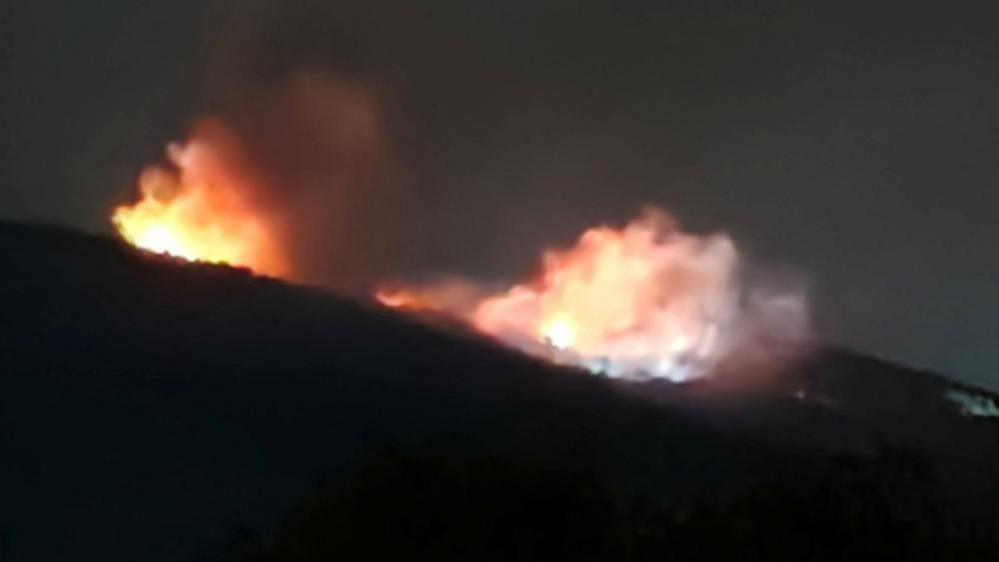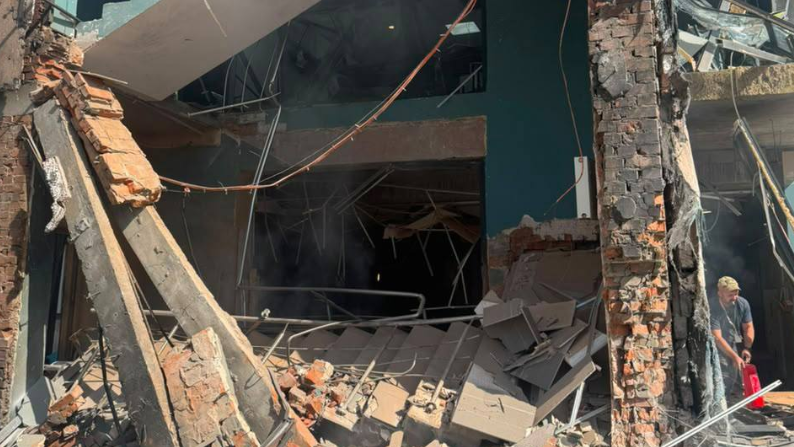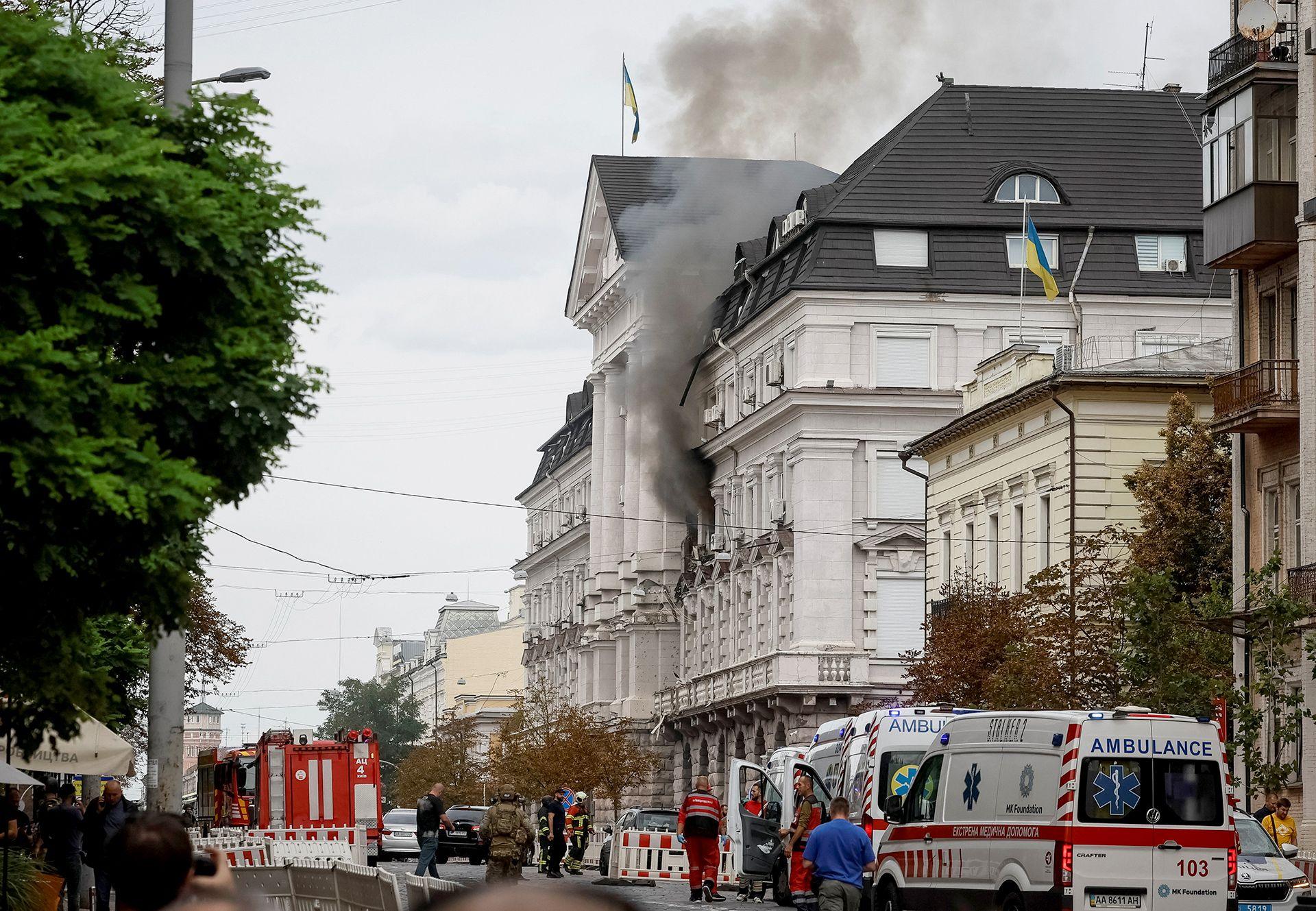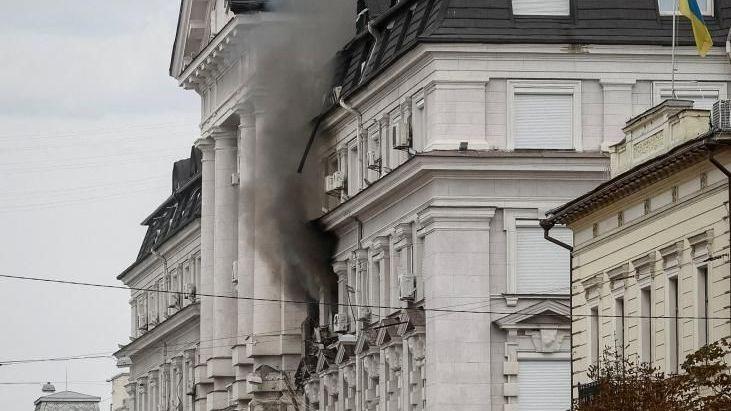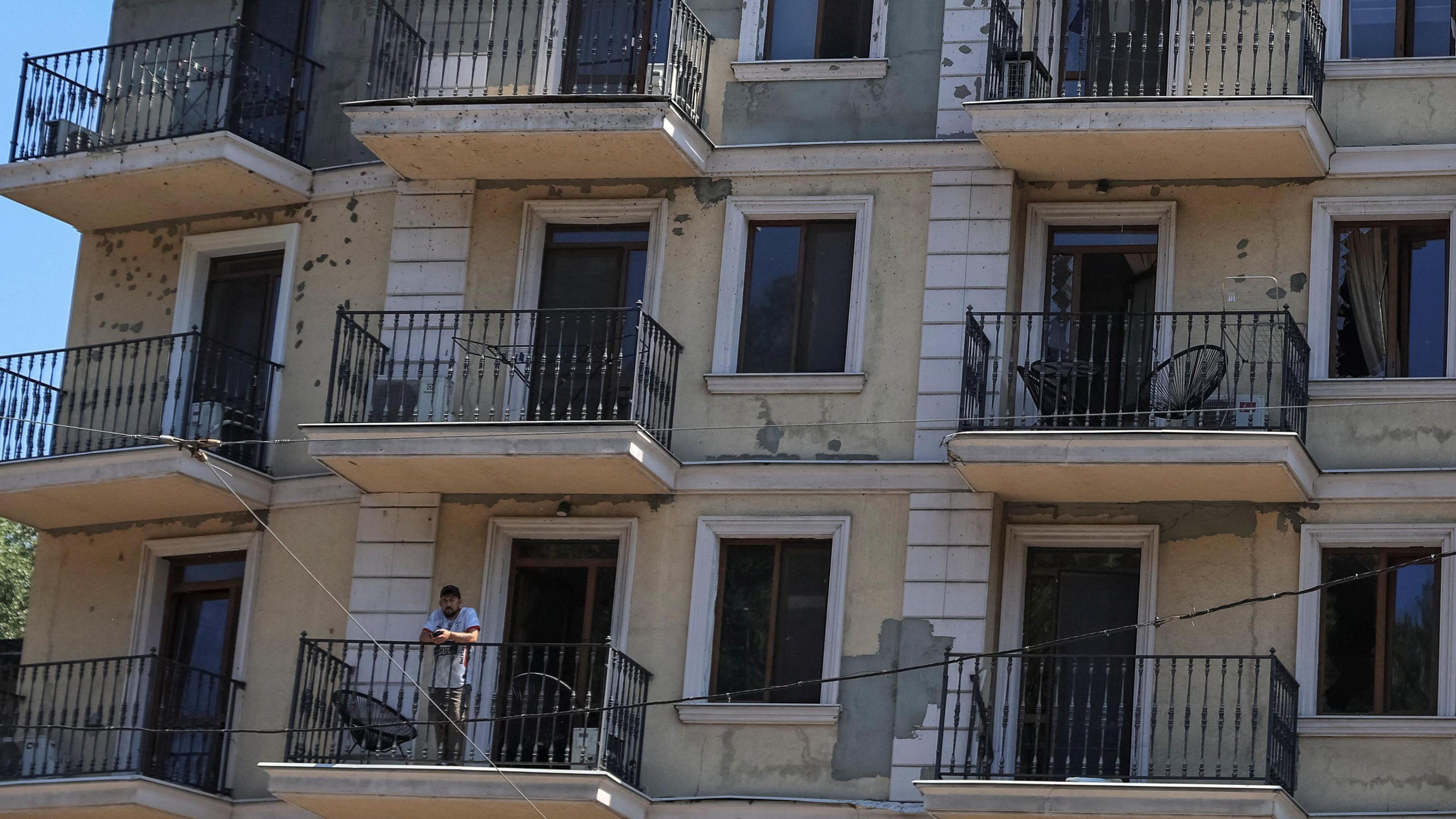
At dawn on Saturday, a surge of Russian drones and missiles devastated the Ukrainian port city of Odesa, leaving three civilians dead and striking a multi‑storey residential building, a non‑residential office and a gas pipeline.
Oleh Kiper, governor of the Odesa region, described the assault as "massive" and the fifth consecutive day of Russian attacks on the area’s strategic assets.
Russia’s defence ministry said it deliberately targeted port infrastructure used for petroleum, oil and lubricant unloading, and also claimed it aimed at sites involved in manufacturing military hardware and transporting cargo.
The strike follows Ukrainian drones that, overnight, struck twenty Russian vessels in the Black Sea, prompting Moscow to tighten shipping in the Sea of Azov—a route that had carried about a quarter of Ukraine’s grain exports.
Amid the escalating military pressure, Ukraine’s political landscape remains volatile: President Volodymyr Zelensky dismissed Prime Minister Yulia Svyrydenko after less than a year in office, a resignation move that parliament accepted despite questions about its justification.
In Kyiv, European Commission President Ursula von der Leyen visited to discuss cooperation between European and Ukrainian defence industries, announcing initiatives designed to accelerate production on both sides of the conflict.