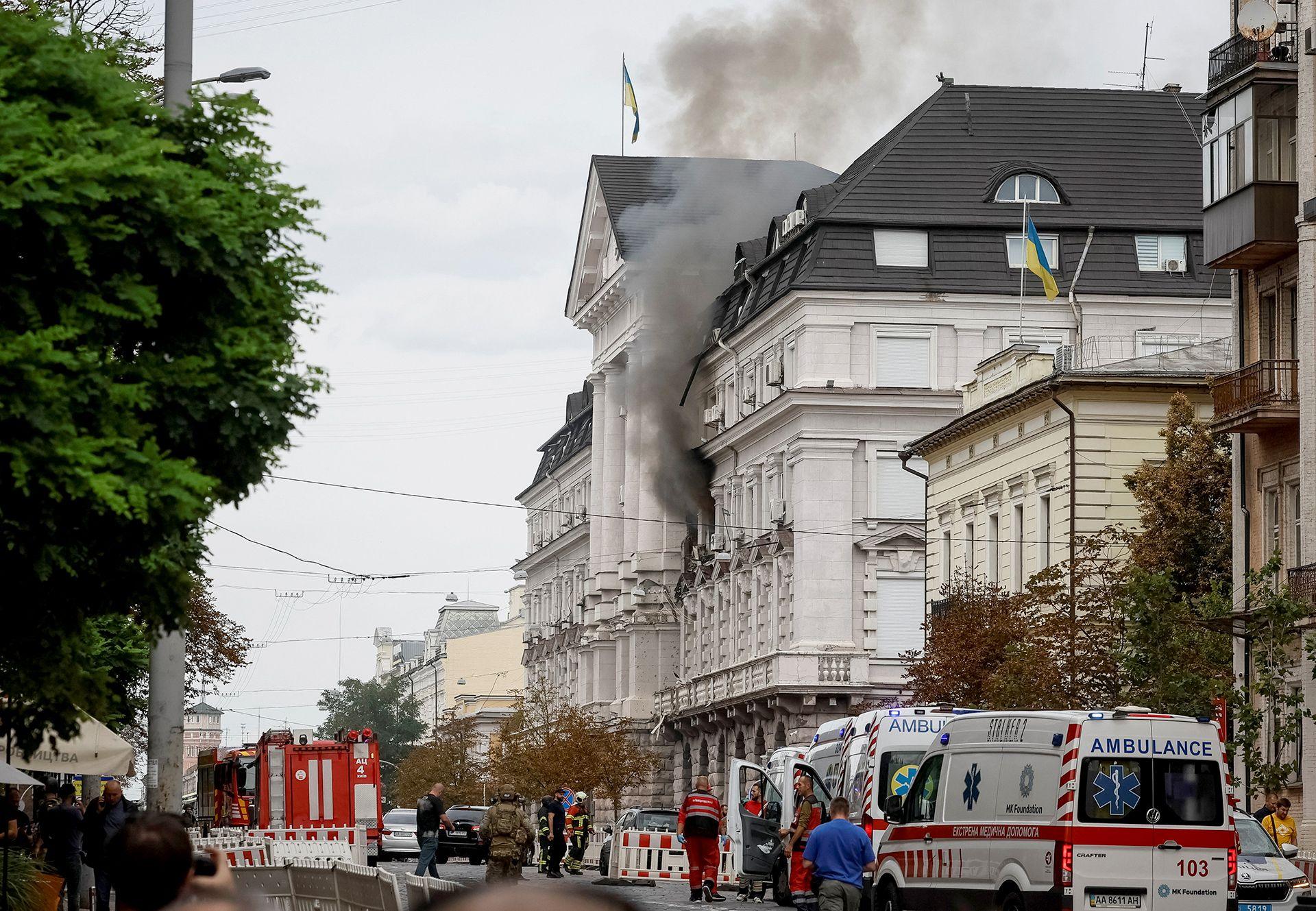
A shockwave of black smoke ripped across Odesa’s pier on July 28, 2026. Svitlana Halchenko, a warehouse shift manager at the city’s main port, recalls the moment a Russian ballistic missile exploded directly above her crane, sending a lethal plume of shrapnel into the air. She and several colleagues were caught off‑guard; the operator died in his partner’s close embrace, while drivers were trapped in cabins. Though wounded and cradling pieces of metal beneath her skin, Svitlana pressed on, driven by a resolve to keep the dock’s work alive.
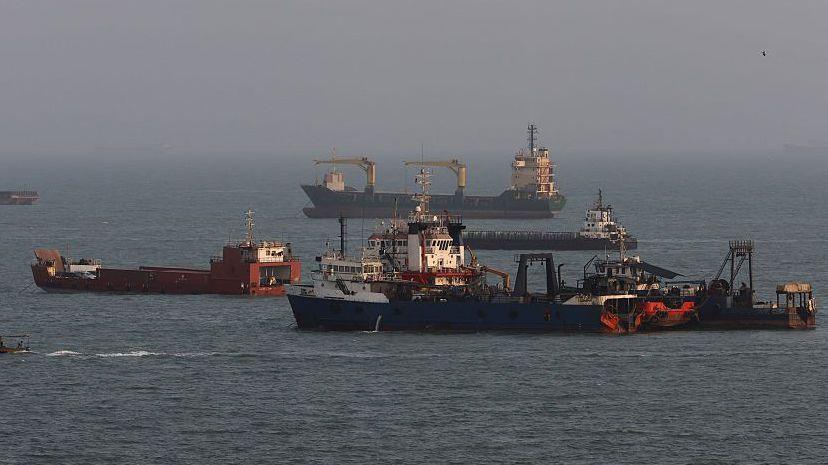
Behind the scenes, the maritime corridor that once hummed with movement has grown eerily quiet. Reported strikes this month tally 57 hits on civilian vessels—22 at sea—and 67 on port infrastructure. The numbers prove the opacity of danger; ships that once ferried grain and oil now face a lethal plight, with some forced to abandon departure plans out of sheer survival fear.
In the shadows of the cranes, men scoured the deck for ruined containers, while empty berths echoed with the vibration of thwarted maritime traffic. Port officials have shut operations for up to 15 hours each day, as sirens flare at the last minute and drones roam overhead. “The area has turned into a no‑go zone for most shipping operators,” said a senior manager, whose staff remain uncertain about the future of trade.
The impact extends far beyond local logistics. Ukrainian grain, which once contributed 6 % of global wheat exports and 10 % of corn, now faces a ministry of losses that surpass a third of its export capacity. Volodymyr Slavinskyi, a leading grain broker, estimates a loss of half a million metric tons for the current season, a shock felt across global markets.
While Odesa’s beaches welcome tourists in summer, the peril looms close. Beachgoers have witnessed the remnants of a Russian drone being wrestling out of water, and civilian casualties have risen as shrapnel struck shores. The city tries to mask war behind summer festivities, yet the sirens and looming explosions remain constant reminders of the hidden cost being paid by civilians.
For Ukraine, the fear is twofold: a military threat to its seized controls and an economic one that could compromise its position as a key grain supplier. As Russia resumes systematic attacks on the Black Sea, the stakes encompass the health of soldier families, the efficiency of maritime shipping, and the safety of international consumers waiting for a staple commodity.