
In brief
Over 565 children have suffered injuries or fatalities due to crude bomb explosions in West Bengal linked to political conflicts, highlighting the devastating toll of violence on innocent lives.
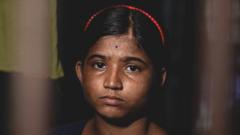
In the tumultuous landscape of West Bengal, a tragic narrative unfolds as children pay an alarming price for the region's deep-rooted political violence. Investigative reporting by the BBC reveals that over the last three decades, at least 565 children—94 of whom have lost their lives—have been injured or killed by homemade bombs, often mistaken for toys. A particularly harrowing incident occurred in May 1996, when 9-year-old Puchu Sardar and his friends unearthed what they believed were cricket balls, only for one to explode upon contact. This moment of innocent play transformed into a nightmare, exemplifying the dangers pervading lives in politically volatile areas.Despite rigorous attempts to gather data on these casualties through local newspapers, the true extent of the devastation remains a mystery, as many incidents go unreported. Tragically, children have fallen victim to explosions primarily while playing outside, where these crude devices, often hidden, serve as tools of intimidation during elections. These bombs, locally known as "peto," have a historical backdrop rooted in rebellion, marking a legacy of violence passed down through generations.Cases of children like 7-year-old Poulami Halder, who lost her hand when she activated a concealed bomb while picking flowers, and Sabina Khatun, who was similarly maimed at the age of 10, underscore the stark reality facing youth in the state. Both girls face a lifetime of challenges stemming from their injuries, battling societal stigma while clinging to aspirations of normalcy.Experts and former police officials note that the use of crude explosives has often been employed by various political parties across generations to assert dominance and instill fear among opponents. However, no political entity admits to participating in the violence, reflecting a culture of denial amidst ongoing carnage.Unfortunately, the cycle of violence continues unabated. Recent incidents, such as the death of 9-year-old Raj Biswas in May, illustrate the urgent need for accountability and societal intervention. As explosive reminders linger in the shadows of what should be carefree youth, the community grapples with the lost potential and forced suffering of children caught in the crossfire of political strife—a chilling testament to the profound consequences of neglecting their safety.


