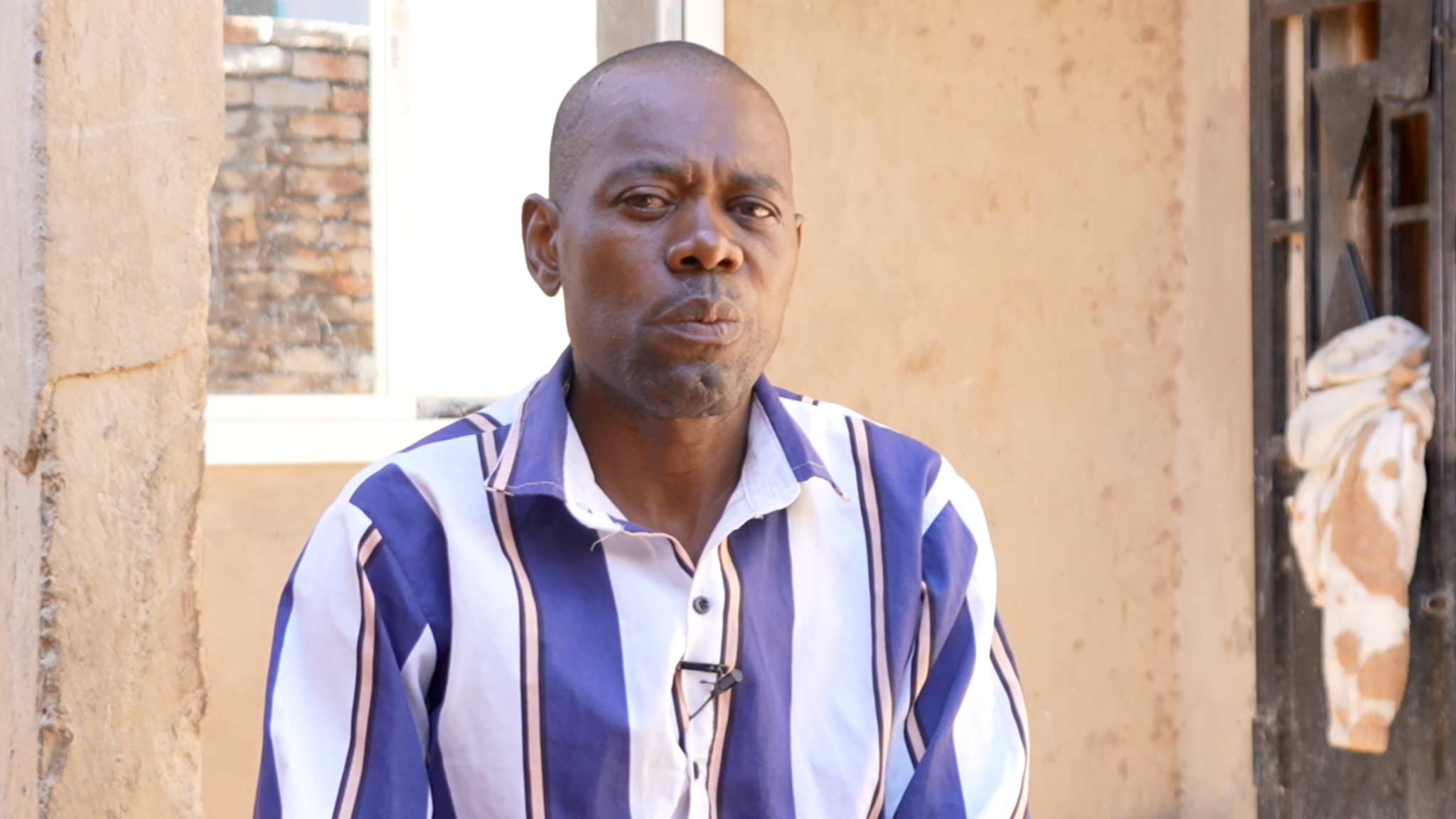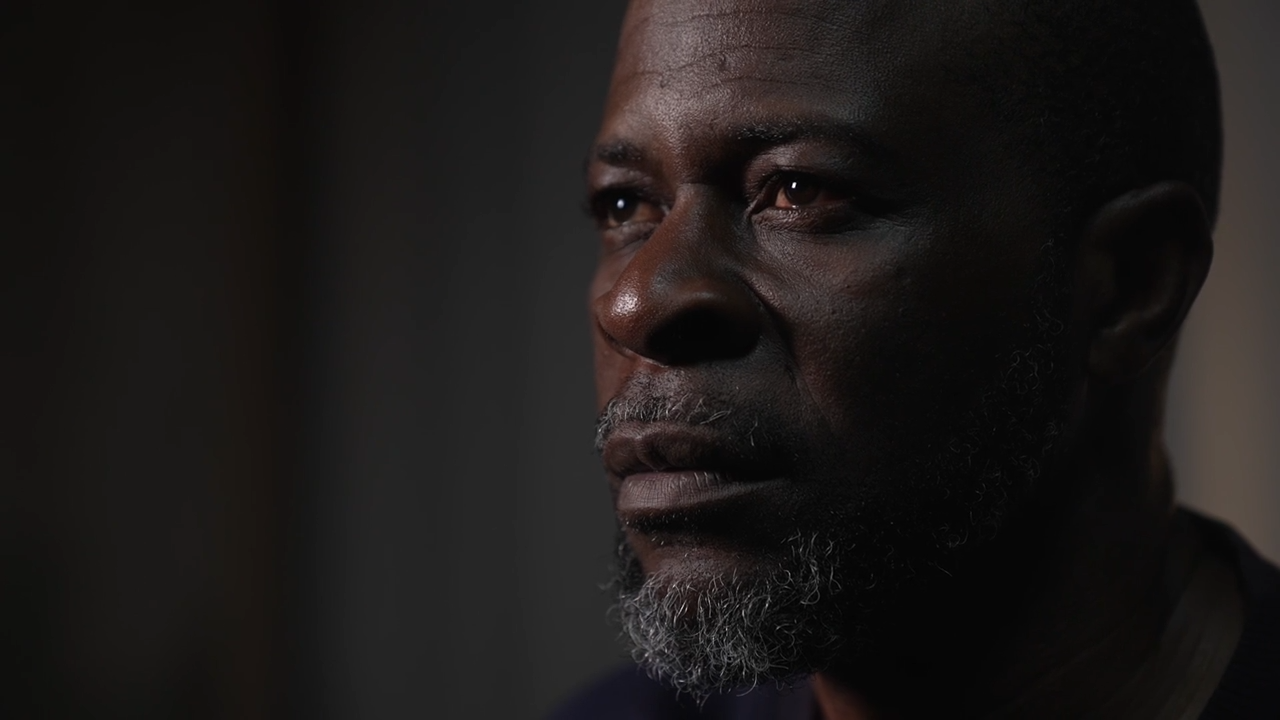
When Richard Itoro boarded a repatriation flight out of Johannesburg, he was not just a businessman in distress; he was a man forced to abandon a wife and twin daughters that made him feel boundless.
For eleven years, he had owned a car dealership, bought a home and built a comfortable life, only to see his neighbourhood turn hostile. Neighbours told him that as a Nigerian his existence was illegal, urging his family to leave with him.
He had legal immigration papers – a fact he showed the BBC – but legal status offered no shield against intimidation or the people's anger that war‑torn protests were inflamed by.
The Nigerian High Commission refused to send his wife and children, leaving him in a painful limbo of long‑term separation that he believes will only be solved after diplomatic turmoil softens.
Itoro’s ordeal mirrors that of Ghanaian hairdresser Emmanuel Asamoah, who was hounded on the streets of Soweto and later forced to return to Accra. The two cases highlight that South Africa’s soaring unemployment numbers have pushed many residents to view foreign arrivals as an economic threat.
In Lagos, Itoro can still hear his wife call, but he feels a hope that she will join him when the political climate softens. The crisis over the next months could either slow as Nigeria seeks compensation for abandoned property or accelerate if the country’s anger grows.