
In brief
As Delhi faces another winter enveloped in toxic smog, concerns rise over government inaction and recurring health crises.
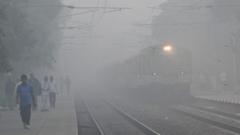
In Delhi, the arrival of winter brings with it a thick shroud of smog, reawakening the dystopian nightmare residents have witnessed repeatedly over the years. The atmospheric haze paints the city in hues of grey, masking its landmarks and choking its residents. Air quality index levels have skyrocketed, recording staggering figures between 1,200 and 1,500, far exceeding the safe limit of 100. As citizens step outside, they are greeted with a taste of ash in the air, and a few minutes of exposure leaves many breathless. Schools have closed and authorities urge people to remain indoors, yet for daily wage earners, the smog does not afford them that luxury.An eerie sense of déjà vu blankets the city, as citizens express their frustration through social media. The narrative surrounding Delhi's pollution problem continues to be similar, harking back to past winters. Observers have documented this environmental crisis for over 15 years, detailing how pollution impacts health and quality of life, particularly among the vulnerable populations like children and the elderly. Despite annual efforts from the Supreme Court to address the issue, there is no visible change, perpetuating a cycle of anger that often dissipates after winter passes.The despair grows as the same scenes unfold year after year. Parks remain empty, and those unavoidably venturing on the streets are plagued by respiratory ailments. The root causes of pollution are well-known: crop burning in neighboring states, emissions from vehicles, and construction within the city. Farmers often resort to burning crop remnants due to lack of cost-effective alternatives, while the government has yet to deliver on promises to support them.This yearly crisis, usually met with public frustration and governmental finger-pointing, fails to ignite widespread demonstrations, largely attributed to the gradual nature of health deterioration caused by pollution. Many affluent residents can escape the smog by temporarily relocating or purchasing air purifiers, whereas those less fortunate have no choice but to endure the toxic air. This class disparity keeps the dialogue confined to social media, with real accountability often swept under the rug.Experts assert that a meaningful long-term solution requires a cooperative effort from both federal and state governments, transcending political divides. Prompting citizens to demand accountability from their leaders could be the catalyst for change. Although temporary measures have been suggested, such as pausing construction activities, history has shown that these efforts alone are insufficient in restoring the once-clear skies of Delhi.As residents brace for another suffocating season, hope remains elusive. The recurring question is whether this year will finally prompt a departure from complacency and lead to decisive action to reclaim the city's air quality.
