Ukraine’s New Military Commander-in-Chief
Maj Gen Mykhailo Drapatyi (43) has been appointed as Ukraine’s top military commander replacing Oleksandr Syrskyi – a move that has been warmly received by both civilians and servicemen.
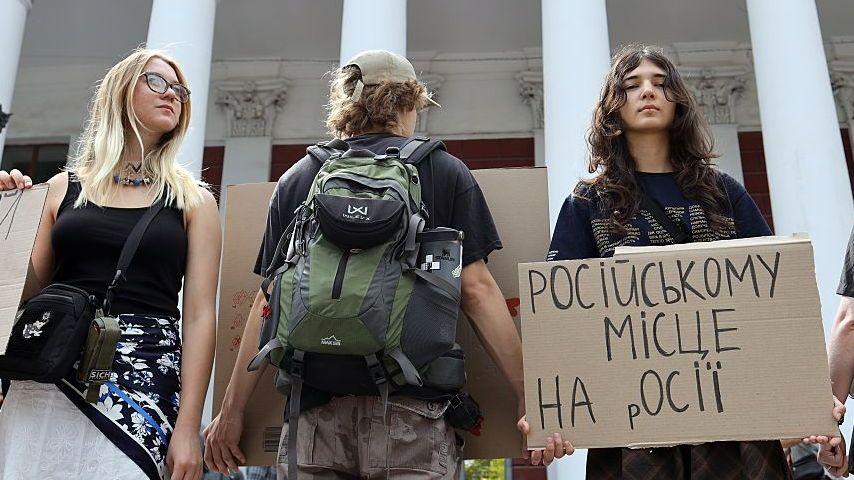
Drapatyi’s nomination was scooped up by protests that originally called for the sacking of former defence minister Mykhailo Fedorov but then turned to demand a change in leadership of the armed forces. The rally chants stopped at Drapatyi’s name, signalling the public appetite for a different kind of commander.
He entered the army after graduating from the Kharkiv Institute of Tank Troops in 2004 and rose steadily from lieutenant to field general. A defining moment came in May 2014 during the early stages of the Donbas conflict when his infantry fighting vehicle smashed a high barricade and freed hostages in Mariupol, a video that catapulted him into the national spotlight. Drapatyi later won acclaim for evacuating encircled units on the Luhansk border, further cementing his battlefield reputation.
In 2021 he returned to academia for advanced operational training and, on 15 June, received a sword of honour from the British ambassador as top graduate. The next year, when the full‑scale invasion began, Drapatyi was deputy commander of joint forces, leading task forces that thwarted Russian advances toward Kryvyi Rih and liberated settlements in Kherson and Dnipro‑pretrovsk regions.
By 2024 he commanded land troops and coordinated operations in some of the eastern front’s fiercest battles. A missile strike on a training ground in Dnipropetrovsk later that year killed twelve and wounded sixty, prompting Drapatyi to resign immediately – citing personal responsibility for what he described as a “conspiracy of silence and impunity.” The resignation was viewed as a rare act of accountability, prompting President Zelensky to appoint him instead as commander of the Joint Forces of Ukraine.
Rumours of friction with Syrskyi grew after this, with unnamed officer testimony describing Drapatyi as a gifted officer sent to the most dire conditions but devoid of political ambitions. Now that Syrskyi has departed, expectations have risen yet the path ahead is littered with constraints – from politics to supply‑chain dependencies on western partners.
Major tasks include tackling corruption that pervades conscription officers and defense procurement, boosting manpower mobilisation, and exploiting Ukraine’s burgeoning tech‑defense industry that has recently underpinned battlefield successes.
In a press release after appointment, Drapatyi pledged to “work without loud promises, with responsibility for our decisions, and with respect” for front‑line troops. Critics fear that any swift sweeping changes could pressure an already strained system, but many soldiers and ordinary Ukrainians anticipate a strategic shift from Syrskyi’s methods, which were seen as prioritizing offensive offensives over human life.
As the war drags into a harsh winter, Drapatyi’s leadership will be intensely scrutinized; his success will hinge on balancing national defence objectives with the realities of a complex, politically charged environment.