In brief
On Monday, a double‑decker VR train departed from Oulu in the early hours to cross the border into Sweden’s Haparanda station, attracting crowds of awestruck locals holding flags. After the route was suspended in the late 1980s and early 1990s because of track gauge differences and weak demand, Finland’s conversion to the European standard gauge now permits a 100‑minute, twice‑daily service. The revival links Helsinki to Stockholm within 24 hours, and enables a 5,000‑km rail journey from Portugal’s Algarve to Finland’s northernest station Kolari, making it the longest train route in Europe. Transport ministers in both countries praise the renewed cooperation, while VR chief executive Elisa Markula forecasts a surge in passenger numbers amid Europe’s broader rail renaissance.
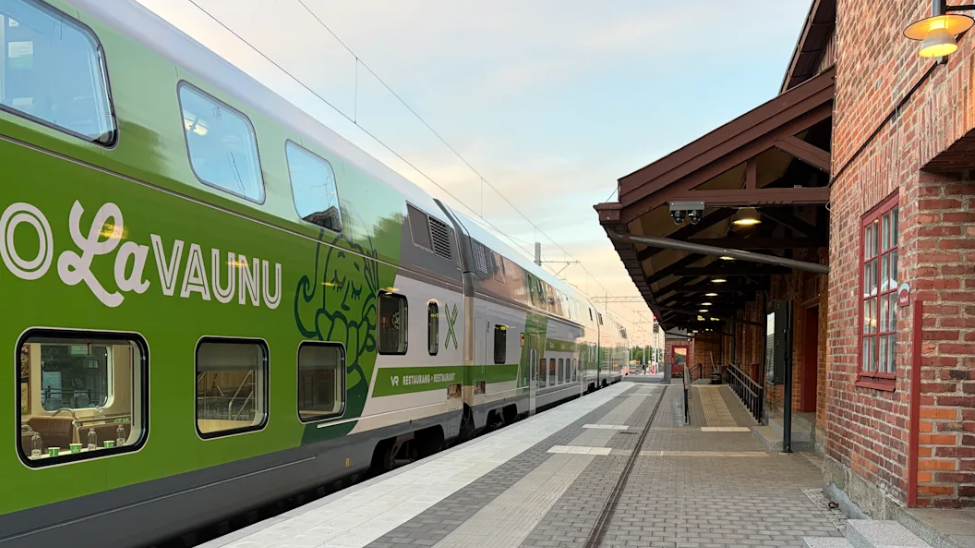
On Monday, a double‑decker VR train departed from Oulu at 05:00 local time (04:00 BST) for a trans‑border journey that once again connected Finland and Sweden. The two‑hour haul ended in Haparanda, where locals gathered with flags to welcome the first passenger service across the border in almost 40 years.
The cross‑border route had been suspended in the late 1980s to early 1990s because of low passenger demand and technical incompatibilities between Finland’s Russian‑standard tracks and the European gauge. Finland’s ongoing conversion to the standard gauge has now made it possible to run the line again.
The new twice‑daily service takes about 100 minutes as it follows Finland’s west coast before crossing the border. Travelers who continue southward will transfer to a different train, allowing a potential 24‑hour ride from Helsinki to Stockholm and a 5,000 km journey from Portugal’s Algarve to the northernmost Finnish station, Kolari.
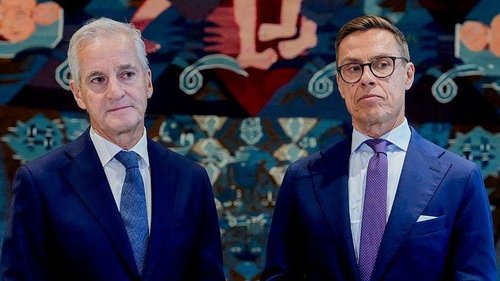
Transport ministers in Finland and Sweden hailed the return of the service as evidence of growing cross‑border cooperation. VR CEO Elisa Markula called the revival part of a broader European rail renaissance, noting that passenger numbers in Finland “are increasing a lot.”
The revitalised link is poised to boost trade, tourism, and regional connectivity, turning the once‑abandoned rail corridor back into a vital artery of the Nordic transport network.