Nearly Two Million Evacuated as Typhoon Bavi Strikes China
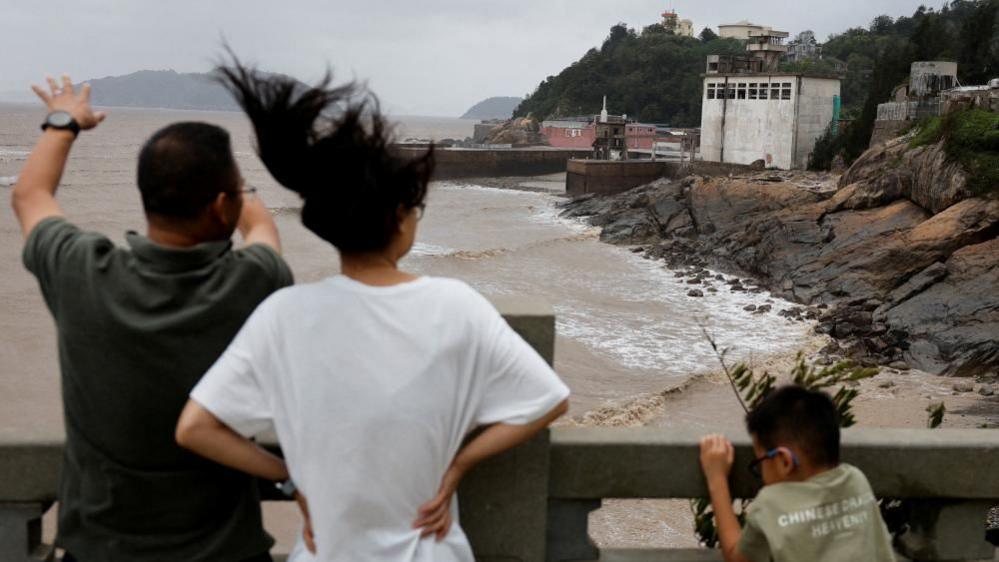
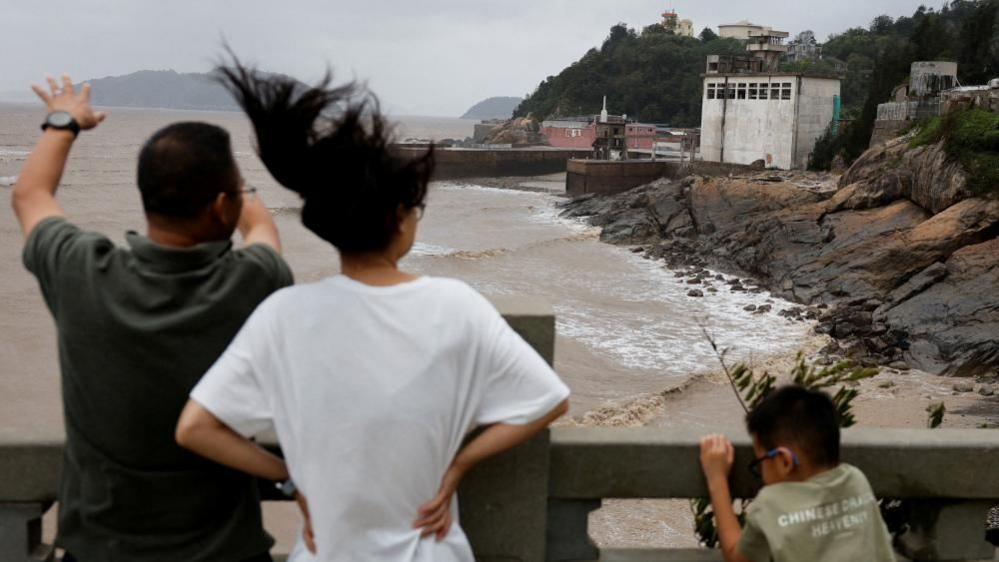
The powerful Typhoon Bavi made landfall in Zhejiang province on Saturday, forcing the evacuation of almost two million residents from the towns and villages in its path.
At its widest, Bavi stretched about 1,000 kilometres – roughly the width of France – and delivered strong winds, heavy rains and the potential for flooding. Its arrival comes a day after Typhoon Maysak, which produced significant damage across southern China, and marks the second devastating cyclone to hit the mainland in under a week.
The storm has already caused fatalities and damage in the Philippines and has driven heavy rainfall into Taiwan, but the worst damage in mainland China is yet to come. Schools, work and out‑door activities have been suspended in Zhejiang, and 400 flights and dozens of train services were cancelled as authorities prepared for the disruption.
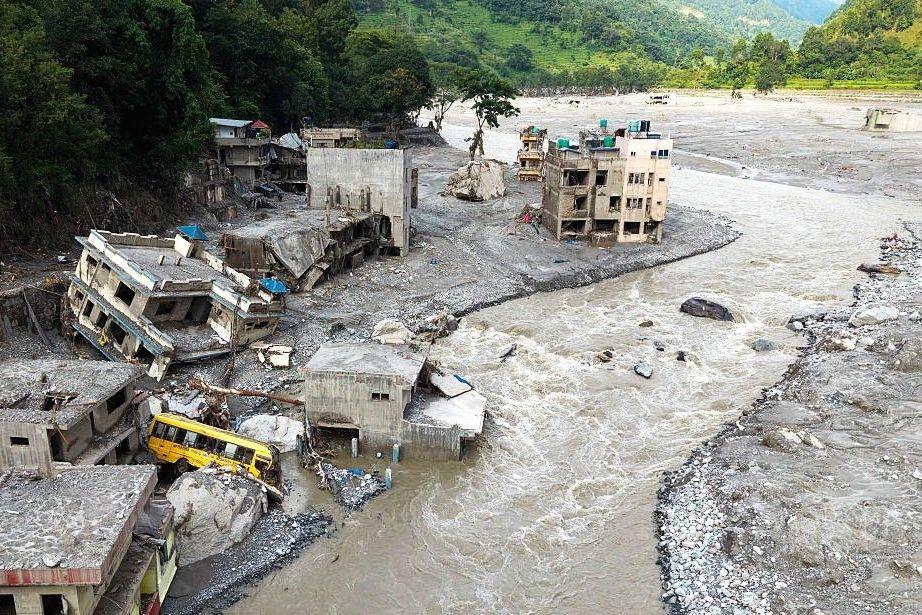
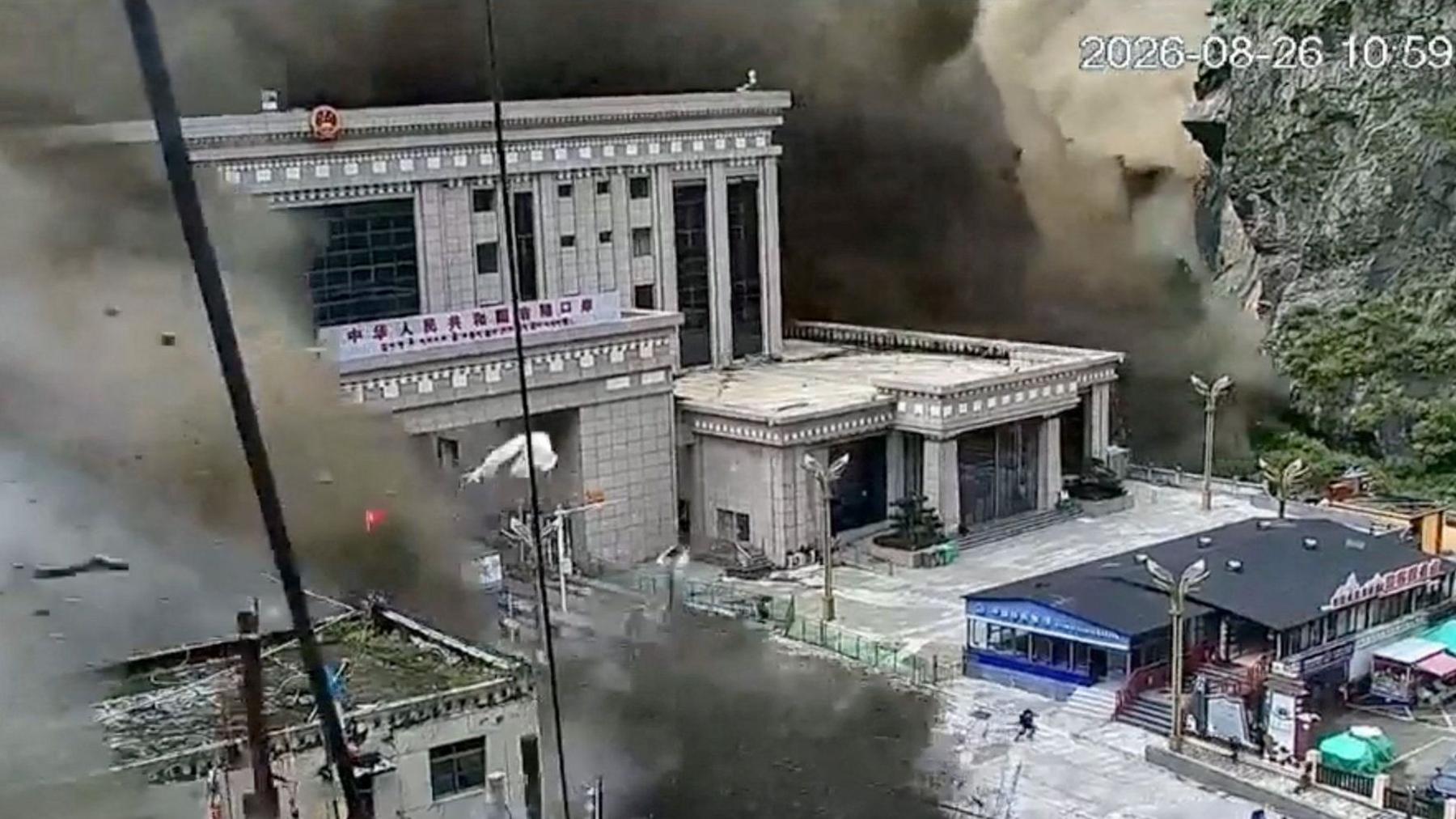
With a huge volume of moisture still locked in its rain bands, Bavi is expected to gradually weaken as it moves north‑west, but the risk of landslides and flooding remains high. The centre of the storm reached Hangzhou on Sunday, and forecasters predict it will push into eastern Anhui on Monday and into the northern Yellow Sea by Tuesday.
Officials in the coastal city of Wenzhou – home to around 10 million people – have evacuated hundreds of thousands of residents, while Beijing ordered the evacuation of 100,000 people to reduce risk.
In addition to the immediate threat, many areas in southern China are still coping with the aftermath of Typhoon Maysak, which left at least 39 people dead, triggered rare tornadoes in Hubei and caused extensive agricultural losses.