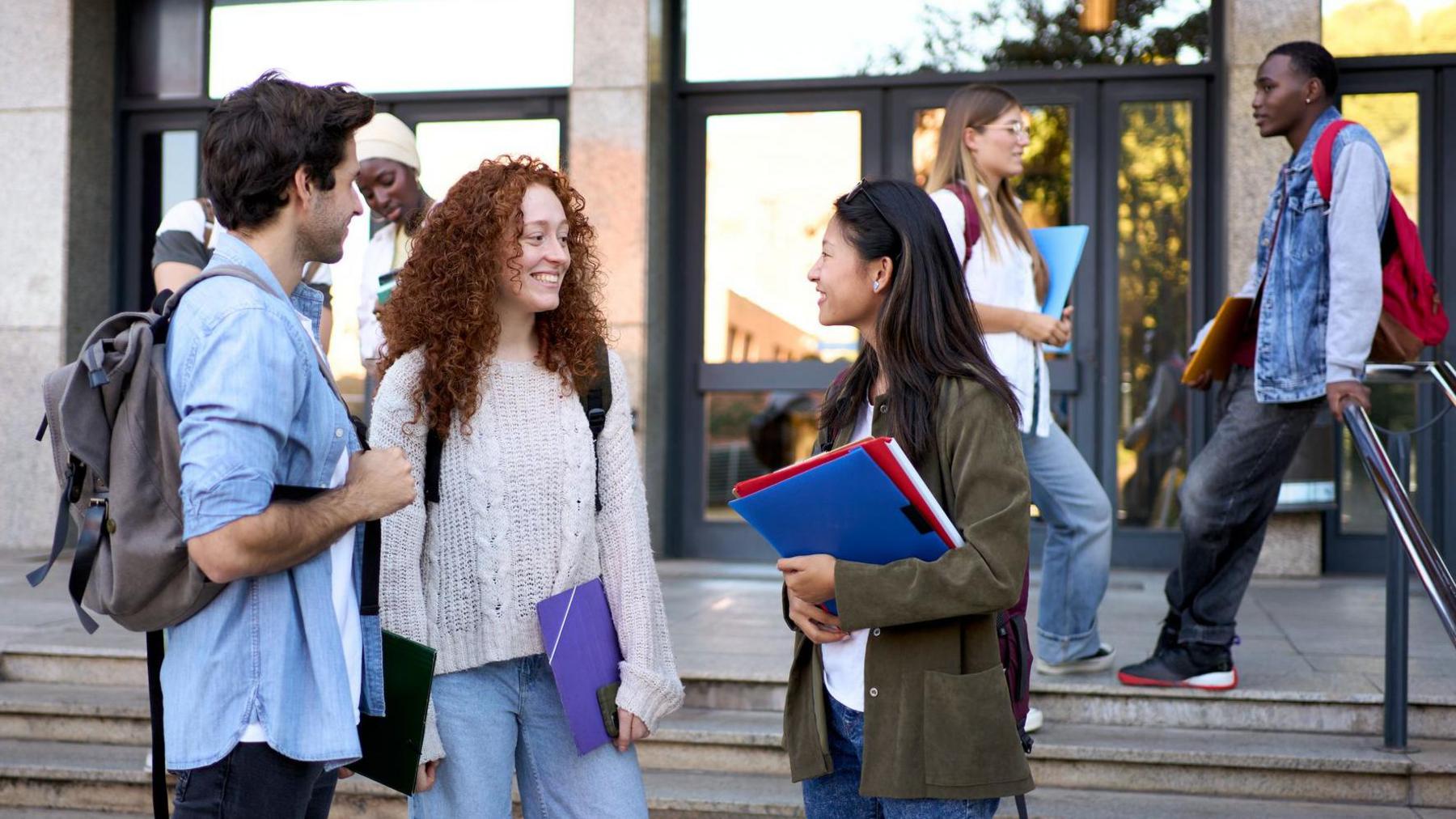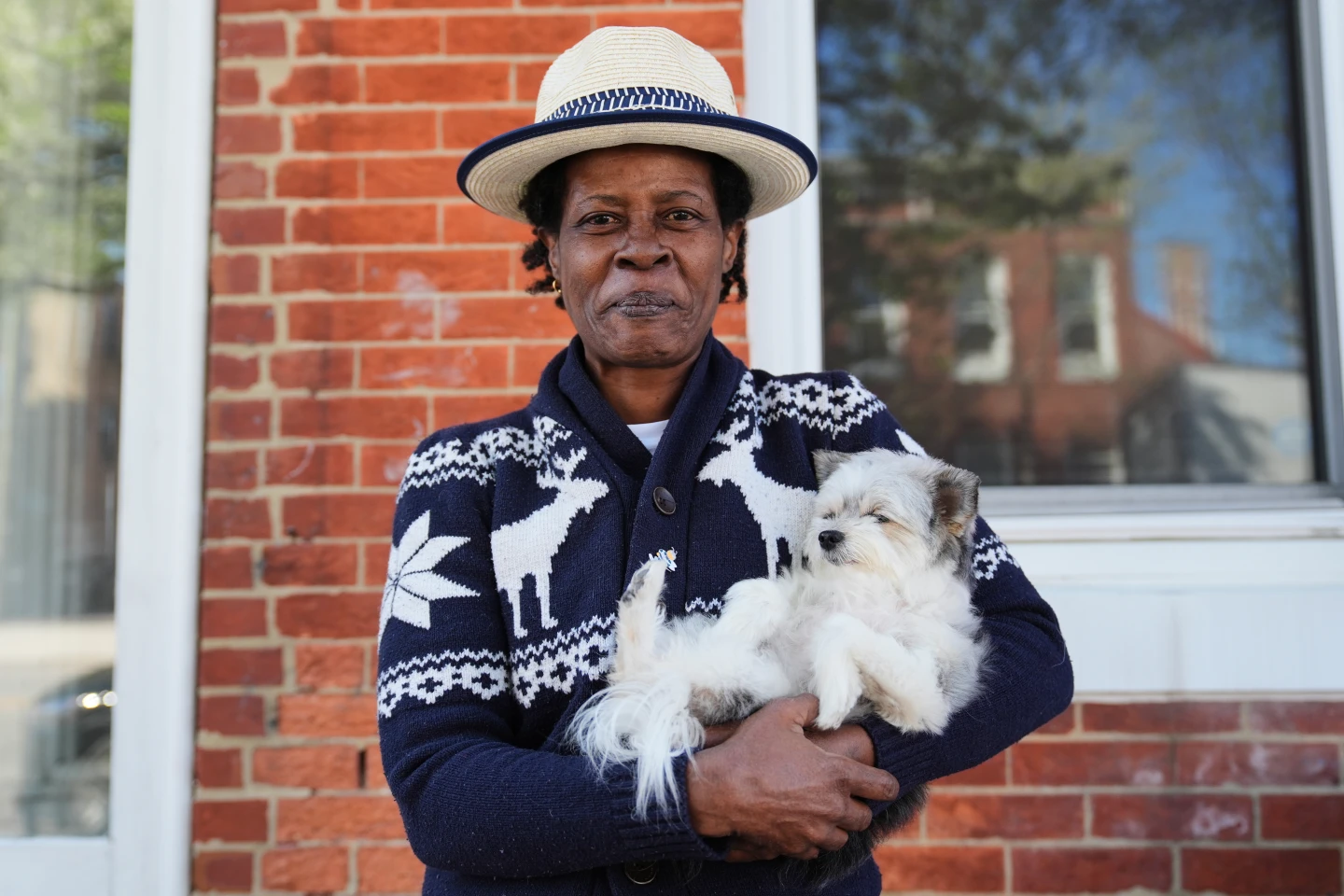
WASHINGTON (AP) — After several deaths in her family and an eviction that left her homeless, Jevona Anderson’s life began to unravel. By 2025, Anderson — then 59 and nearing completion of her bachelor’s degree — was failing classes and falling behind on bills. Eventually, she dropped out, joining a growing group of students who have left college before finishing.
Often referred to as “stopouts,” this group includes about 38 million working-age adults in the U.S. Many have student loans to pay but lack the credential of a degree to boost their earnings.
While many leave college intending to return, few ultimately do. In recent years, however, colleges and local governments have improved in helping students get back on track. The number of stopouts reenrolling has increased, reaching more than 1 million in the 2023-2024 school year, a 7% rise from the previous year, according to enrollment data.
In Anderson’s case, a scholarship made all the difference. When she was ready to return, the financial support enabled her to reenroll at the University of Baltimore.
“It was so easy for someone my age to stop, because I have a lot of professional skills to get a job to continue to just live,” said Anderson, who is interested in becoming a teacher. “It’s bigger than that.”
Small obstacles knock students off track
So why do many abandon their studies even after investing thousands? College can be time-consuming, expensive, and complicated. A small unpaid fee, confusion with forms, or balancing caregiving and work can derail even the most determined students.
“Life is always changing. Everybody is going through something,” said Nina Diggs-Pindell, a student who has stopped out several times due to parenting and work responsibilities.
Anderson first enrolled at the University of Baltimore in 2019, pursuing a degree in environmental sustainability. Her career goal solidified while substitute teaching in city schools.
“I needed to make sure that I get this degree so I can get back to them somehow, some way,” said Anderson, now 60.
However, juggling studies with life responsibilities proved challenging. Grief from losing relatives and homelessness compounded financial struggles for her, causing her academic performance to slip. After discussing her situation with a support coordinator, she chose to pause her studies.
More states step up to target stopouts
Despite challenges, states are making strides, often through financial assistance or reducing bureaucratic hurdles. After her life stabilized, Anderson benefited from a university scholarship program largely funded by the Carnegie Corporation, which helped cover her credits and living expenses.
Maryland colleges reenrolled 25,068 students for 2023-2024, a slight increase but still small compared to the massive number of adults having dropped out. Many states partner with organizations like ReUp to provide data-driven support for reenrollment.
Helping students finish takes more than scholarships
Re-engaging stopouts requires dedication, averaging 24 touchpoints before students respond. Initiatives like Colorado’s stopout scholarship showcase the power of personalized reach-outs and financial support to help students return.
Anderson is now on track to graduate this spring, and irrespective of the challenges she faced, she is determined to impact children's lives positively.
“Me and God made a pact — I am graduating this spring,” Anderson asserted.