NYC Exposes 25‑Year Air‑Quality Cover‑Up After 9/11
City officials released previously unknown documents that suggest officials rushed to downplay the toxic air surrounding the World Trade Center site on 9/11, despite early evidence that the atmosphere was dangerously contaminated.
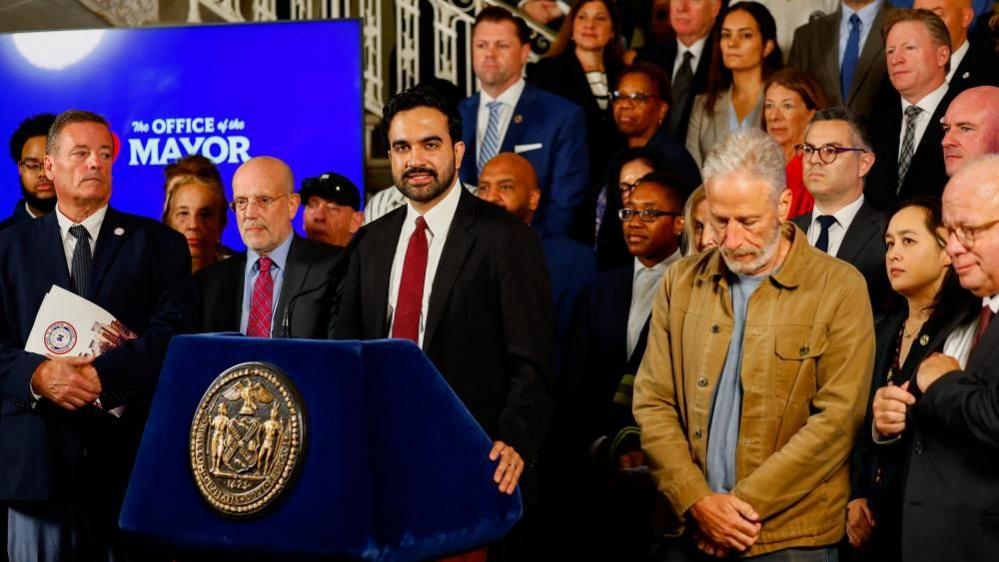
Mayor Zohran Mamdani’s press conference highlighted the scandal: the docs, organized in 68 boxes last year, show that the city knew about the risks but promised the public that breathing the air was safe. The mayor said, “People got sick because the leaders they trusted lied and told them they were safe to breathe in toxic air.”
The release comes after a lawsuit by 9/11 Health Watch forced the city to provide the records. It also fulfills a promise to the affected residents that the city’s decisions were transparent and accountable.
Among the documents is the October 2001 “Harding Memo,” issued by an aide to then‑Deputy Mayor Robert Harding. The memo warned that the city could face up to 35,000 lawsuits if it mis‑managed health advisories that led to premature returns to the downtown area.
The EPA, headed by Christine Todd Whitman, initially declared the air safe but later apologized for the misjudgment. A review by researchers shows the smoke and dust from the collapse contained hazardous chemicals that contributed to increased cancer rates among survivors.
Barack survivors and community leaders, including actor‑activist Jon Stewart, called the delayed disclosure “a 25‑year cover‑up.” Stewart noted that the city only recognized the toxic nature of the air in October 2001, three months after the attacks.
Mamdani announced the city will spend more than $34 million to digitise and publish the records via an online portal, synchronised with the anniversary. Additional documents will be released incrementally over the next year, offering a detailed account of what the city knew, when it knew it, and how it acted—or failed to act—to protect public health.
The documents bring renewed scrutiny to the long‑term medical repercussions of 9/11 and reignite discussions about the city’s role in managing emergency health information.