NCERT Restores ‘Dancing Girl’ Image After Controversial Censoring
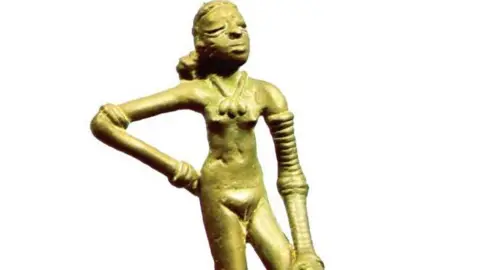
India’s National Council of Educational Research and Training (NCERT) has reversed a change made in an early edition of its grade‑nine history textbook that had covered the nude torso of a bronze sculpture known as The Dancing Girl from Mohenjo‑daro.
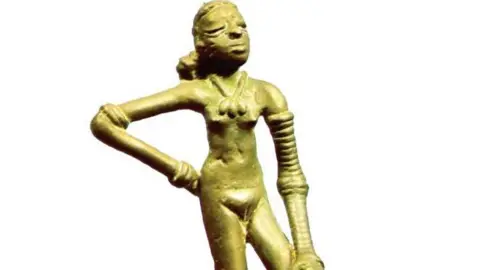
The bronze figurine, which dates back to 2600 BCE, has long been a staple of Indus Valley curricula, appearing in many earlier editions of NCERT books without censorship. The new edition, however, shaded the torso of the sculpture with a dark background that obscured its anatomical details. The alteration sparked a wave of criticism from historians, educationists and students, with groups arguing that the figure should remain unaltered to teach historical authenticity and to avoid unnecessary moral policing.
In response, NCERT has announced that the original, unedited image will be restored in both the digital version of the textbook and all forthcoming print copies. The council’s director, Dinesh Saklani, confirmed that the change will be withdrawn after consultation with experts, citing the importance of presenting historical artefacts as they truly are.
While the reason for the original modification is still unclear, media speculation points to concerns over nudity. However, the figure’s torso has never been censored in any prior edition, and the position of the sculpture—standing with one hand on its hip—captures an elegant, confident posture that has become symbolic of the Indus Valley civilization’s artistic sophistication.
NCERT’s new Arts Education Series, introduced under the National Education Policy, aims to integrate visual, performing, and literary arts into mainstream schooling. The incident underscores the growing debate over the presentation of historical artifacts in India’s educational resources, highlighting how the nation's long heritage can become the subject of contemporary cultural contention.