In brief
On Sunday former President Donald Trump announced that Russia and Ukraine had reached a ceasefire on strikes against energy infrastructure, an assertion that Ukrainian leader Volodymyr Zelensky treated as a surprise. Moscow has yet to issue a public statement, with Kremlin spokesman Dmitry Peskov offering only vague comments about ongoing discussions. Pro‑Kremlin outlets view the announcement as a one‑sided concession that limits Ukraine’s ability to target Russian oil facilities while placating Western pressure. The move raises questions about the future of Russian fuel exports to the United States and the political stake‑taking within the West, even as Moscow continues to stress its pursuit of a lasting peace that is still largely at its own discretion.
On Sunday former President Donald Trump announced that Russia and Ukraine had reached a ceasefire on strikes against energy infrastructure, a claim that Ukrainian leader Volodymyr Zelensky described as a surprise and an unusual development. Despite the announcement, Moscow has not issued a public statement on the matter, leaving the exact nature of any agreement unclear.
Kremlin spokesman Dmitry Peskov dismissed media questions with the vague reply, “Contacts are continuing,” adding that any official comment would follow once details were clarified. In contrast, pro‑Kremlin newspapers portrayed the ceasefire as a generous gesture that would primarily benefit the Russian state by preventing further attacks on its remaining oil refinery network.
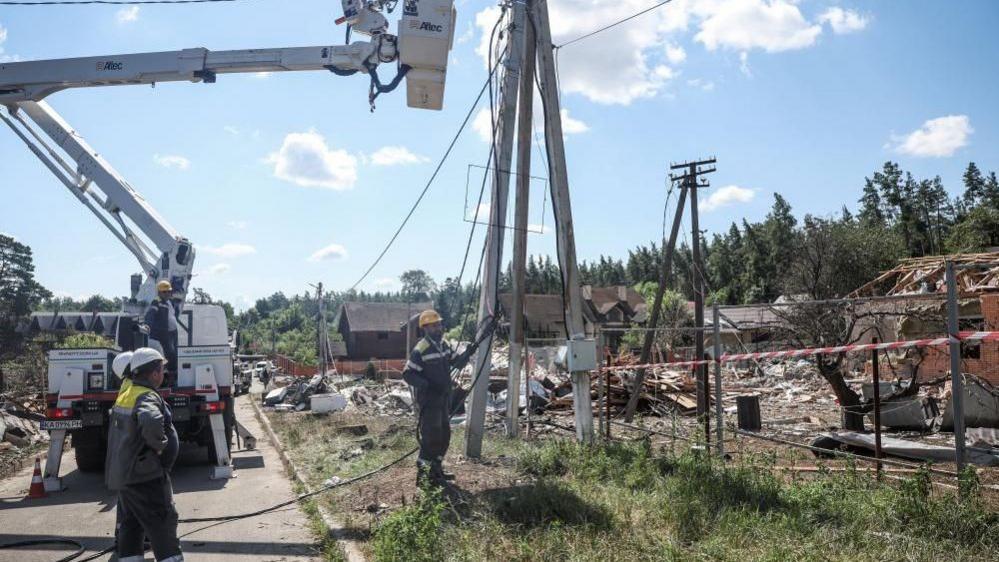
The ceasefire, if it is binding, could curb the ongoing Ukrainian drone strikes on Russian oil and gas infrastructure that have already caused significant damage and fuel shortages across the country. Critics argue that the agreement may also pressure the United States to import more Russian diesel, a move that could be viewed unfavourably by American voters and political analysts as part of President Trump’s broader strategy to influence Ukraine’s political direction.
Moscow’s silence is widely interpreted as a tactical pause full of calculation: it avoids publicly confirming a concession that critics say simply ties Ukraine’s hands and leaves Russian officials free to continue targeting energy assets while maintaining the pretext of seeking “lasting peace.” Russian officials have signalled that any ceasefire would have to be short‑term and heavily focused on political objectives, not on a substantive halt to combat.
The situation remains fluid, with the United States and Ukraine monitoring developments closely as Moscow’s official response—or lack thereof—could shape the next phase of the conflict and the broader energy strategy in the region.
Source: BBC, Reuters