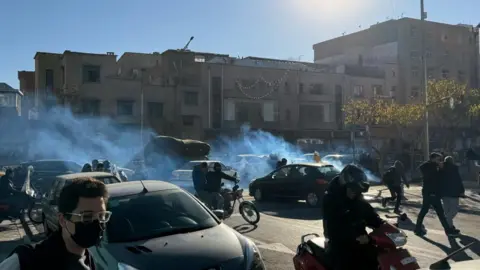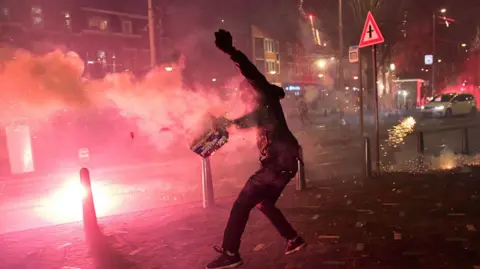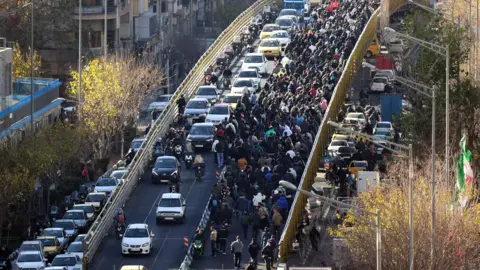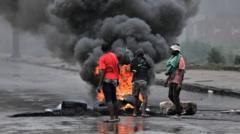
Mozambique is poised for a tumultuous transition of power as newly elected President Daniel Chapo is set to be sworn in on Wednesday, over three months after contested elections sparked significant unrest in the country. Protests have erupted nationwide, with demonstrators voicing claims that the election was manipulated, leading to a potential "national strike" on Chapo's inauguration day.
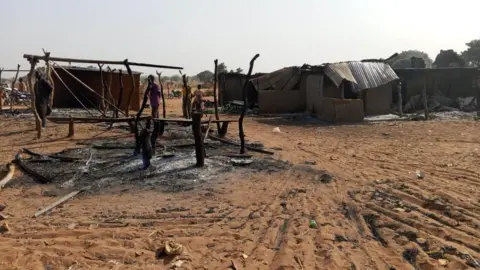
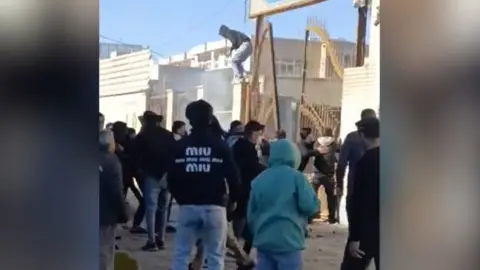
Chapo, at 48, triumphed with 65% of the votes, yet opposition parties, electoral observers, and a concerned public assert that the electoral process was fraught with irregularities. The backlash against his election has resulted in a mixture of peaceful protests and violent outbursts, causing significant chaos, including deaths and property destruction.
Chapo's most prominent opponent, Venâncio Mondlane, has made a comeback from self-imposed exile in South Africa, where he claims to have survived an assassination attempt. Mondlane has urged citizens to take to the streets on the day of Chapo's inauguration, declaring their collective stance against what he terms "the thieves of the people." Both major opposition parties, Renamo and MDM, announced a boycott of Wednesday's official ceremony, aligning themselves with the notion that Chapo lacks legitimate authority.
Even among those within Mozambique hoping for Chapo's success, doubts persist regarding his legitimacy. Civil society activist Mirna Chitsungo expressed admiration for Chapo's qualities, but noted the challenges he will face, all stemming from an "illegitimate power." She echoed sentiments from many that the president-elect assumes authority amid widespread discontent.
In addition to needing to mend relations with an aggrieved populace, Chapo faces the monumental task of delivering on his economic promises and addressing rampant corruption, which he highlighted during his campaign. Analysts have stressed that Chapo will encounter considerable opposition due to the influence of various cartels operating in Mozambique, and the urgency of restoring public trust and peace is paramount.
Daniel Chapo's past includes a diverse career as a radio and television host, a legal notary, and a provincial governor. He has a reputation for humility and diligence, but as he takes office, he must confront the reality of leading in a politically charged environment. Analysts predict that addressing entrenched issues such as political corruption and public discontent will be critical to his presidency.
Chapo's challenge is compounded by the reality that he is the first president of Mozambique without a history of involvement in the country's independence struggle, which shapes his presidency's unique context. As he acknowledges in his public statements, reforming electoral laws and fostering economic recovery are high on his agenda, but whether he can successfully navigate these treacherous waters remains uncertain.
The clock is ticking for Chapo as public grievances mount, and the specter of unrest looms larger in anticipation of his leadership. Engaging constructively with opposition figures like Mondlane could provide a necessary avenue for reconciliation. In a nation where political change is often fraught with complexity, Chapo's ability to unite Mozambique's followership will be crucial to shaping the new chapter in the country’s governance.