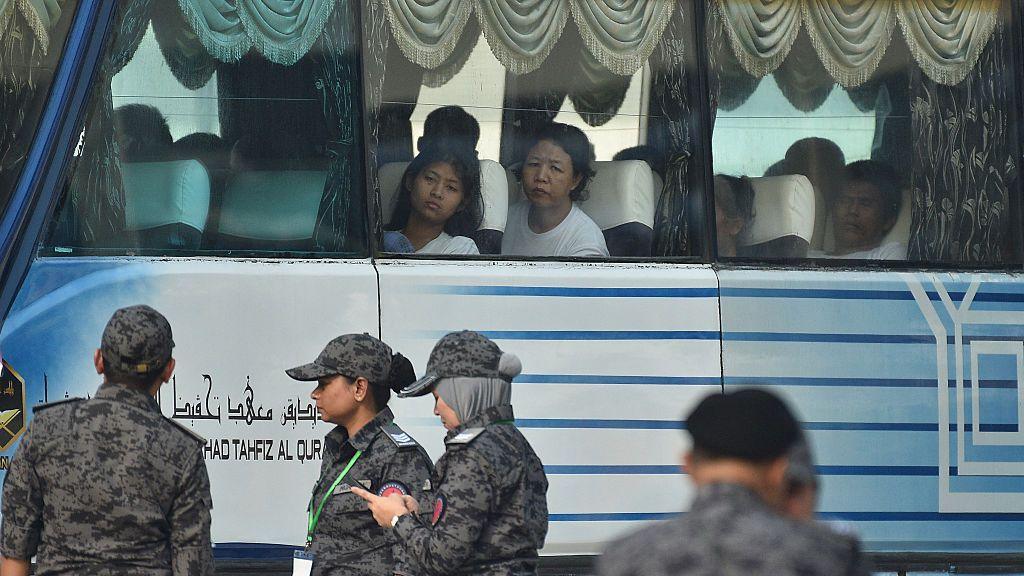
Malaysia Commences Controversial Repatriation of Rohingya Refugees to Myanmar

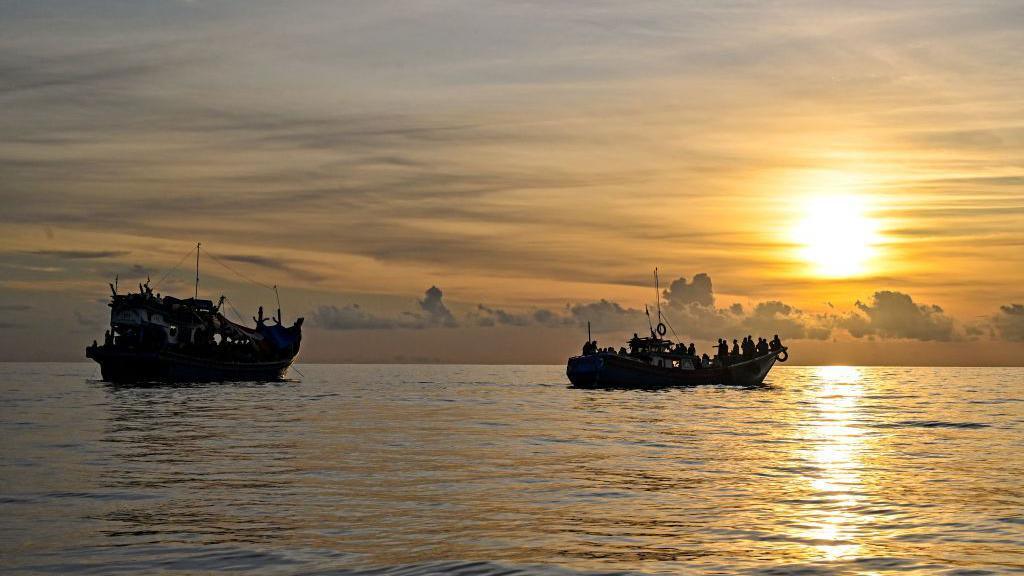
The Malaysian government has launched a controversial plan to send around 5,000 asylum seekers from Myanmar back to their homeland. The move follows an agreement with Myanmar’s military ruler Min Aung Hlaing, and the first batch of 1,476 people will travel under the command of three Myanmar Navy vessels that are set to depart later today.
Human‑rights organisations have condemned the operation, warning that the returnees – many of them Rohingyas, a persecuted Muslim minority – could face violence, persecution and forced conscription into Myanmar’s army. Malaysia’s authorities say the repatriation is voluntary, yet they have barred the UN refugee agency from inspecting or screening those in detention centers.
Prime Minister Anwar Ibrahim said the flights would bring back people who have “built homes here and taken jobs” but also highlighted the growing public hostility toward the Rohingya community. He added that he must “respond to the will of the people,” though critics view the decision as a betrayal of the liberal values he once championed.
The policy marks a decisive shift in Malaysia’s approach to the refugee crisis. Three factors are cited as drivers: economic pressure on lower‑income Malaysians following the pandemic, and a turbulent political landscape dominated by fragile coalition governments since the 2018 election that has weakened unified policy positions.
Shifting Public Sentiment
Historically, Malaysians showed strong sympathy for Rohingyas fleeing violence in Rakhine State, a sentiment that hardened during the COVID‑19 pandemic. Social media campaigns in 2026, triggered by false reports of land and citizenship requests, sparked petitions calling for mass deportation, reflecting the increasing “burden” narrative promoted by political rivals.
The government’s hardline stance has been reflected in raids on communities perceived to harbour illegal immigrants, and in statements from Anwar asserting that the Rohingyas are a security and economic burden that must be expelled.
Political Pressure on Anwar Ibrahim
Once hailed as a champion of liberal values, Anwar now faces fierce criticism for the repatriation. Critics accuse him of abandoning principles and compromising humanitarian commitments for political survival. With his popularity falling sharply and his coalition under strain, analysts suggest the prime minister may be forced to call a general election earlier than planned.
Challenges of Returning to a Hostile Homeland
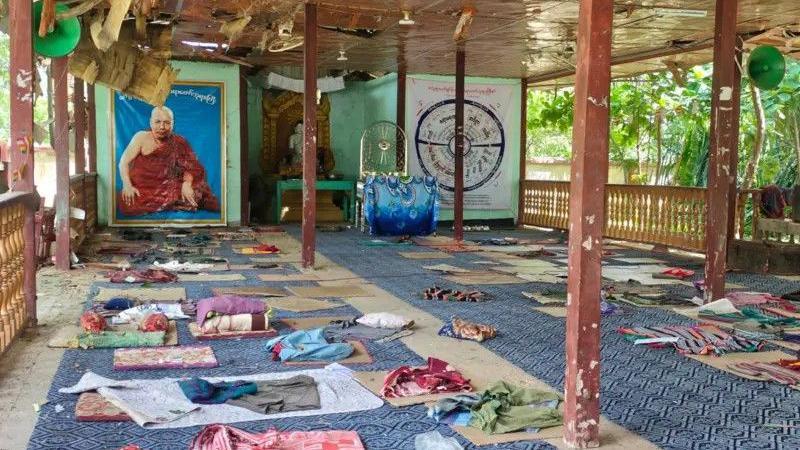
Rohingyas cannot freely travel within Myanmar, and those who might return face the risk of being conscripted into the civil war, or of landing in camps in Rakhine State that are under the control of the insurgent Arakan Army and are subjected to heavy bombardment. The only potentially safe destination, the provincial capital Sittwe, remains besieged and isolated, with severe shortages of food and medicine.
Neither Malaysian nor Myanmar officials have clarified how these obstacles will be overcome or how the repatriation aligns with humanitarian principles. Rohingya advocacy groups insist that the survivors should be allowed a choice of return, not a forced exit, and must be treated with dignity and respect during the process.