In brief
As Canada goes to the polls, the focus shifts to the opposing strategies of Prime Minister Mark Carney and Conservative leader Pierre Poilievre in facing Trump’s trade aggression.
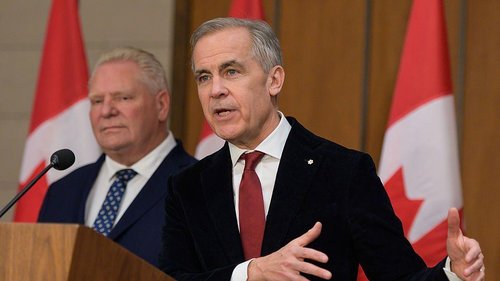
As Canadians head to the polls today, the outcome of this pivotal election could significantly impact trade relations with the United States. The dispute centers around President Trump’s imposition of tariffs on key Canadian imports and his controversial comments regarding Canadian sovereignty.Two main candidates are vying for leadership: incumbent Prime Minister Mark Carney of the Liberal Party and Pierre Poilievre, leader of the Conservatives. Throughout the election cycle, both have positioned themselves as strong adversaries ready to confront the challenges posed by the Trump administration.In a recent debate, the question of starting points for negotiations with the White House loomed large, with Carney emphasizing the need for firm diplomatic engagement. He pledged to impose retaliatory tariffs against U.S. goods, while Poilievre echoed this sentiment, suggesting that such measures are essential to deter further trade violations by the Trump administration.The economic fallout from Trump’s tariffs has been palpable, leading to apprehensions regarding job losses and factory closures among Canadians. This has fostered a surge of national pride and resentment towards the United States, Canada’s largest trading partner, starkly diverging from Mexico’s cautious diplomatic stance. Carney plans to diversify trade relationships by reaching out to European leaders, while Poilievre champions energy exports, aiming to enhance pipeline infrastructure that connects Canadian resources to new markets. Both candidates are united in their push for creating domestic manufacturing capabilities, notably aiming for “all-in-Canada” auto parts production to circumvent current supply chain issues.Despite their common ground in addressing the trade dispute, neither candidate has laid out comprehensive, actionable plans. Carney relies on his extensive economic background to frame his capability as a negotiator, while Poilievre, who initially campaigned on domestic issues such as crime and inflation, has shifted focus towards international trade in light of the tariff crisis.Polls suggest that as the election draws near, the Liberal Party maintains a slight advantage, possibly securing a stronger presence in the House of Commons. As Canada votes, the country's approach towards U.S. trade policies and its international standing hangs in the balance.