
In brief
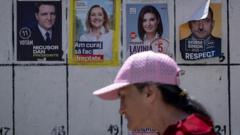
In Bucharest, Romanians are casting their votes once again, with the winds of change stirring in the aftermath of a controversial election. Six months after the first presidential election was called off due to accusations of campaign fraud and Russian meddling, voters are returning to the polls with a mix of hope and skepticism. The frontrunner, George Simion, represents the nationalist Alliance for the Union of Romanians and will face off against three centrist candidates. The backdrop of this election carries great weight, as it not only reflects the internal political struggle of Romania but also its strategic role within NATO and its relationships with key allies, including the United States, Ukraine, and the European Union.
As Romania readies for a pivotal presidential election, the remnants of a scandal that annulled the last vote loom large. Today, voters will decide who will lead the country, with national pride and political alignment hanging in the balance. In the previous election held on November 24, 2022, radical outsider Calin Georgescu emerged as a significant contender but was barred from participating in the rerun, following his win’s cancellation due to serious allegations of fraud and foreign interference. This led to strong backlash and criticism from key international figures, including U.S. Vice President JD Vance.Today, George Simion leads a diverse field, competing against three main centrist candidates: Nicusor Dan, the current mayor of Bucharest; Crin Antonescu from the ruling coalition; and independent candidate Elena Lasconi. The election is crucial for Romania’s international relations, especially as it serves as a strategic transit corridor for military support to Ukraine. Polling suggests Simion may emerge as the frontrunner, but should no candidate secure over 50%, a runoff is expected on May 18. Simion's campaign has resonated with voters frustrated over Romania's financial commitment to supporting Ukrainian refugees, positioning him as a radical alternative. However, polls also indicate a potential shift towards centrism, with some voters preferring continuity over political turbulence. The broader consequences of this election stretch beyond Romania’s borders. The outcome will be closely monitored in European capitals and Washington D.C., as strategic interests hang in the balance. While support for Ukraine has been a significant part of the geopolitical landscape, some analysts express concern that a Simion presidency might signal a shift away from NATO's agenda in Eastern Europe. For many voters, the stakes are not just about policy; they embody a sense of national identity and self-determination amidst regional instability and external pressures.As crowds gather at the presidential residence, the mood reflects a blend of optimism and apprehension. The popular sentiment is that while tensions may linger, Romanians aspire for progress and a resolution to deep-seated political frustrations. Young voters, particularly, seek a government responsive to their demands for transparency and reformed governance, marking this election as a potentially transformative moment in Romanian democracy. With the pressure mounting and opinions swirling, the question remains: who will ultimately guide Romania on its next chapter, and what implications will their leadership hold for the country and its place in the world?

