Leipzig Airport Drone Bomb Raises Fears of Russian Hybrid Warfare
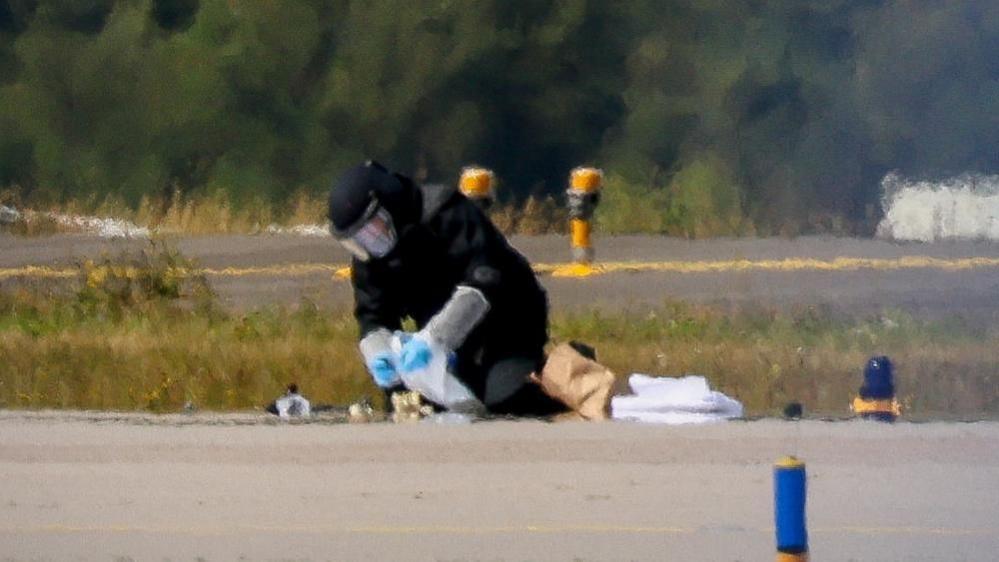
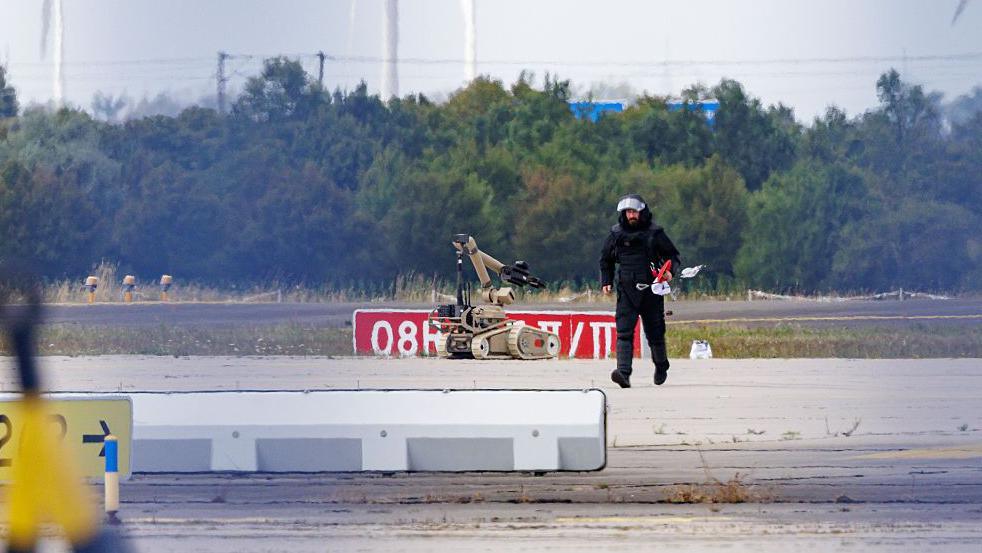
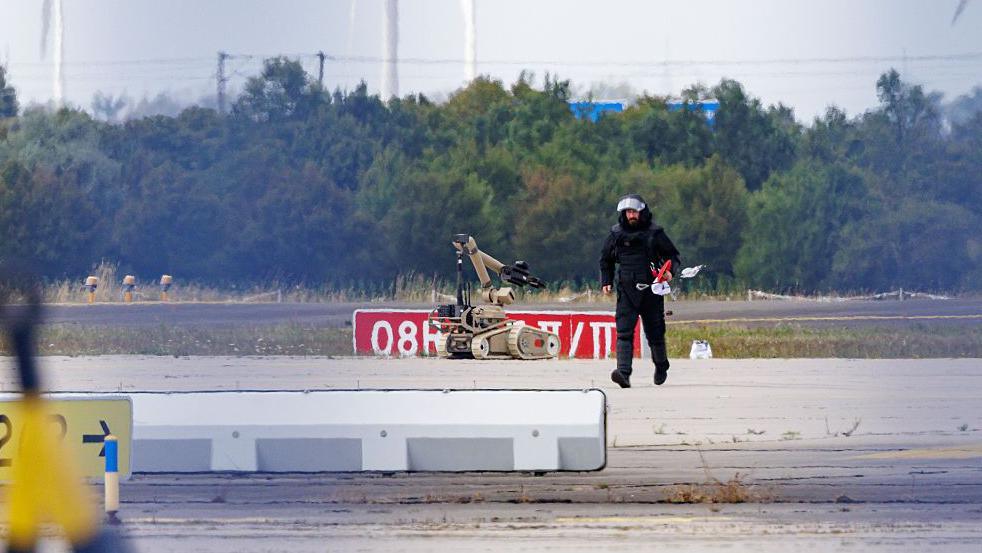
The night of 5 August 2026 a small quadcopter, its casing leaking oil and carrying a suspected explosive charge, was discovered on the tarmac at Leipzig/Halle Airport. The device, dropped or abandoned between two Ukrainian Antonov cargo aircraft, forced the closure of one runway and saw the arrival of a bomb‑disposal robot that removed the fragile detonator.
Who might be behind it?
Russian officials have denied any involvement, but German prosecutors and intelligence agencies point to a chain of events that could indicate a Russian-backed effort. In 2024, a parcel containing an incendiary device exploded at a DHL hub at the same airport, with similar cases later in the UK and Poland. The package carried 6 kg of RDX‑based explosives and was allegedly smuggled in food cans, hidden headphone sets and drone parts. Those items are believed to have crossed from Russia’s Kaliningrad exclave into the EU.
The Propagate Network
Interpol and EU police have identified nearly two dozen suspects linked to a group of men interviewed in Lithuania and Poland. One Ukrainian suspect, Vladyslav D., admitted to transporting drone components and explosives in “hidden audio case” containers while being paid in cryptocurrency. The details of how these items were finally delivered to the Leipzig airport remain under investigation. A 2024 agency report also suggested the drones and explosives were being transported in plain packaging—sweetcorn cans, spiral‑taped bags—making them difficult to spot.
Implications for Europe
If the plot is linked to Moscow, investigators caution that it may be a psychological threat rather than a direct damage operation. A Berlin-based explosives specialist explained that a small Semtex payload could dent an aircraft without catastrophic failure. Nonetheless, the presence of a drone bomb at a major European airport sends a stark message to governments, suppliers and the public. “It says, ‘We can strike you in the skies, it can be harder tomorrow,’” said an intelligence analyst.
International Reactions
The incident was met with cautious responses from Ukrainian flight operators and NATO officials. The head of the Russian opposition watchdog warned of a surge in hybrid attacks. “If Ukraine changes the battle’s balance, Russia may respond by making Europe afraid through covert devices,” warned a strategist. Meanwhile, sanctions and diplomatic pressure remain in place, and airports across the continent are reviewing their drone‑detection protocols.
Footnote: The details below are pieced together from public statements by German prosecutors, EU police reports, and credible press sources. No conclusive evidence has tied the Leipzig drone to Russia, but the pattern of prior attacks suggests a possible link that investigators are pursuing.