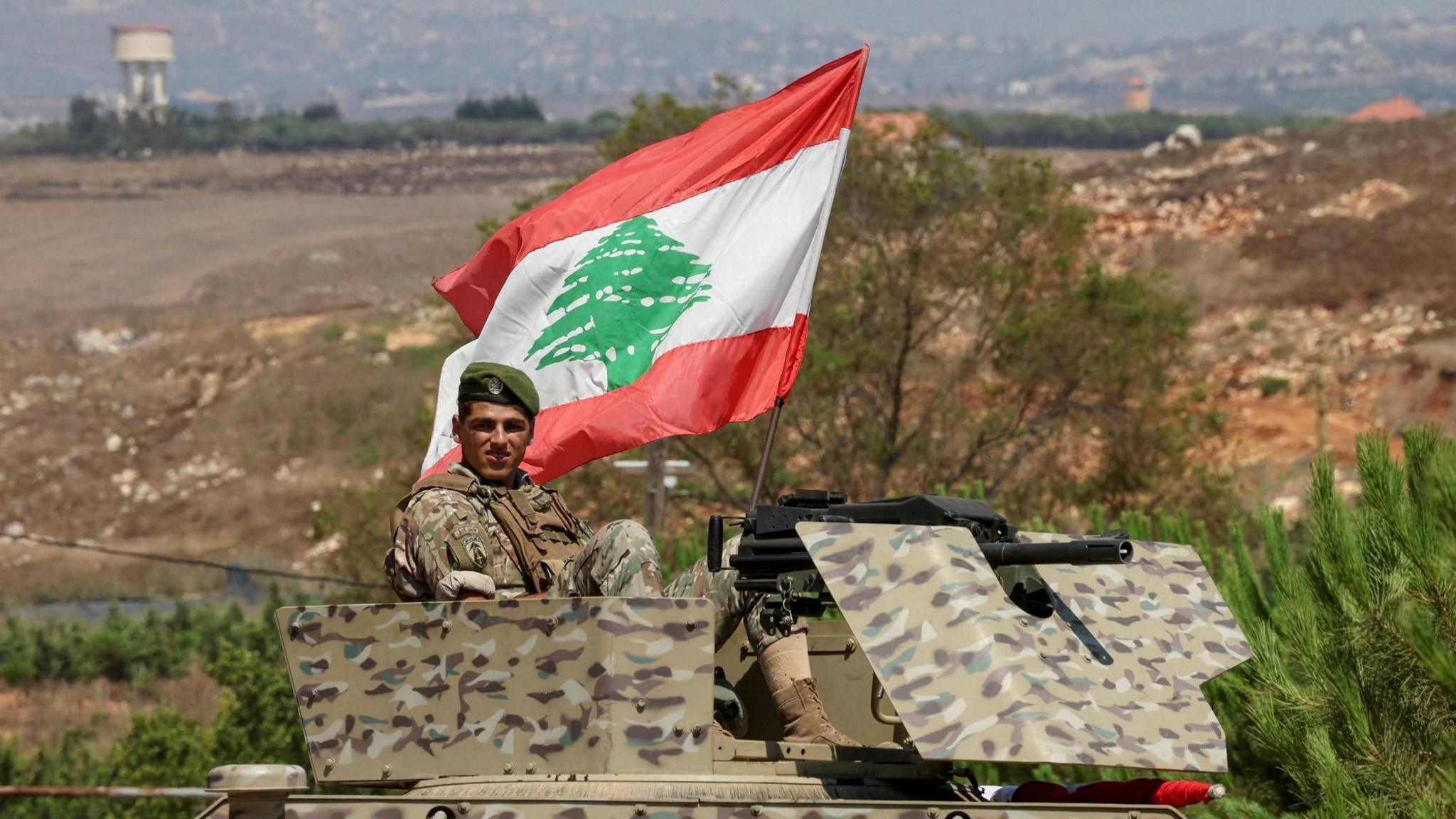
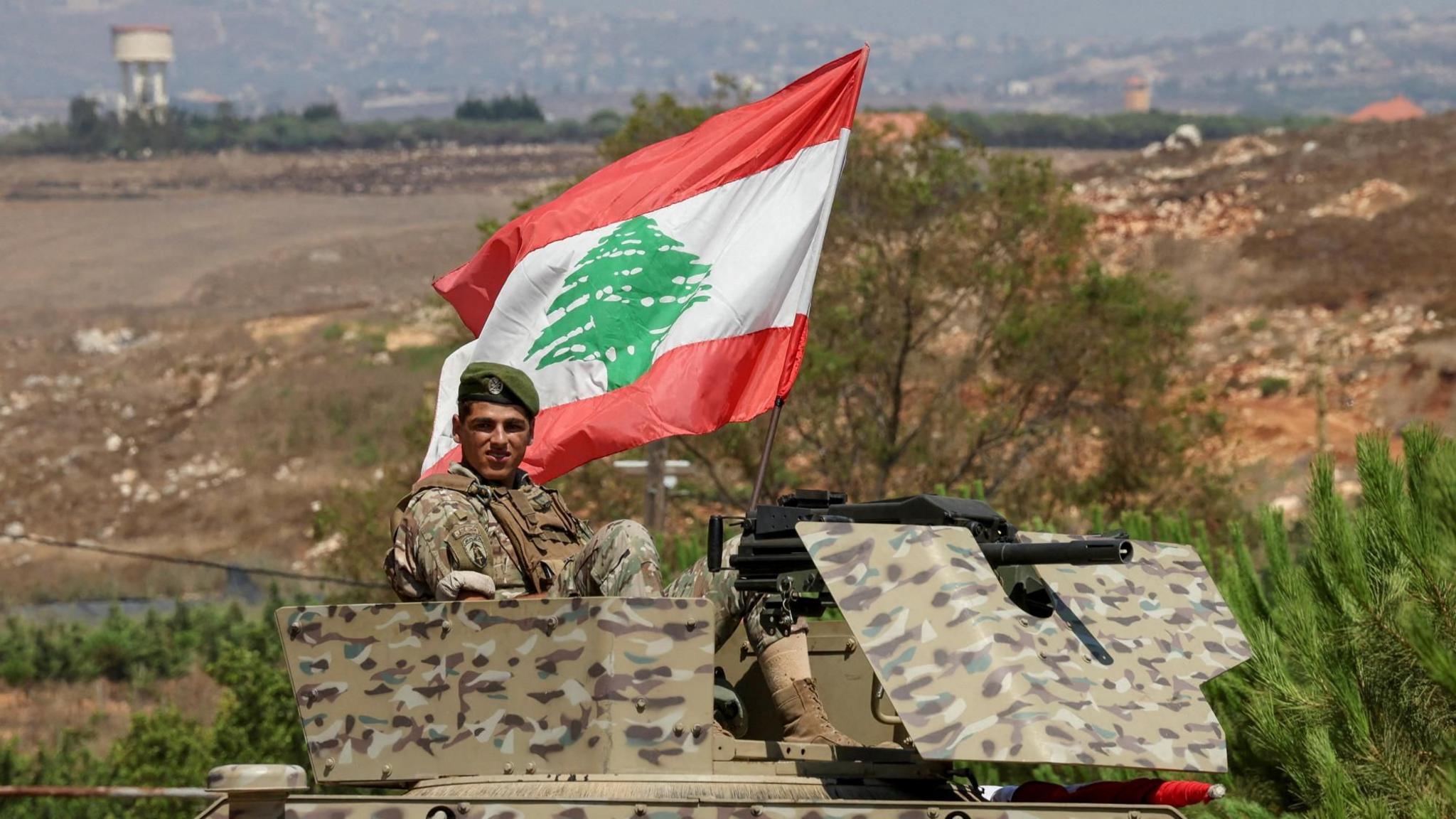
Lebanon readies army for ‘pilot zone’ as Israel withdraws
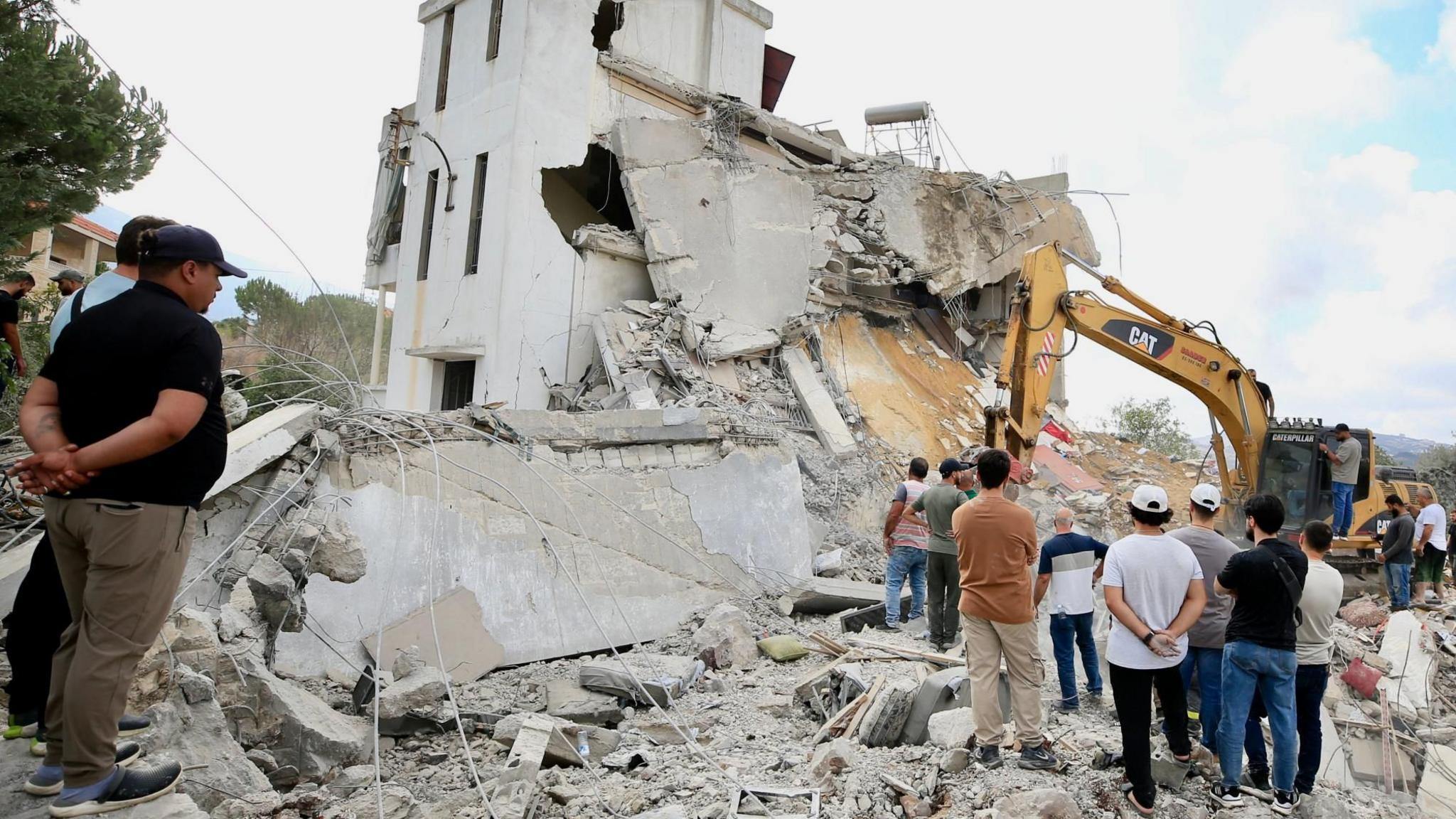
After Israel pulled troops from a 10‑km strip south of the border, the Lebanese army began moving engineers into Zawtar al‑Gharbiyeh, the first of several designated “pilot zones.” The move follows a US‑brokered framework that ties the presence of Hezbollah in the region to the speed of Israeli disengagement.
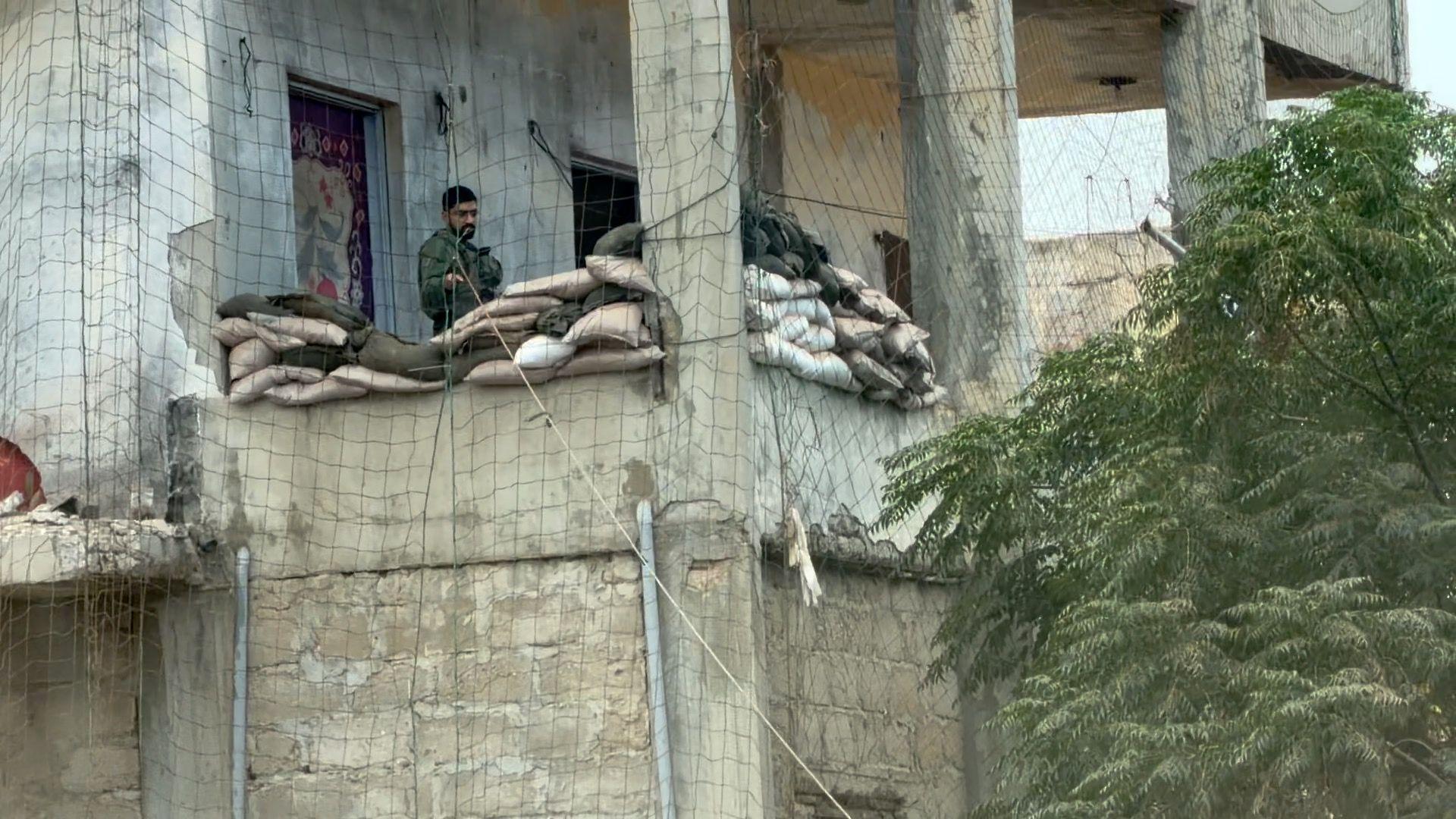
According to the Lebanese army command, the engineering units entered the village on Tuesday morning based on ongoing communication with the Military Co‑ordination Group for Lebanon—a trilateral body established to support the framework’s implementation. The army also urged residents not to visit the area until security conditions improve.
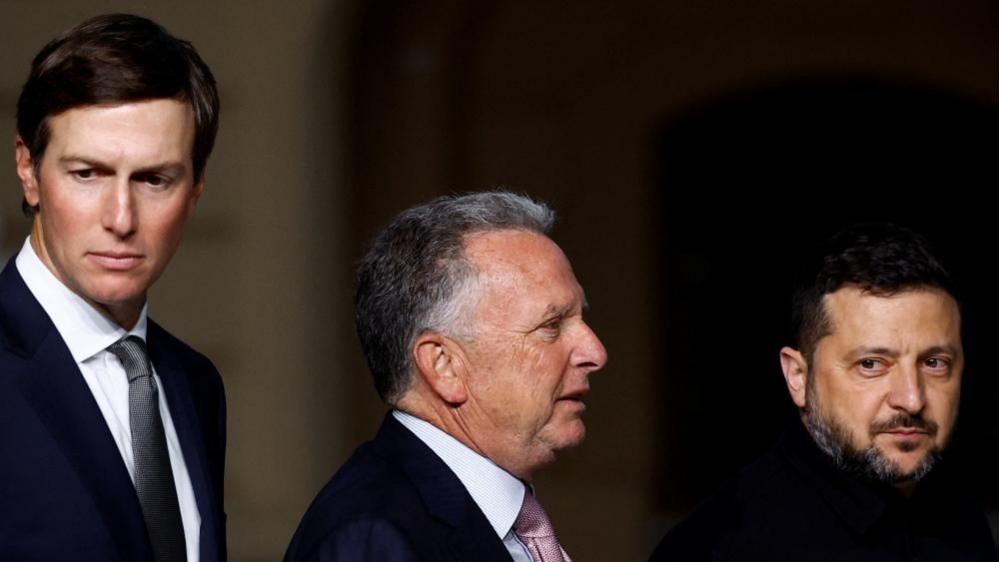
"I told him [Trump] I need two things from you: political support and supporting the LAF," President Joseph Aoun told reporters in the Oval Office.
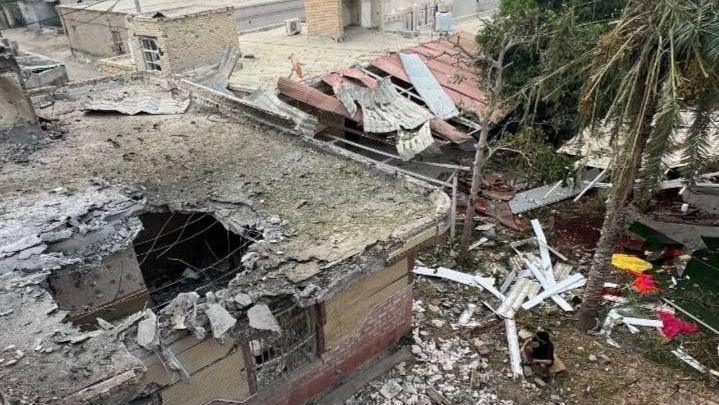
Later, the army said Israeli forces opened fire in the vicinity of the troops, a claim Israel denied, stating that its soldiers fired warning shots after the Lebanese units “crossed approximately 150m into the security zone.” The Lebanese side claims the troops withdrew promptly and no injuries were reported.
The US State Department confirmed that “pilot zone operations” had begun in Zawtar al‑Gharbiyeh, as well as in Froun and Srifa, marking a milestone that the department described as a direct result of last week’s Rome talks between Israeli and Lebanese representatives.
An Israeli military source noted that the IDF would adjust its posture in one pilot area to allow the Lebanese army to conduct its mission while “safeguarding the security of IDF soldiers and preserving its right to self‑defence.” At the same time, Israeli officials reiterated that the IDF would remain in the “security zone” for as long as necessary to defend northern Israeli communities.
The truce has, however, been met with caution from Hezbollah, which rejected the agreement, arguing that Israel will not fully withdraw until the group is disarmed. Human rights organisations also warn that some Israeli strikes in the occupied territory have targeted civilian infrastructure—a possible war crime.
More than 4,300 people—including children, women and medics—have been killed in Lebanon since the 2026 conflict began, according to the national health ministry, while Israeli casualties stand at 37 soldiers and four civilians on both sides.
The deployment of Lebanese troops into the pilot zones represents an uncertain but significant step toward restoring sovereign control. Whether the UN and other international actors will intervene depends largely on how events unfold, with the potential for an abrupt escalation if either side deviates from the agreement.
© 2026 OnPointInfo.news – reporting by David Gritten and Bernd Debusmann Jr.