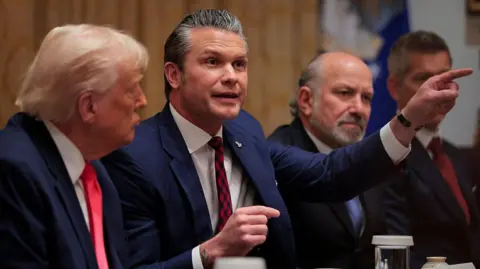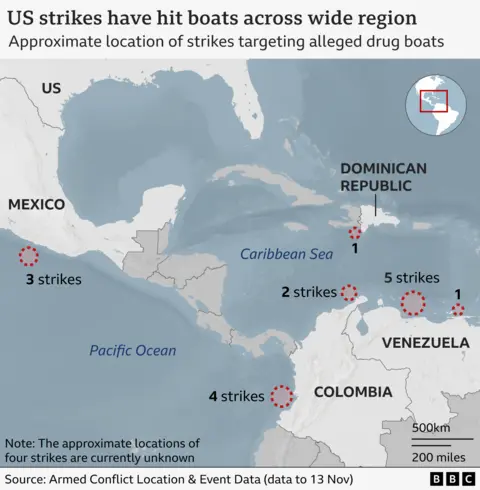
US lawmakers are pressing the Trump administration for answers about military strikes on suspected Venezuelan drug boats, following a report alleging that a follow-up strike was ordered to kill survivors of an initial attack.
Republican-led committees overseeing the Pentagon have vowed to conduct 'vigorous oversight' into the US boat strikes in the Caribbean, after it was reported that a US strike on a boat on September 2 left two survivors. Allegedly, a subsequent attack was ordered to comply with Defense Secretary Pete Hegseth's directives to 'kill everybody' on board, raising serious legal questions.
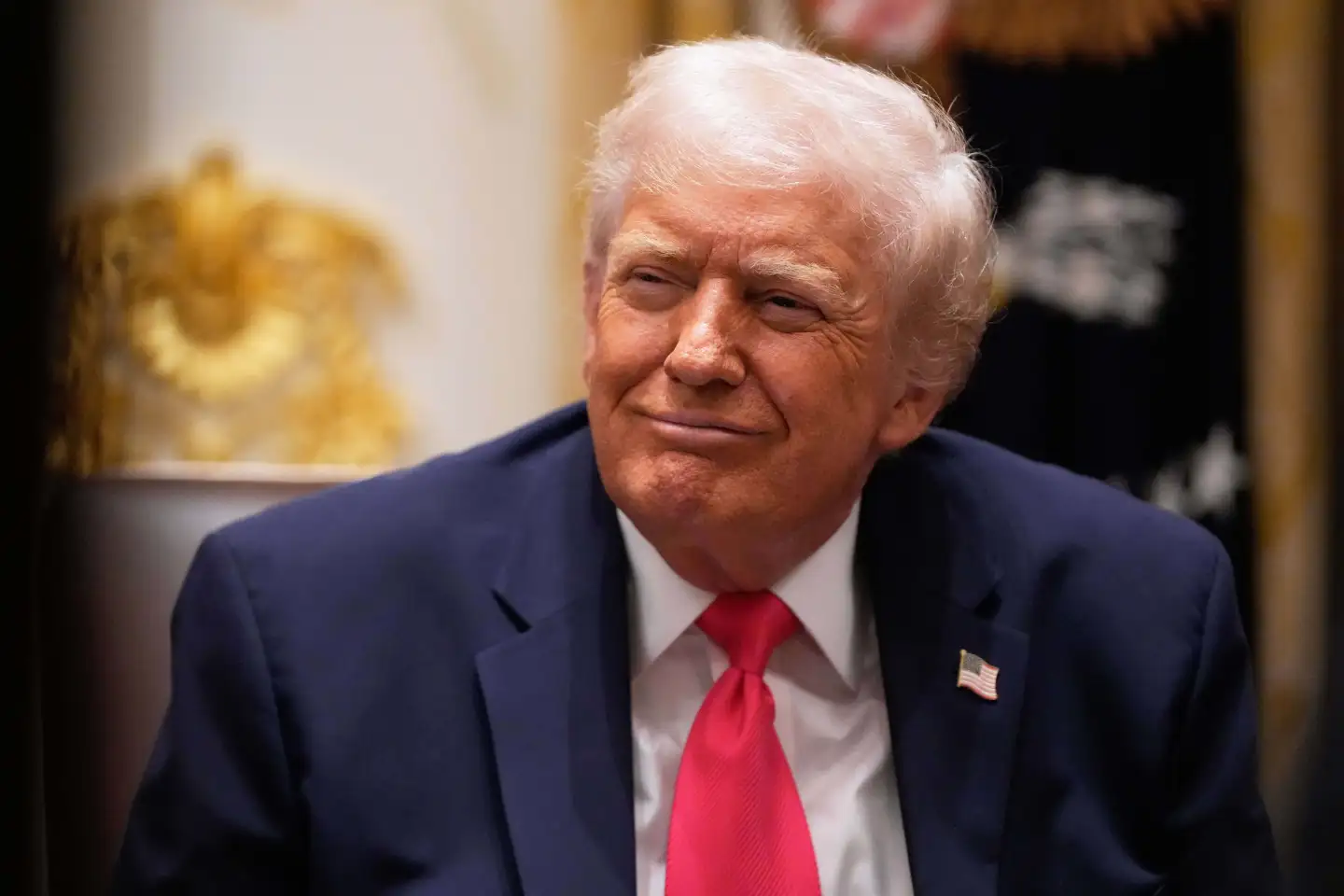
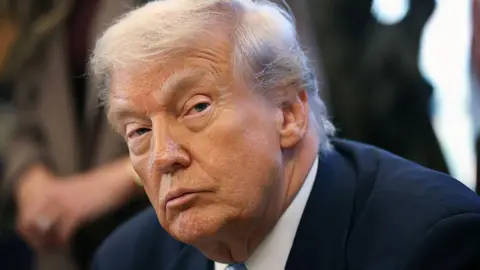
Hegseth called the report 'fake news.' On Sunday, President Donald Trump expressed his full support for his defense secretary, claiming he believed his account of events.
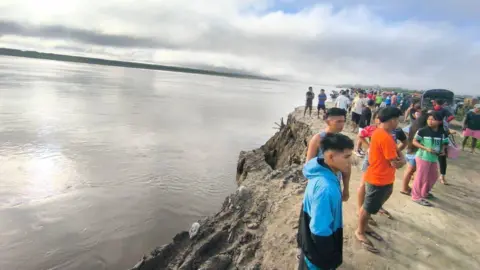
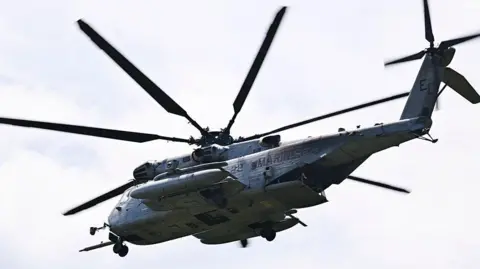
The Pentagon has intensified military presence in the Caribbean, conducting lethal strikes against suspected drug-trafficking vessels in international waters near Venezuela and Colombia, resulting in over 80 deaths since September.
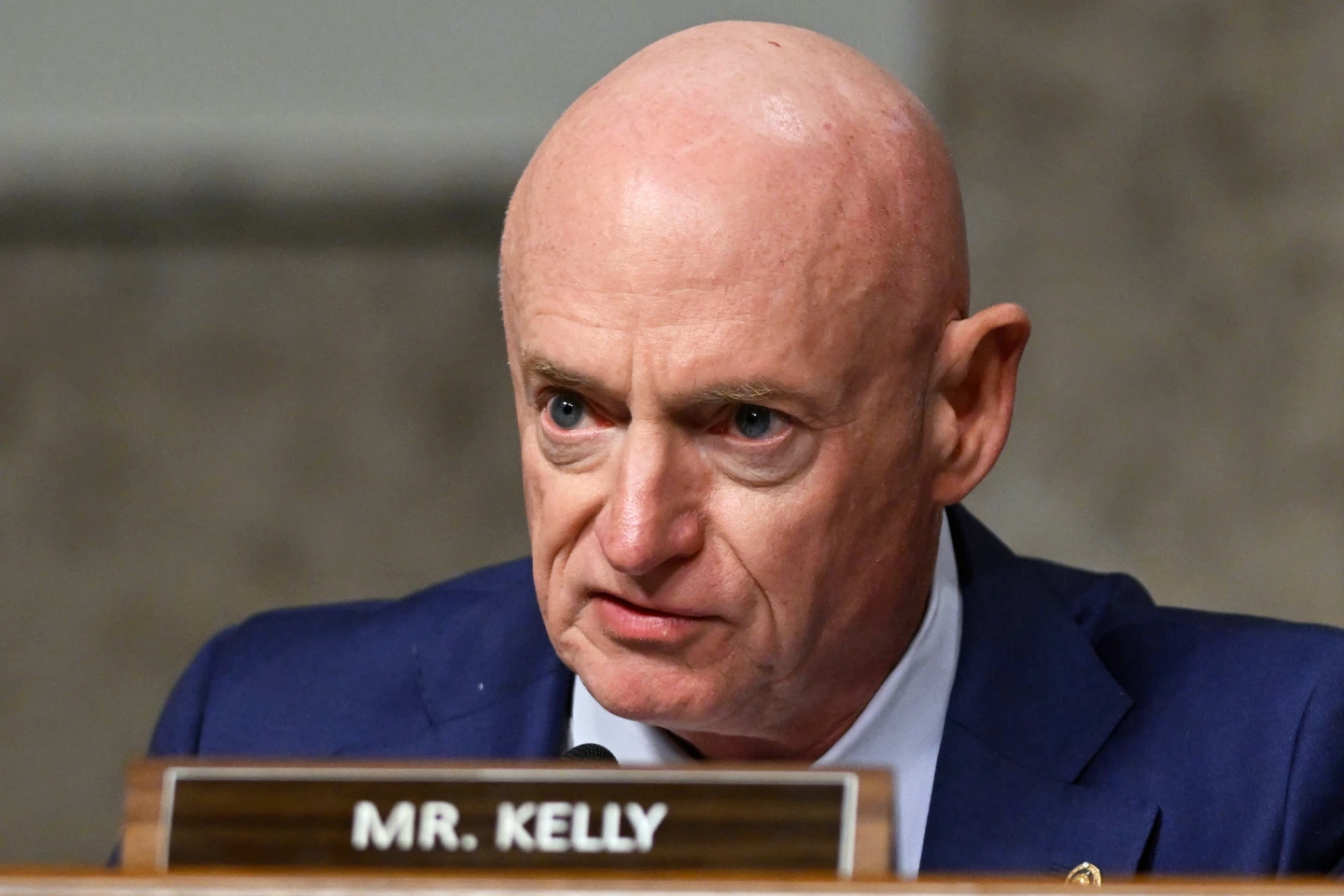
Lawmakers from both parties are now calling for investigations, highlighting the potential legal implications. Senator Tim Kaine stated that if true, these actions could constitute a war crime, while Republican Mike Turner acknowledged the seriousness of the allegations.
The Senate Armed Services Committee and House Armed Services Committee have announced plans for bipartisan oversight to gather a complete accounting of the military operation.
Hegseth asserts that all engaged targets are affiliated with designated terrorist organizations. Yet, the legality of targeting wounded survivors contradicts ethical engagement standards outlined in the Geneva Conventions, which stipulate they must be captured and treated.
The situation escalated further following condemnation from Venezuela's National Assembly, which is initiating its own investigation into the attacks.
Recent discussions with Venezuelan President Nicolás Maduro remain vague, with Trump refusing to characterize the outcome. The US's military operations continue to face intense scrutiny regarding their legality under international law, particularly in light of the United Nations Convention on the Law of the Sea, which governs actions taken in international waters.