In brief
During a routine flight from Atlanta to Dallas, a laptop in a passenger’s carry‑on caught fire, sparking smoke and a small blaze in the rear cabin. The pilot reported the incident to air traffic control and declared a cabin fire, but the aircraft ultimately landed safely at Dallas‑Fort Worth International Airport. Emergency personnel arrived immediately, treating one passenger who had been burned before being released to a medical facility. The Federal Aviation Administration (FAA) has warned that lithium‑ion batteries—common in laptops and portable chargers—can overheat or ignite if damaged or improperly packed, a risk that regulators are tightening across the industry.
A mid‑air laptop fire during American Airlines Flight 2398, operating from Atlanta to Dallas‑Fort Worth, exposed passengers to smoke and caused burns to one individual. The pilot, following airline procedure, immediately reported a "cabin fire in the back of the aircraft" to air traffic control and asked flight attendants to extinguish the flare, as recorded in audio transmitted to the BBC.
Emergency crews averted a potential catastrophe by receiving the aircraft promptly at the airport and providing medical treatment to a passenger who sustained third‑degree burns. The passenger was later released following a brief assessment. Authorities confirmed that the fire was contained within the rear cabin and did not threaten the structural integrity of the aircraft.
The incident underscores a growing concern over lithium‑ion batteries, which power laptops, power banks and e‑cigarettes. The FAA repeatedly warns that unsealed, damaged or overheated batteries may ignite, as documented in 58 confirmed lithium‑battery incidents in 2026 alone—35 involving laptops and 23 involving power‑bank packs. These statistics span more than two decades, during which 84 laptop‑related fires were recorded.
Travelers are advised to keep batteries in carry‑on luggage, keeping them disconnected from any charged device and sealed to prevent accidental short circuits. In violation of the FAA regulation, some airlines have begun to enforce batteries' placement in dedicated compartments.
A similar incident earlier this year involved EasyJet flight CGx from Cairo to Rome when a passenger’s power bank was found charging in the hold. The flight had to divert to Rome and was rescheduled for the following day, further highlighting the risk posed by portable chargers.
The Civil Aviation Authority in the United Kingdom has issued warnings about the "serious risks" associated with portable chargers, calling on passengers to avoid charging devices while in flight unless explicitly permitted.
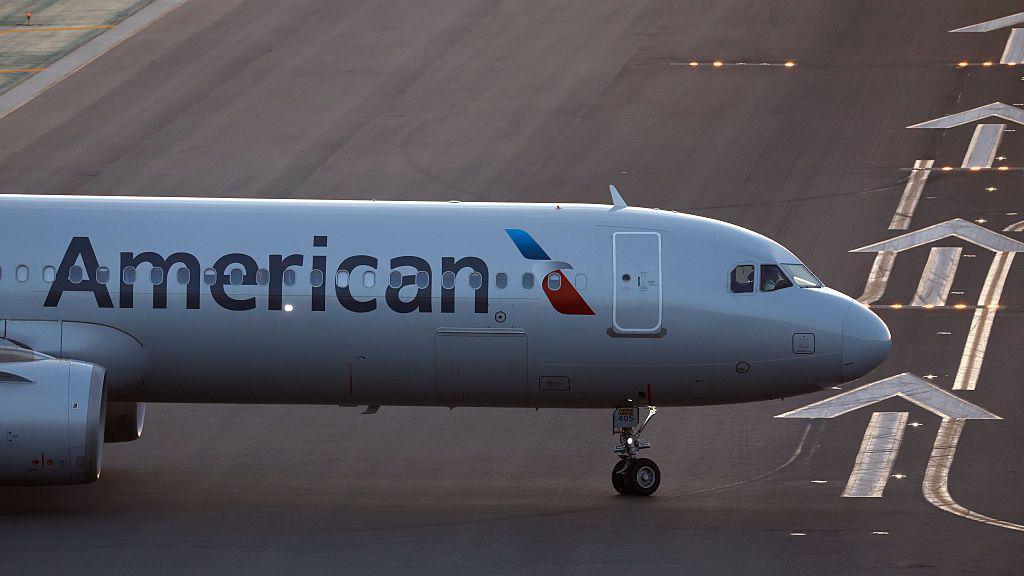
The airplane, an Airbus A321, landed safely at Dallas‑Fort Worth International Airport after crew successfully extinguished the fire. investigators are still assessing whether the laptop’s battery had been damaged prior to boarding or if an in‑flight fault triggered the ignition.
While the passenger incident was resolved with minimal harm, regulatory bodies are looking to impose stricter oversight on lithium‑ion batteries, aiming to reduce the frequency of such events. Airlines worldwide are expected to refine battery storage protocols, certify devices, and update safety training for crew.