
In brief
The recent revival of ties between Bangladesh and Pakistan, following the political upheaval in Dhaka, signals potential shifts in South Asian geopolitics, especially for India, which is monitoring the developments closely.
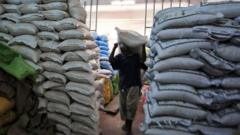
The evolving relationship between Bangladesh and Pakistan is stirring uneasiness in India. Following the politically charged environment that resulted in Prime Minister Sheikh Hasina's departure last year, Bangladesh has begun mending its historically fraught relationship with its neighbor, Pakistan. In a remarkable turn of events, Bangladesh imported 50,000 tonnes of rice from Pakistan last month, marking the first instance of direct trade between the two nations in decades. In addition to trade, both countries have resumed direct flights, simplified visa procedures, and are reportedly enhancing military cooperation. Experts note that this warming is noteworthy given their complicated past—primarily rooted in the 1971 independence war, where India played a motherly role in supporting Bangladeshi independence from Pakistan. For many years during Hasina's tenure, Bangladesh adopted a pro-India stance. However, her political exit has opened avenues for improved relations with Pakistan. "For the past 15 years, the Pakistan-Bangladesh relationship was on a slightly difficult trajectory," remarked Humayun Kabir, a former Bangladeshi diplomat, suggesting a return to normal neighborly relations while experts interpret this as a tactical maneuver against Indian dominance in the region. India, which has historically been wary of Pakistan-Bangladesh relations, is particularly concerned about the revival of military contacts and the potential resurgence of ties between Islamabad and Bangladeshi Islamist groups. As diplomatic channels between the respective countries open, which includes high-profile military discussions, these developments loom as major security threats for India. Former Indian high commissioner Veena Sikri characterized the current state of affairs as a return to previously uneasy relations, which may reignite concerns over insurgency and security along the long Indo-Bangladeshi border. Compounding the complexity of the situation, the Bangladeshi government has rejected claims surfaced in the Indian media regarding Pakistani operatives working on the ground in Bangladesh. Nevertheless, as Bangladesh and Pakistan explore trade, the history surrounding the 1971 war remains a significant obstacle to fully normalized relations. Bangladesh demands an apology from Pakistan for historical atrocities, which Islamabad has yet to issue, complicating reconciliation efforts.Economists suggest focusing on trade opportunities could provide a foundation for cooperation. Currently, trade relations stand at a modest $700 million, indicating room for growth. However, barriers like high tariffs and travel obstacles persist, hindering advancement. The potential visit of Pakistan's foreign minister to Dhaka may facilitate discussions addressing these challenges.Ultimately, as Bangladesh approaches general elections, the evolving political climate raises uncertainties around future foreign policy directions. For India, ensuring a stable and amicable Bangladesh is vital for maintaining regional peace, generating a complex web of relationships that will be pivotal in the years ahead.
