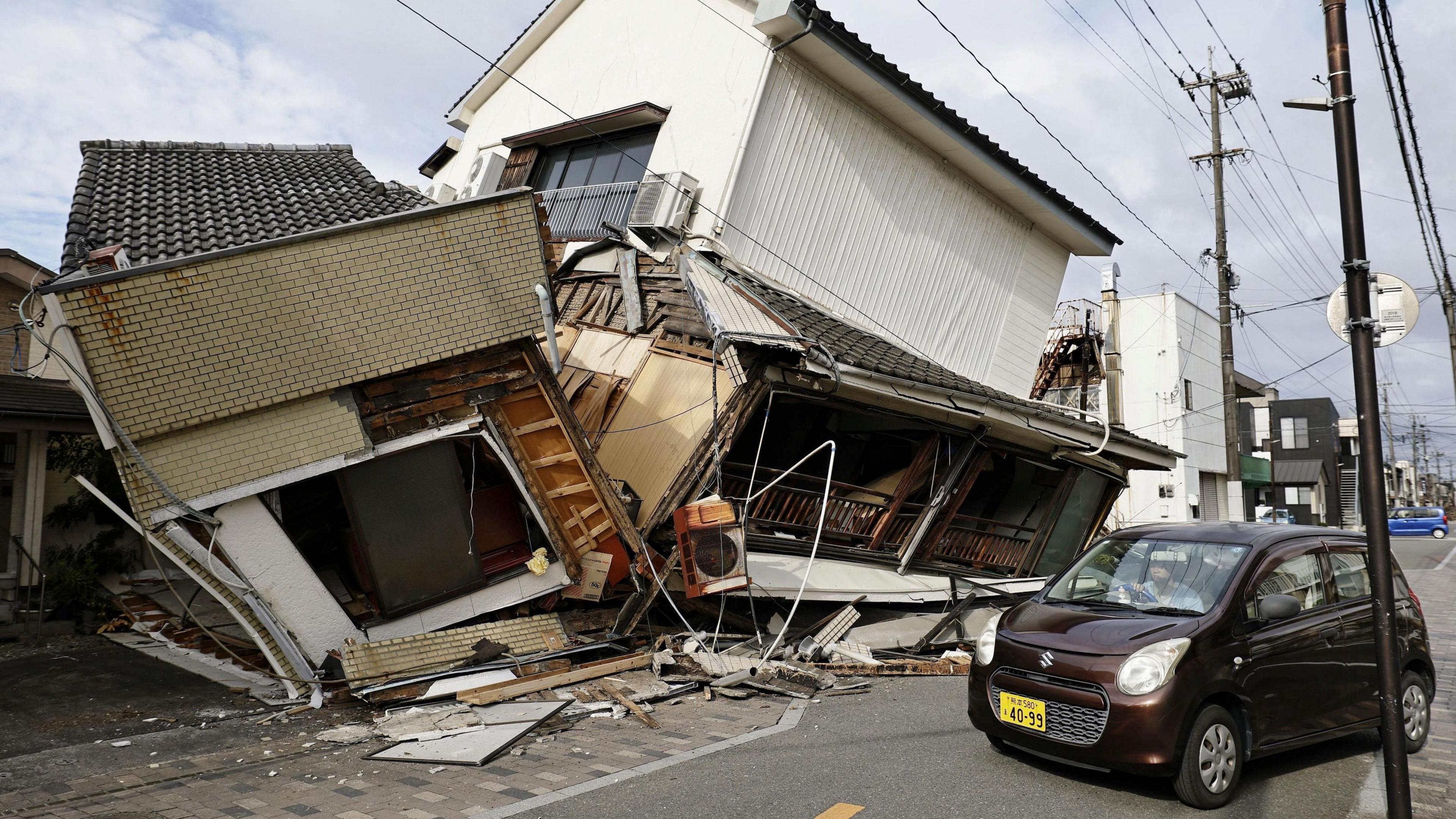
On Tuesday, a 6.8‑meter earthquake struck the Kumamoto prefecture in southwestern Japan, tearing through a downtown bakery, smashing ceramics, and shaking buildings to the ground.
The dumpling‑filled kitchen of Sendan Shokudo was hit in the middle of a lunch rush. 75‑year‑old co‑owner Hiroko Ogata, who had just come in, ran under a table when the floor lurched to left and then right so fast that she nearly ran out. “I was surprised and scared. I went under one of the tables, but it moved sharply left and right with me,” she told the BBC.
Hiroko grew up in Yatsushiro, a town you rarely hear about except during earthquakes. The 2016 quake series that killed 277 people and injured thousands still lingers in its memory. “The last quake 10 years ago was nothing like this one,” she said. “I thought I would die.”
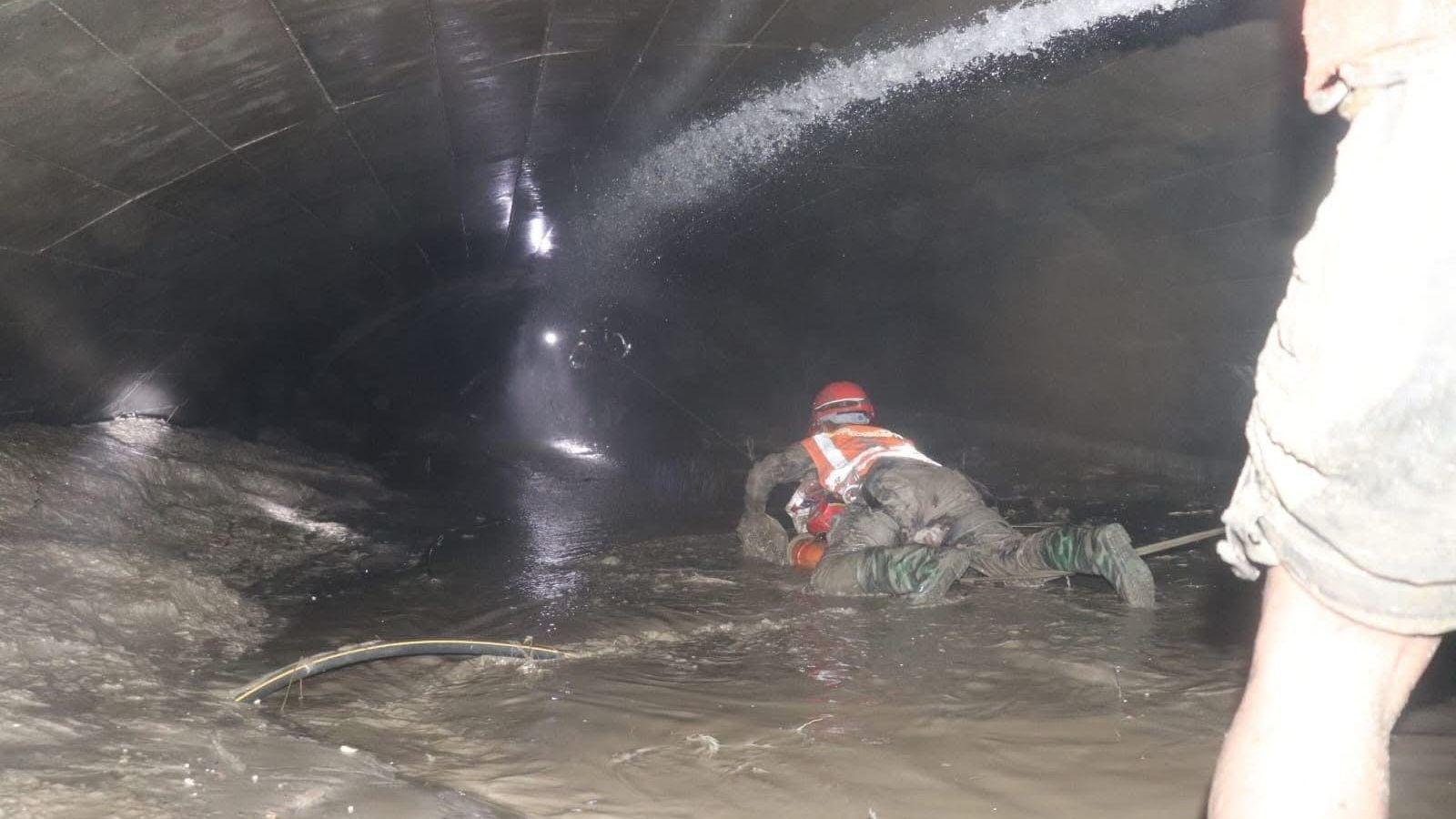
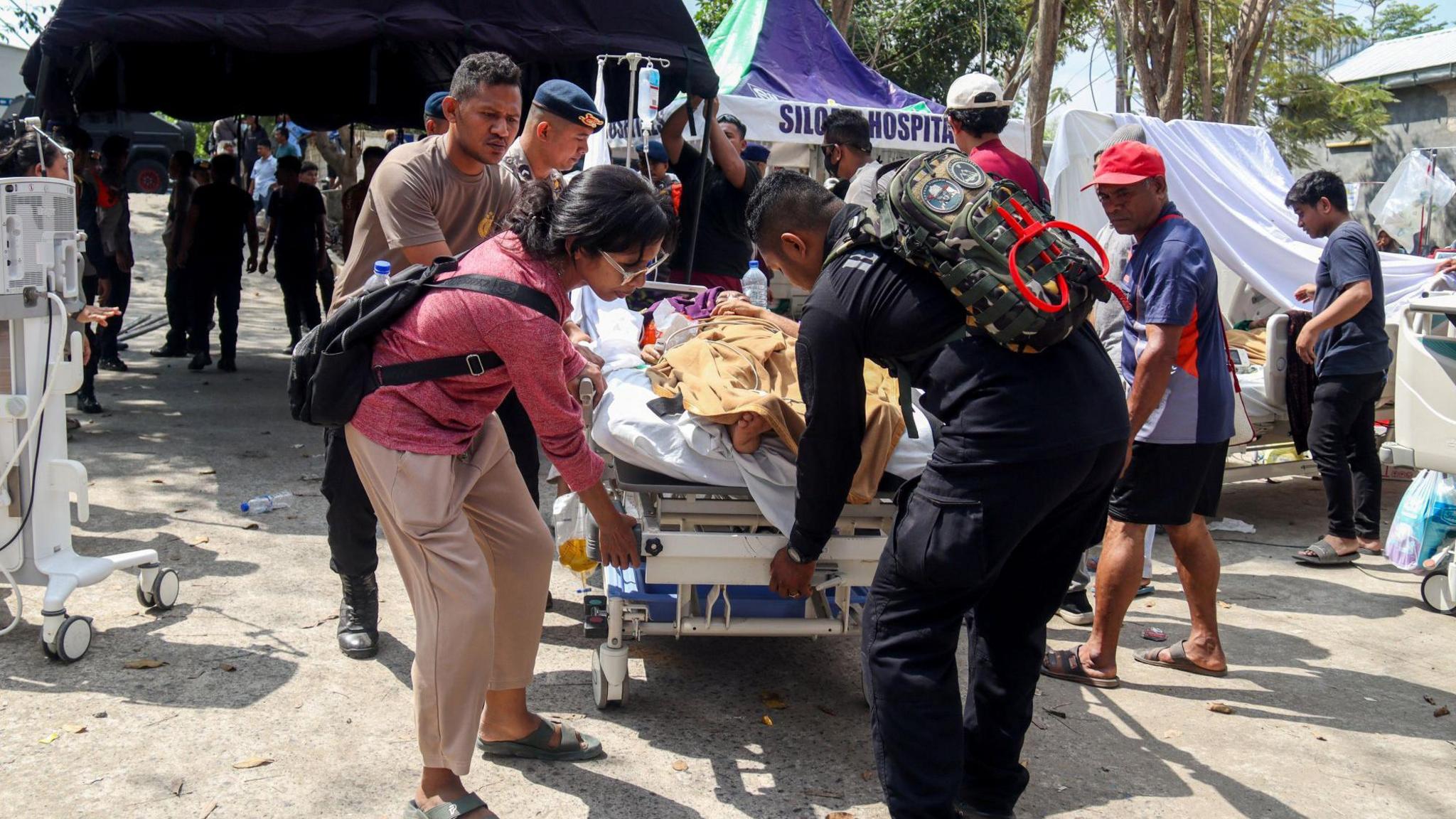
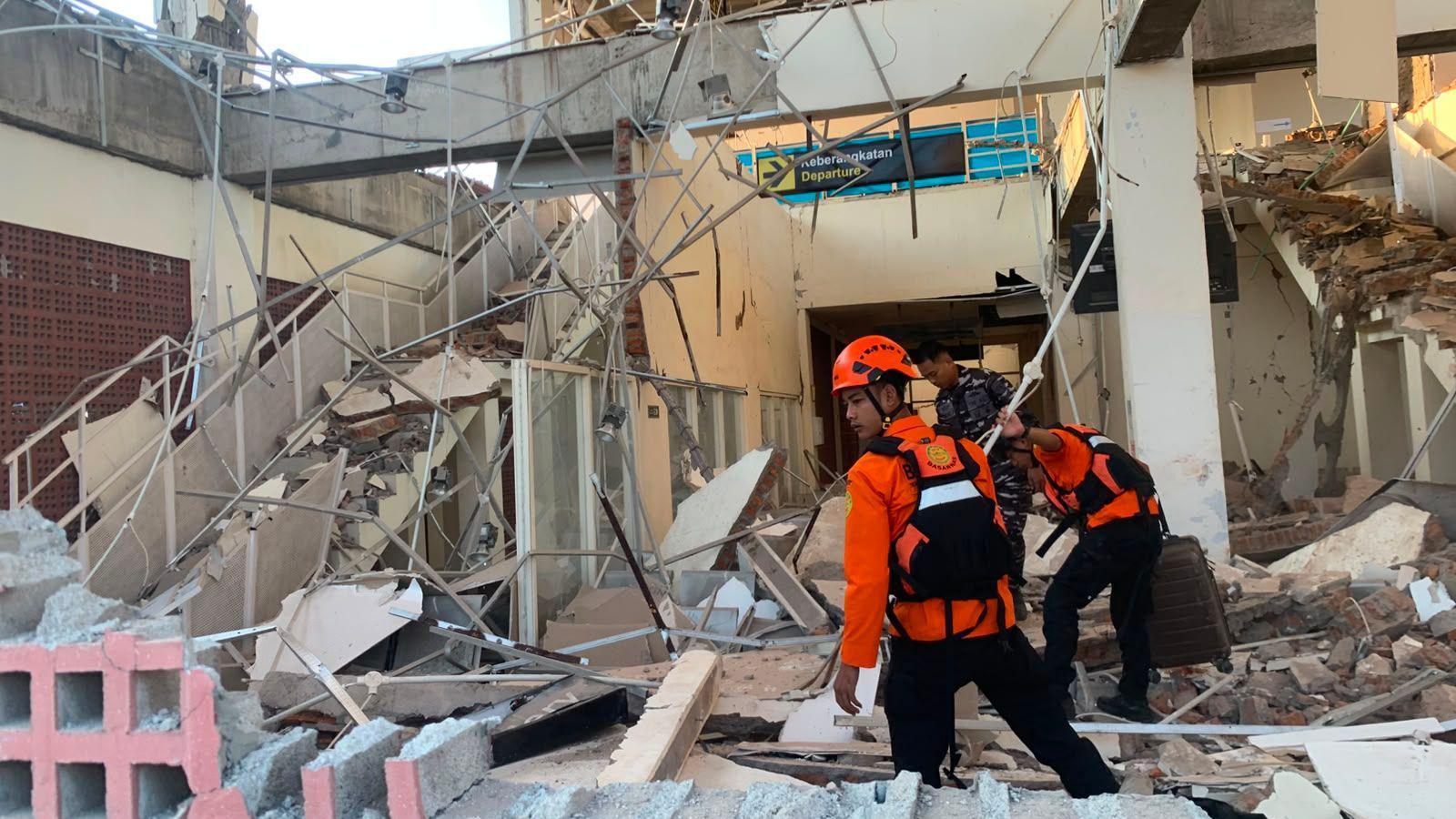
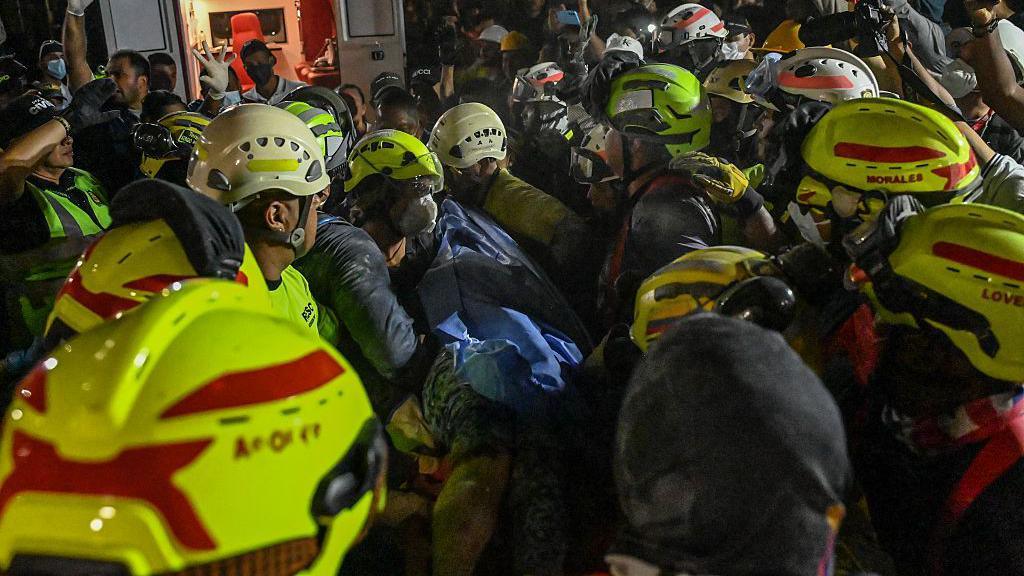
The impact is widespread. At least 13 people have died, including three who were trapped inside the Aeon shopping mall in Kumamoto city. Rescue teams, lining up in the rubble, have been calling for volunteers as the city’s prime minister urges a ‘race against time.’
One local, Yui—now a cake shop owner—was in her back office when the ground shuddered. “I couldn’t tell which was the sound of the earthquake and which was an explosion,” she said, holding her chair as repeated jolts shook the building. Yui says she has yet to see if the oven and mixers still work.
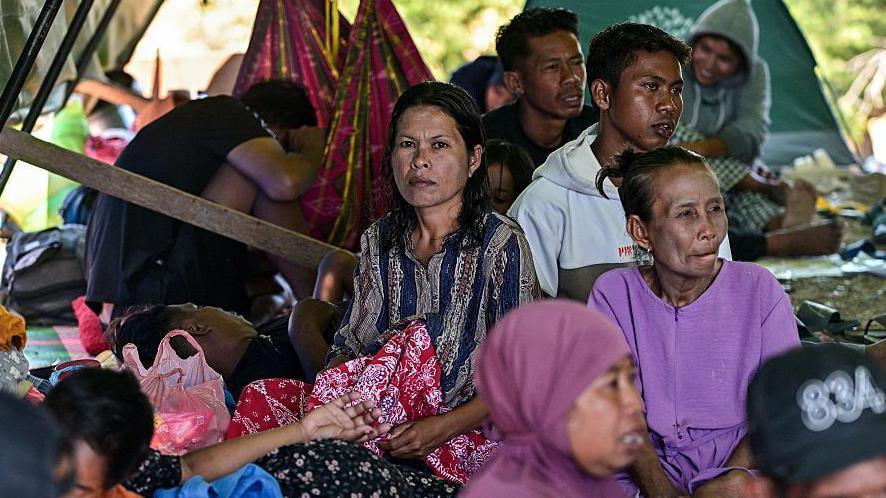
Residents speak of a scramble for supplies. Michal Posan, who had lived in Kumamoto for two years, reports “no water or food left in the stores.” She says her home was hit by falling tiles and cracked roads.
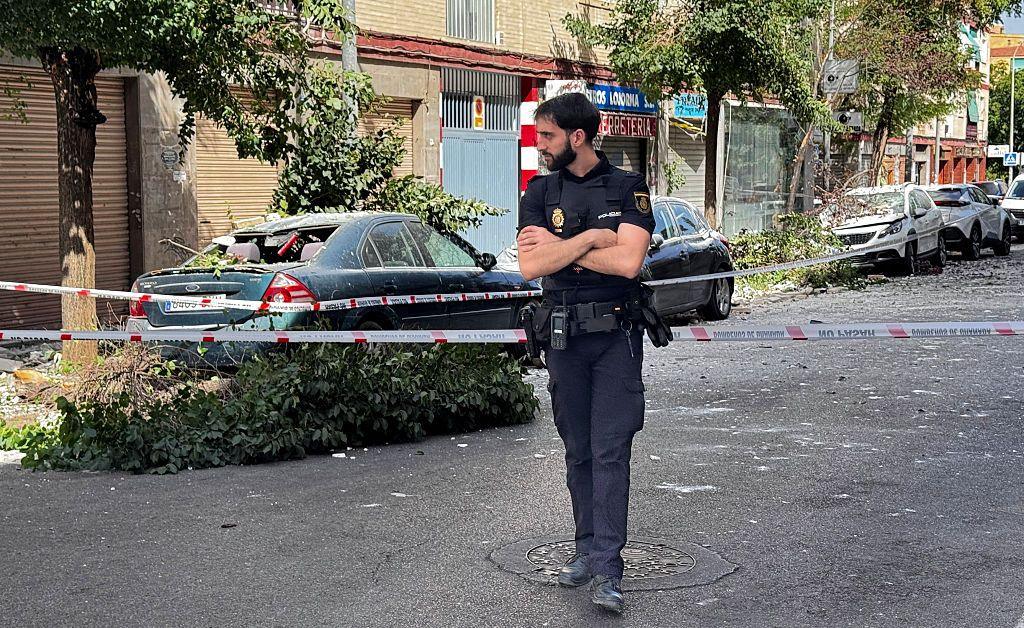
Emergency crews have activated 4,600 personnel to assess damage, but power and water outages remain, as medical facilities suffer up to 45 building hits. The 17th‑century Kumamoto Castle has toppled portions of its walls, leaving dust clouds across the city center, and a 19th‑century shrine collapsed completely.
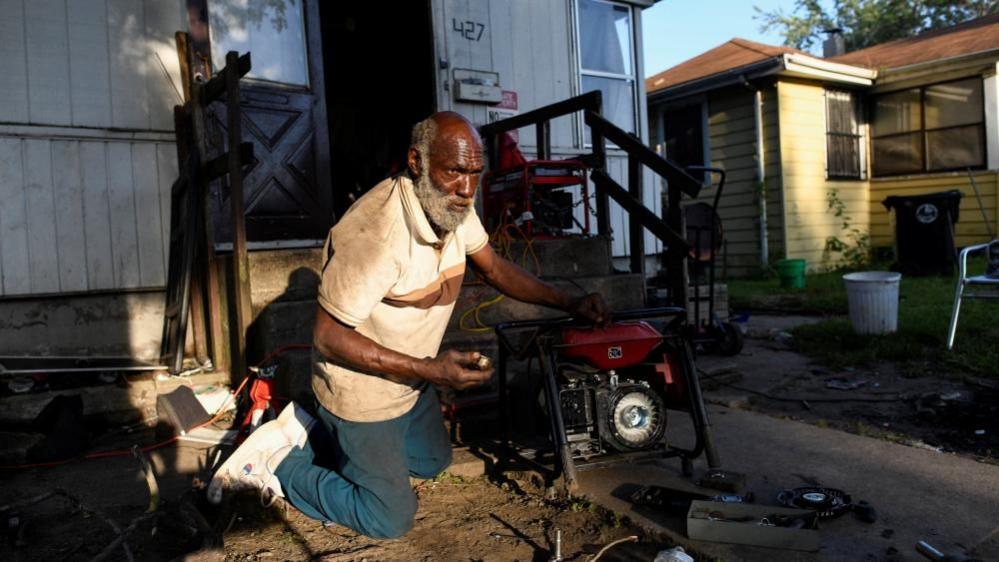
Even as rescue operations continue, the fear of another big quake lingers. Meteorologist Shinji Kiyomoto urges the public to remain vigilant, recalling the 2016 double‑day earthquakes. Residents, such as Hiroko and Yui, carry on, cleaning up mess, repairing or inspecting machinery, and trying to open businesses amid unpredictable aftershocks, while the city inches toward hopeful recovery and the slow homecoming of normal life.