Kingsport nestles in the Appalachian foothills of Tennessee, a town that has grown around a long‑running ammunition factory that supplies explosives for U.S. forces worldwide. The plant’s presence has kept jobs and bolstered a Republican‑leaning electorate that, for decades, has championed the GOP, even as it faces economic pressures and a war‑fatigue mood among voters.
In the latest election cycle, many people still say they are ready to vote Republican, but that allegiance is being tested by a newer debate: the United States’ stance on Iran. Some residents feel that the country’s policy is justified and needed to protect national security, while others are wary of the economic and diplomatic costs of tougher sanctions.
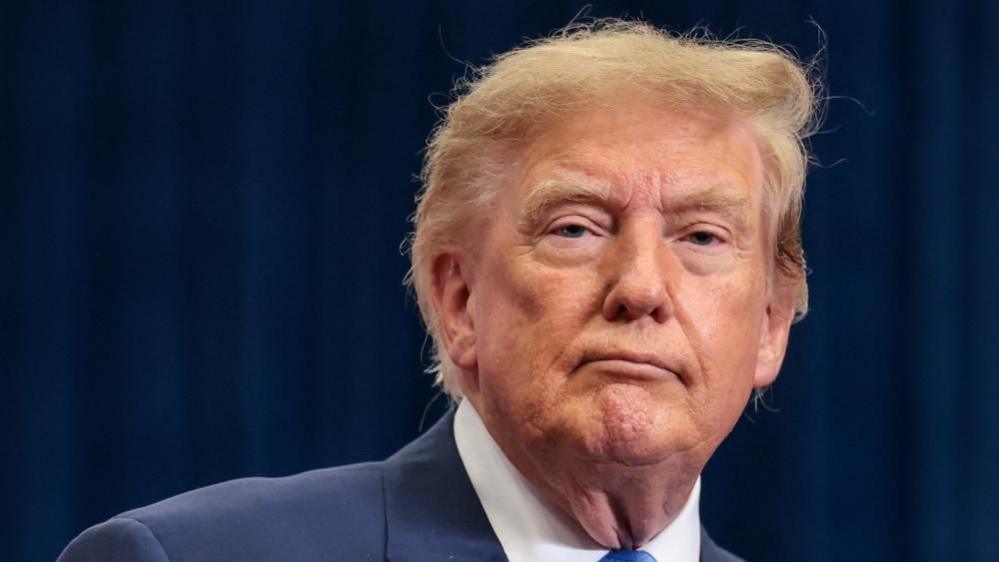
The tension is visible outside the plant’s gates. Voices echo both support for Donald Trump’s hard‑line foreign policy and concern about the future of local industry. The townspeople engage in debates that place the Republic's economic needs and the settlement of a global policy battle side by side—quite literally, as the town stands between the timber of Appalachia and the cables that pull the global political web together.
The result is a community that is deeply committed to its political orientation yet has a fragmented view on one of the hottest foreign policy issues today. Recent votes show that while Trump remains a rallying symbol, the national conversation on Iran is carving a fissure in the town’s shared narrative about loyalty and duty.