Killing of Anti‑Migrant Leader in South Africa Sparks Police Investigation
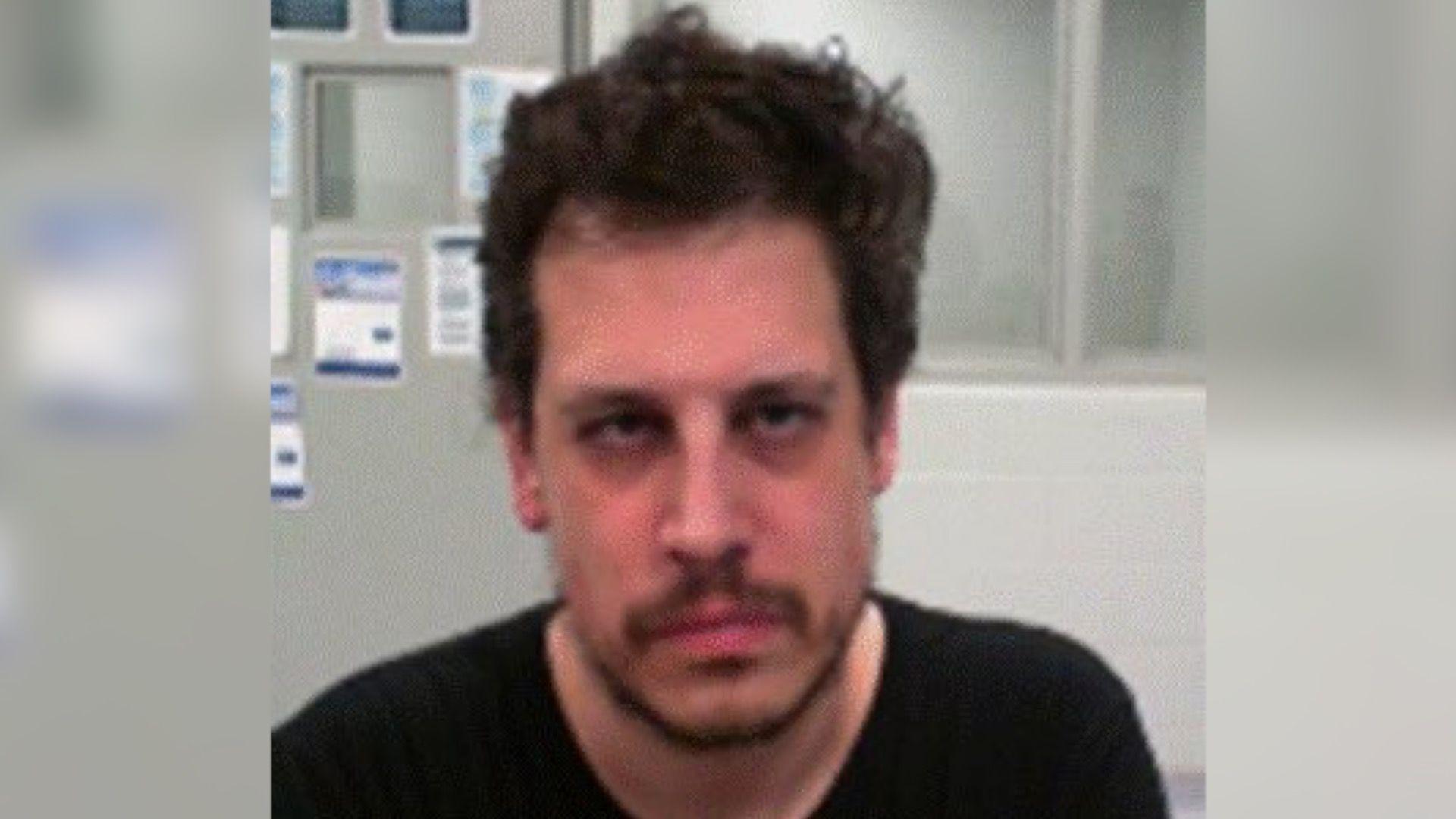
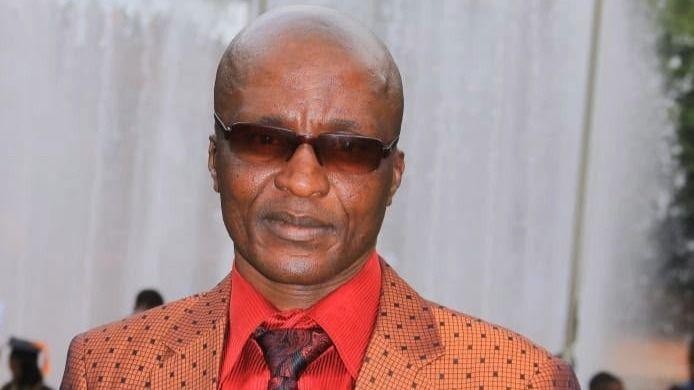
A special police team has been tasked with investigating the murder of Andile Mvuyelwa Somgxada, the Gauteng province leader of the anti‑migrant movement March and March. He was shot outside his house in eastern Johannesburg in early July and died several days later in hospital.
“It is a retaliation,” March and March spokesperson Sandile Dube told the BBC, explaining that the group believed Somgxada was targeted for its campaign urging undocumented migrants to leave the country. Dube added that several other leaders had received death threats and that the movement had refused to accept any form of violence.
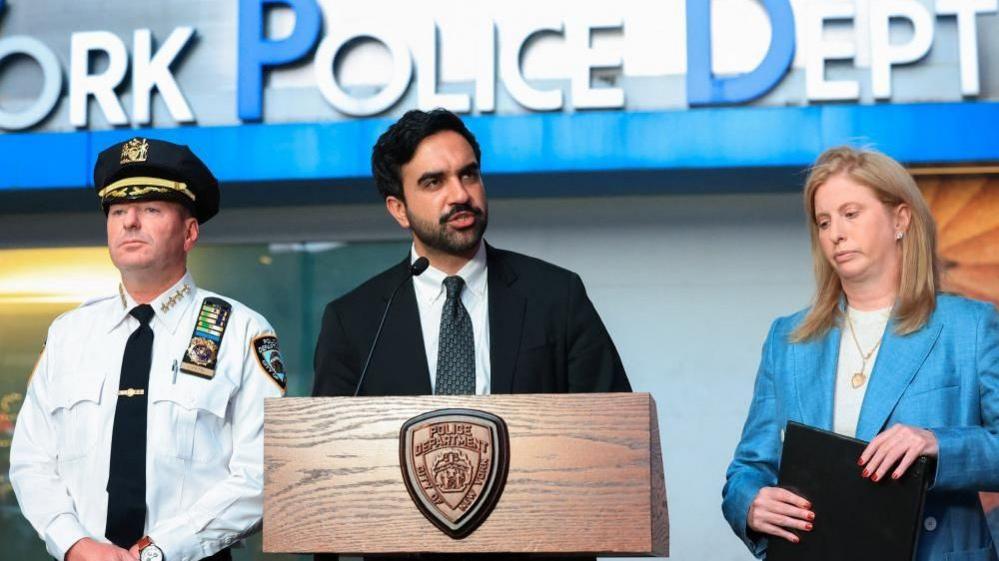
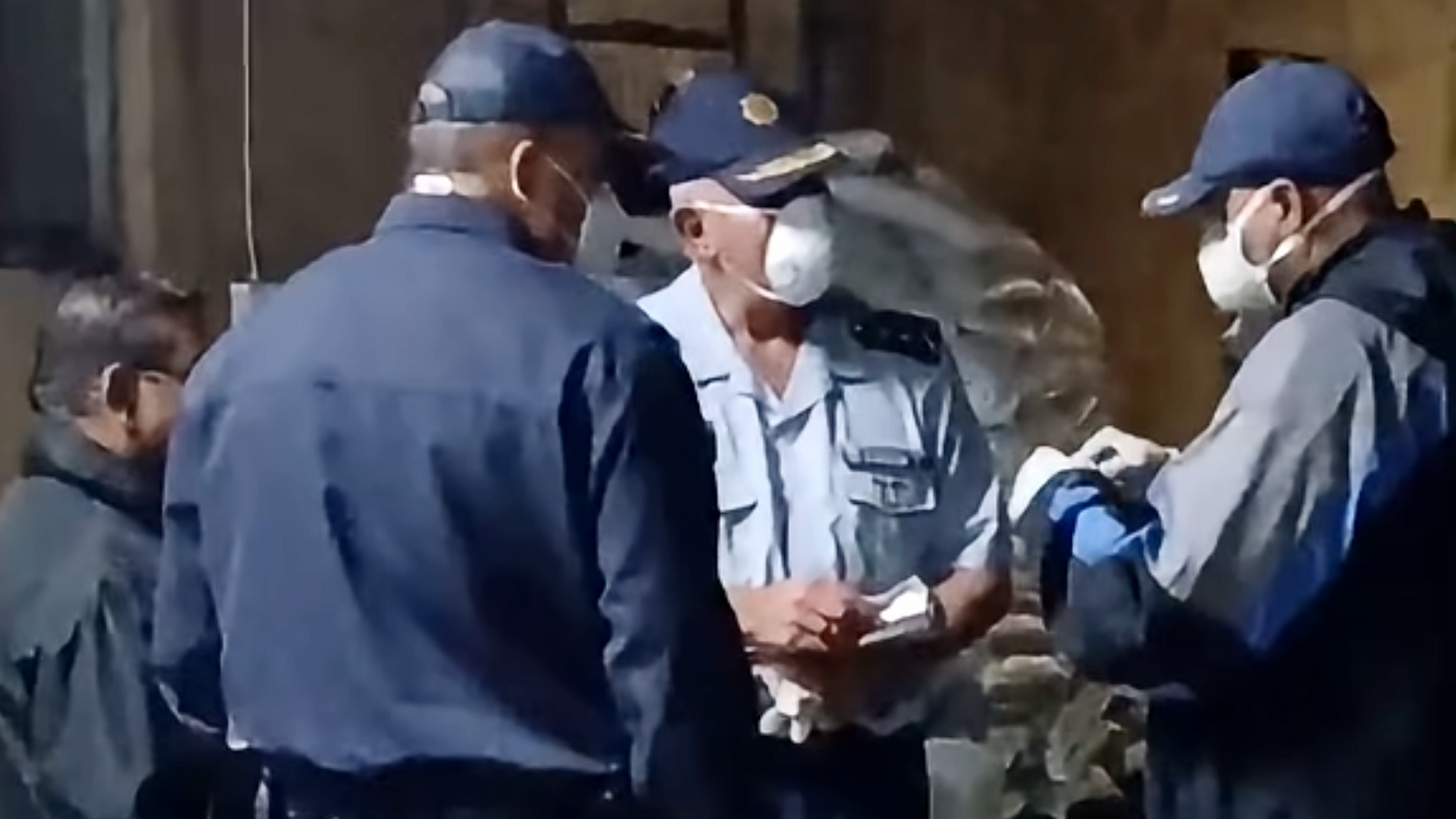
Acting Police Commissioner Lt Gen Puleng Dimpane announced a multidisciplinary unit to probe the shooting, underscoring the seriousness with which the service treats the case. In a statement, Dimpane said: We are committed to conduct a thorough investigation to establish the circumstances surrounding this murder and to ensure accountability.
The killing comes amid a broader debate over migration in South Africa. The country has seen widespread protests accusing undocumented migrants of straining public services and being linked to crime. March and March set an unofficial deadline of 30 June for all migrants without papers to leave the country, promising weekly marches if their demands were unmet.
Since launching a “migration management” campaign five weeks ago, the government reports that over 53,000 foreign nationals have been deported or repatriated. In recent weeks, several African countries, including Nigeria, Ghana and Uganda, have organised flights or buses for their citizens to return home.
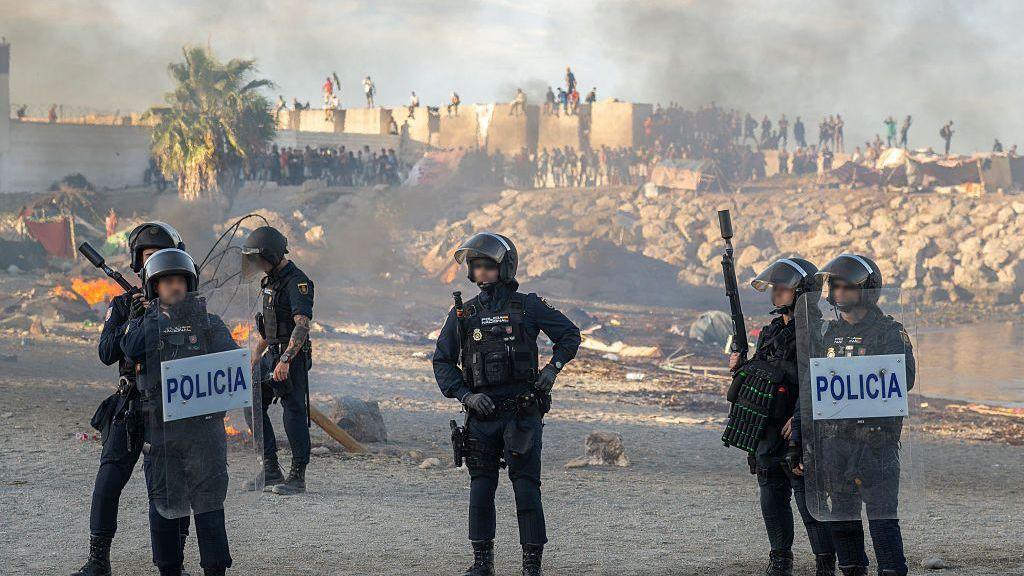
Lt Gen Dimpane warned that anyone who “continues to intimidate, harass and perpetrate violence against foreign nationals” would face serious consequences. “The law applies equally to everyone,” she insisted, adding that no group has the authority to conduct immigration inspections or remove people from communities.
The death of Somgxada highlights the dangerous intersection of political activism, migration policy and national security. As South Africa faces growing xenophobia and heightened tensions between migrant communities and security forces, the investigation by police will be closely watched by activists, immigrants and government stakeholders alike.
For more detailed coverage of the incident and ongoing developments, read the full BBC News article or follow BBC Africa on social media.