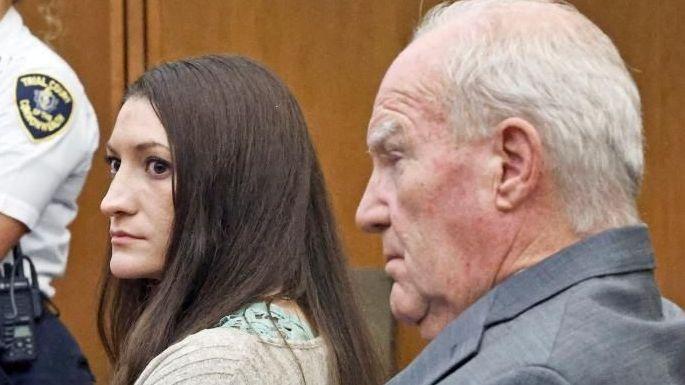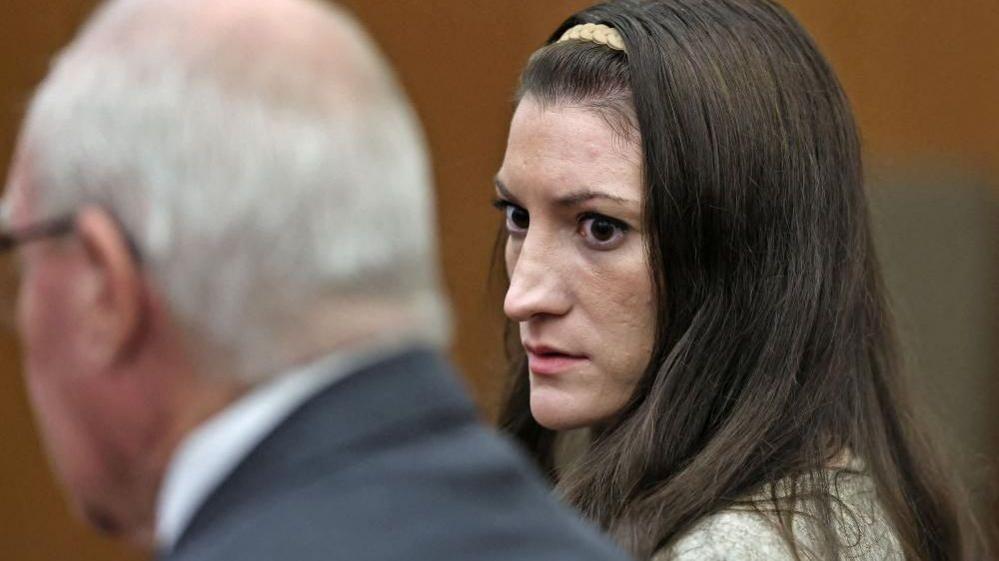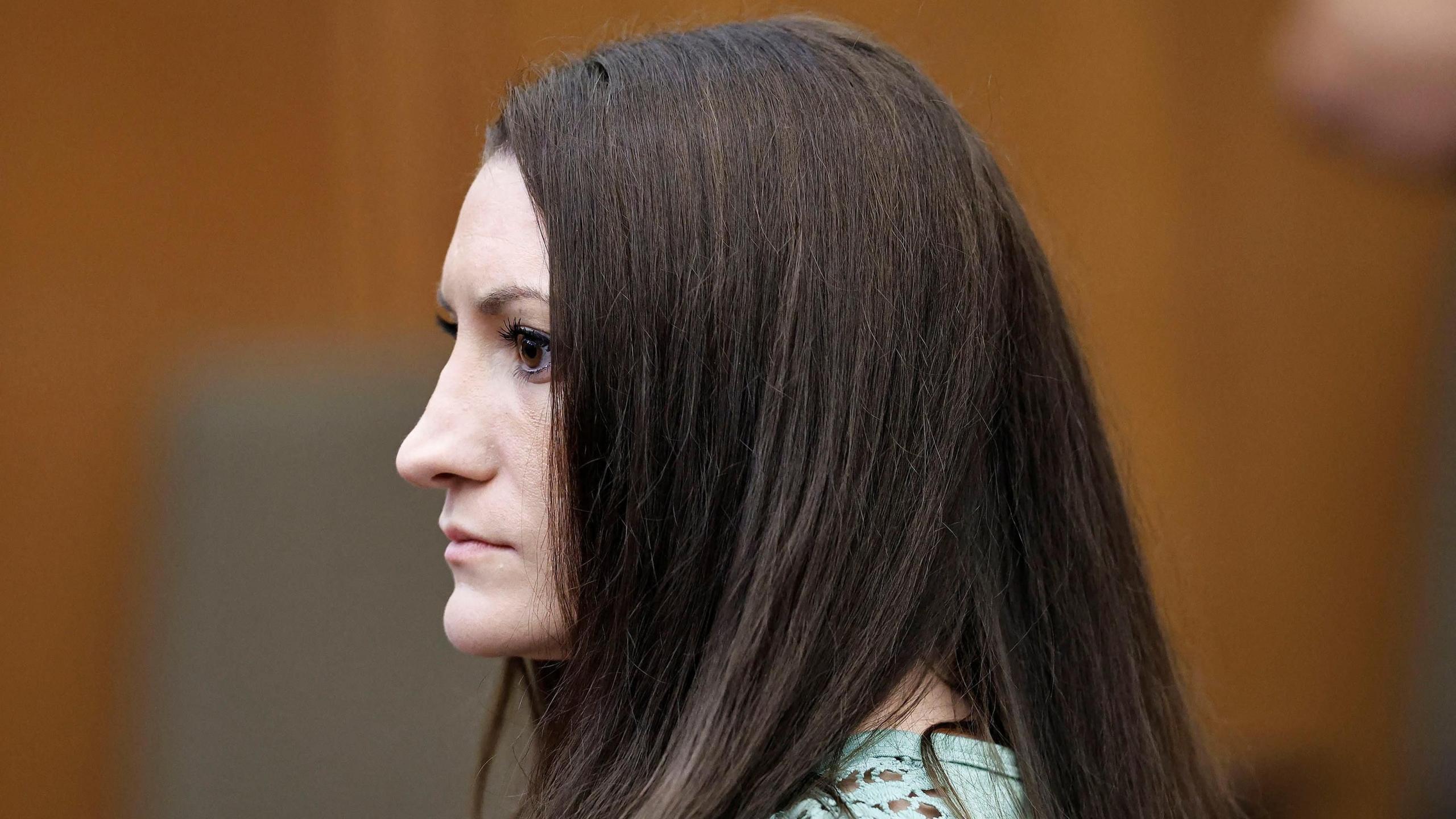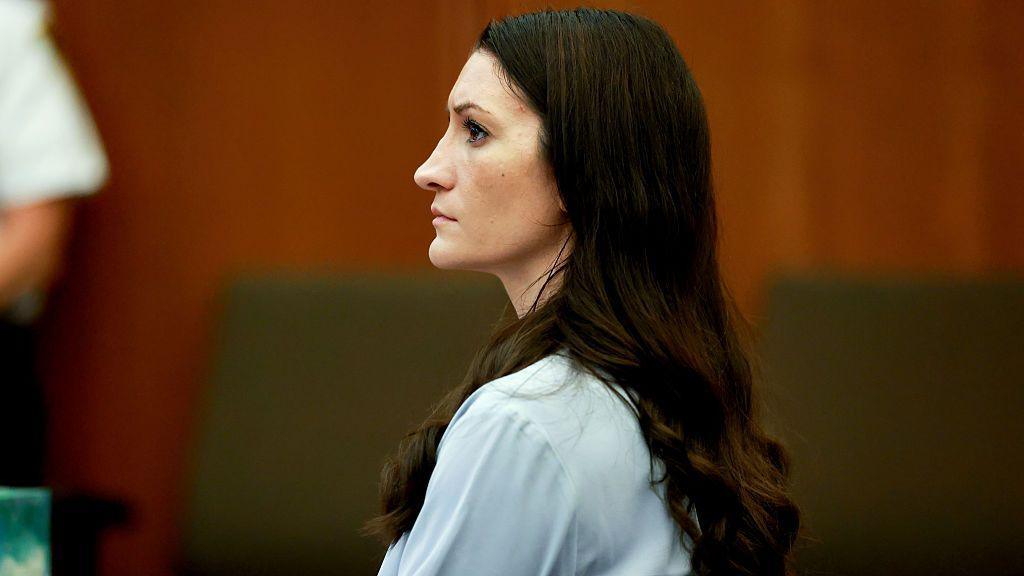
Closing arguments set to begin Thursday in the trial of Lindsay Clancy, a Massachusetts mother charged with murdering her three children.
Clancy, 36, has admitted to the killings but her lawyers argue she should not be held legally responsible because of severe mental illness.
She faces three counts of first‑degree murder, with a potential life sentence without parole if found guilty.
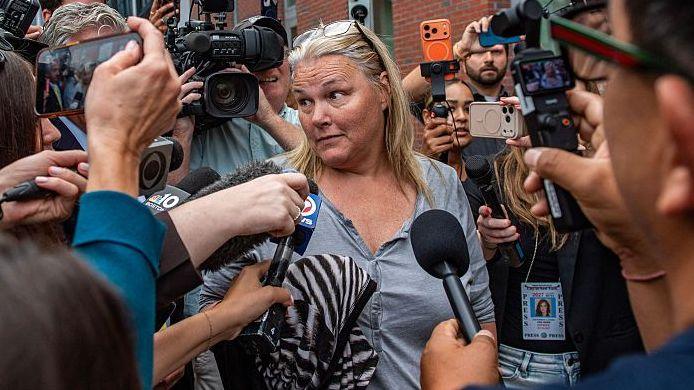
The five‑week trial has attracted thousands of viewers online and supporters wearing pink shirts with slogans such as "She Needed Help" outside the courthouse.
Allegations and Defense
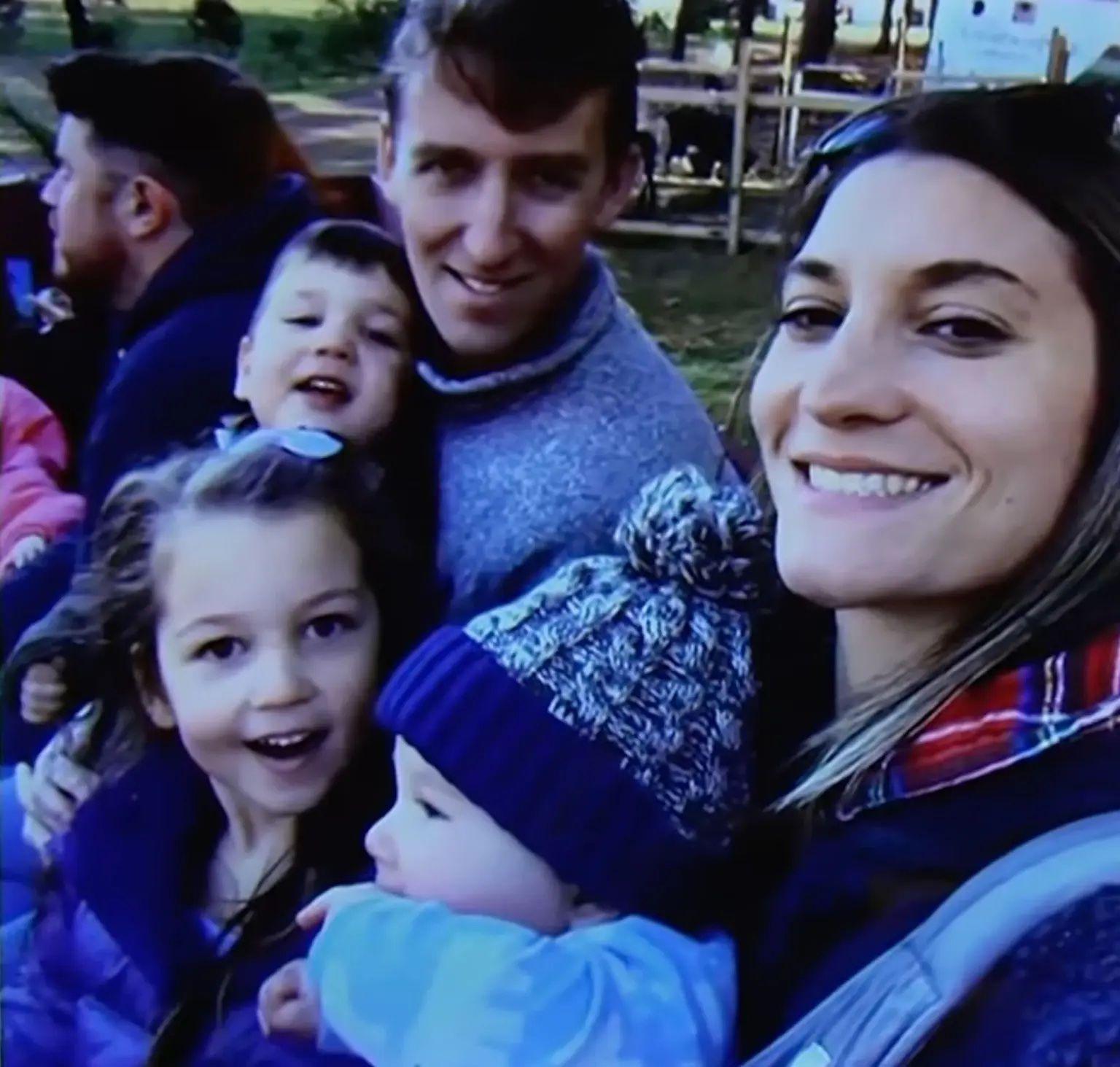
Prosecutors allege that on 24 January 2023, Clancy strangled her children—Cora, 5, Dawson, 3, and Callan, eight months—using fitness bands at her Duxbury home before jumping from a second‑floor window, a fall that left her paralyzed and now requires a wheelchair for court appearances.
Clancy’s defenders maintain she was suffering from postpartum psychosis: hallucinations and delusions after the birth of her youngest child, and she had been admitted to a psychiatric hospital just days before the murders.
During testimony, her ex‑husband Patrick Clancy described the day the children’s bodies were found, recounting a frantic 911 call where he screamed, "She killed the kids".
The defense also highlighted expert witnesses arguing Clancy’s manic episodes included pressured speech, a sign of mania, while prosecutors claimed no serious risk of harm.
Family Testimony
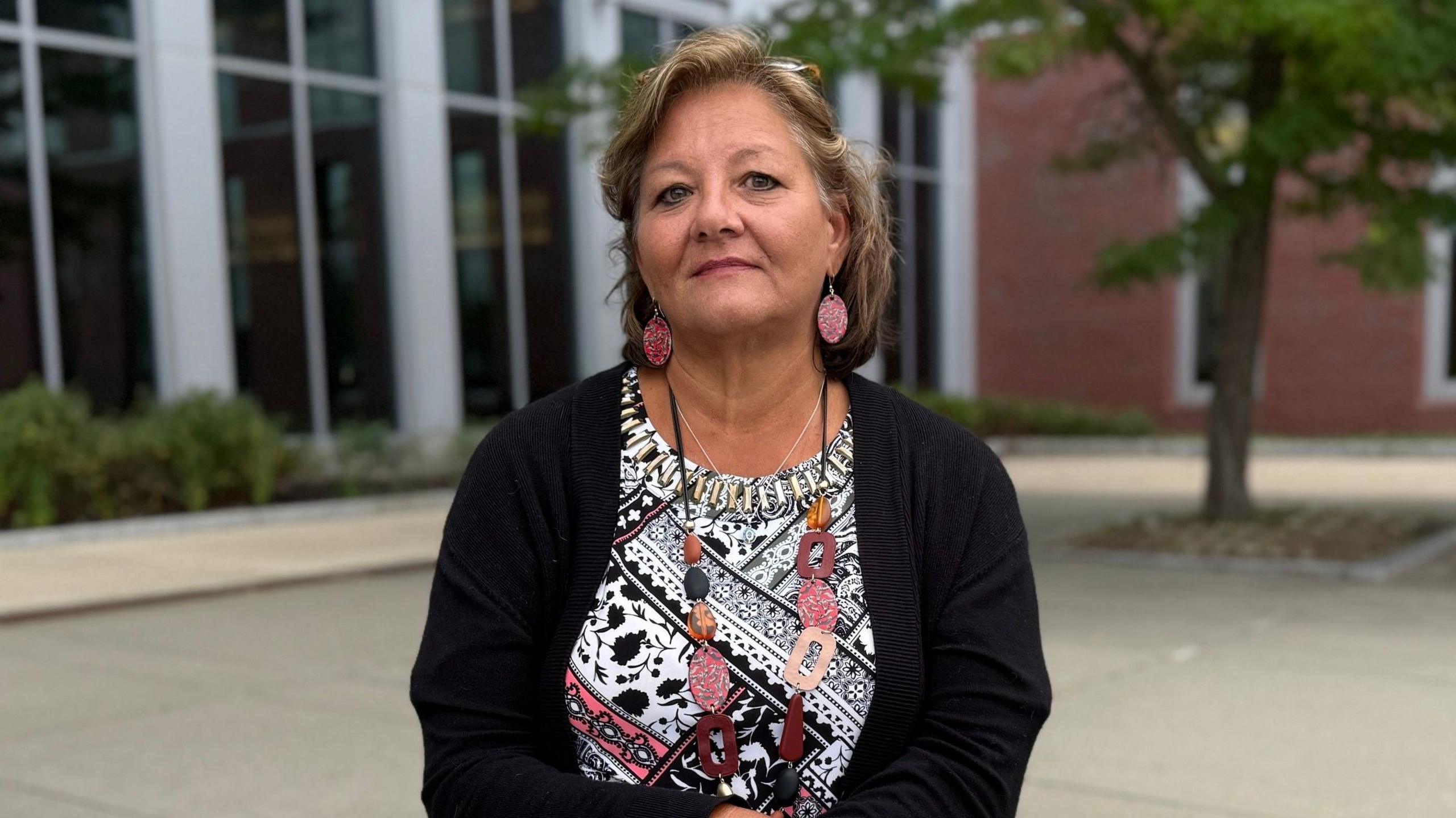
Lindsay’s mother‑in‑law, former mother, and sister testified about her decline in mental health and suicidal thoughts leading up to the murders.
Patrick Clancy said she began to lose weight, felt deeply depressed, and even contemplated harming her children, a month before the killings.
Spouses and relatives described her insomnia, appetite loss, anxiety, and a growing belief that her medications were damaging her mind.
Her mother, Paula Musgrove, noted that Lindsay told her she was troubled and in danger of harming her own children.
Legal and Religious Controversy
Defense requested a mistrial after prosecutors probed Clancy’s Catholic faith, asking whether murder was a mortal sin. Judge William Sullivan ignored the request, telling jurors to disregard the testimony as "absolutely inappropriate."
Key Moments
Over the course of the trial, the jury heard over ten expert witnesses, some of whom clashed with lawyers regarding Clancy’s mental state and the legitimacy of postpartum psychosis as a diagnosis.
Experts like psychiatrist Jennifer Tufts testified that Clancy showed no hallmark signs of psychosis, a claim her defense attorney contested by dissecting her medical records.
Another psychiatrist, Avram Mack, was cross‑examined about the status of postpartum psychosis as a recognized diagnosis; his ambiguous answers intensified the struggle between defense and prosecution.
This ongoing trial continues to unfold with a mix of courtroom drama, expert testimony, and public scrutiny, framing a debate over criminal accountability against severe mental illness.