
In brief
In a razor‑thin runoff held June 7, Keiko Fujimori emerged as Peru’s new president, winning 50.135% of votes to Roberto Sánchez’s 49.865%. The former political hopeful, daughter of ex‑President Alberto Fujimori, pledges a crackdown on organised crime and invites dialogue during her transition. Sánchez has challenged the result, alleging irregularities abroad. The election signals a right‑wing tilt in Latin American politics, following similar gains in neighboring Colombia.
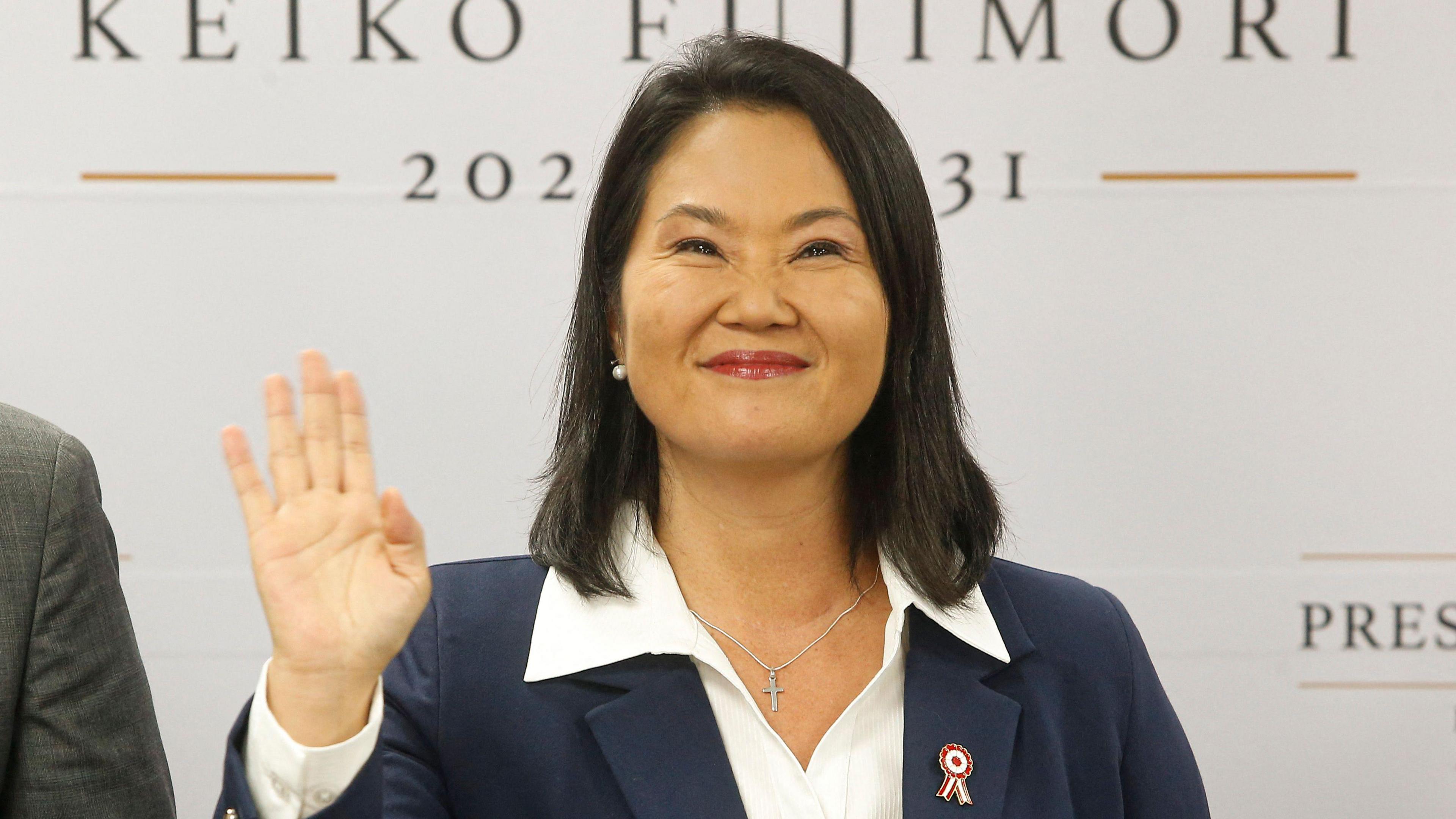
Keiko Fujimori declared winner of Peru's presidential election weeks after vote
In a narrow runoff on 7 June, Peru’s 51‑year‑old Keiko Fujimori secured 50.135% of the vote, taking the presidency by a margin of less than 50,000 votes over left‑wing challenger Roberto Sánchez, who garnered 49.865%.
Fujimori, the third daughter of disgraced former president Alberto Fujimori, has campaigned on a platform of a hard‑line crackdown on organised crime, citing rising extortion incidents. She also promised to attract private investment and to remove undocumented immigrants who commit crimes.
Following the announcement, Sánchez has alleged serious irregularities in the runoff, especially from Peruvian diaspora, and is appealing to the electoral court to nullify the results.
The new election adds to a pattern of right‑wing leaders coming to power across Latin America, including Colombia’s president‑elect Abelardo de la Espriella and El Salvador’s Nayib Bukele.
Fujimori will assume office on 28 July, becoming Peru’s ninth president in a decade and the latest in a regional shift toward conservative governance.



