Background
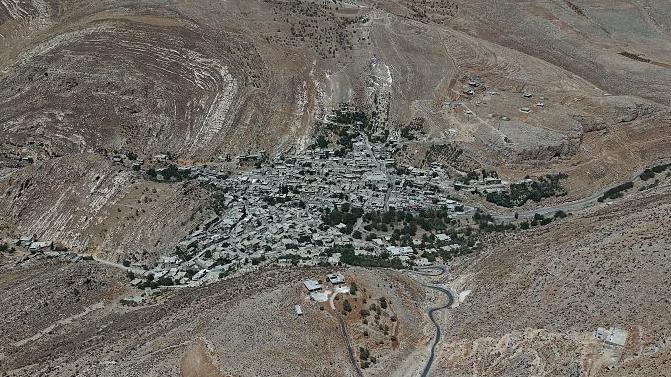
Kadim, a small enclave on a hilltop outside the Palestinian city of Jenin, was evacuated in 2005 by the previous Israeli government as part of the unilateral Disengagement Plan. For two decades the site sat empty while tensions between Israelis and Palestinians simmered nearby.
Government policy
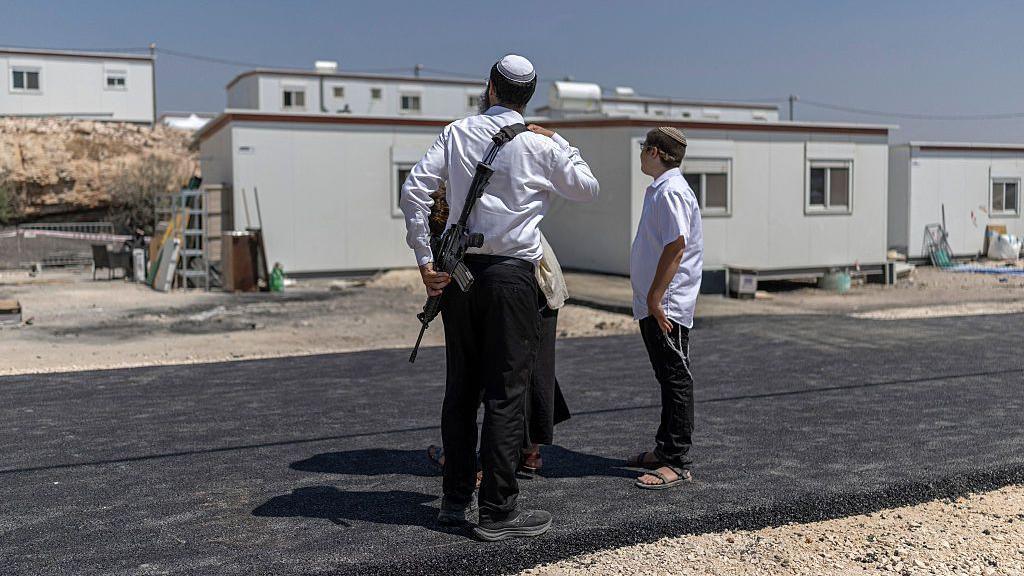
The current far‑right coalition has lifted the 20‑year ban on Jewish settlement in the area, a move endorsed by Finance Minister Bezalel Smotrich. On Thursday, seventy‑odd “pioneer families” arrived under military escort, dragging trailers laden with bedding, furniture and building materials. Smotrich declared the return a “correction of a crime” committed against Zionist settlers, using the biblical term *Samaria* to allude to the northern West Bank.
Palestinian perspective
Local residents, such as a 53‑year‑old vegetable farmer who grew up in the house he was born, describe a shift from a period of peaceful coexistence to a climate of fear. He told reporters:
"I watched Kadim built, then watch it emptied. Now I see settlers returning, and I fear the events spreading. They drive the kids away, tell them they have no place here."
The Palestinian Authority’s Governor for Jenin, Kamal Abu al‑Rub, expressed concern that new settlements like Emek Dotan and the establishment of military bases near the refugee camp signal a planned division of the city, reminiscent of Hebron’s segregation.
International response
The reopening triggered protests around the world, with critics arguing that the settlement is illegal under the Fourth Geneva Convention and Israeli law. Human rights groups, such as Settlement Watch, warn that the rapid construction is part of a race to expand before the October elections.
An image taken on the day of the ceremony—showing a group of young men in blue and white flags, tanks in the background—captured the dramatic essence of the event and the tension that has been building for weeks.

Looking ahead
While families are being moved into white trailers and new roads are drafted, the risk of violence remains high. Reports of barbed wire and watchtowers emerging on Palestinian land highlight a tightening of control over Jenin and surrounding villages.
The international community watches closely as Israel pushes forward with its settlement agenda, and as Palestinians in Jenin adapt to the new reality. The way forward will likely hinge on diplomatic pressure, internal Israeli politics, and the persistence of grassroots resistance.